

系统工程与电子技术 ›› 2026, Vol. 48 ›› Issue (4): 1154-1164.doi: 10.12305/j.issn.1001-506X.2026.04.06
• 传感器与信号处理 • 上一篇
李鑫晟1( ), 冯书谊2, 郝禹哲1, 叶曦2, 张海超2, 李元祥1,*()
收稿日期:2025-02-13
修回日期:2025-05-19
接受日期:2026-03-02
出版日期:2026-03-19
发布日期:2026-03-19
通讯作者:
李元祥
E-mail:lxs1176639444@qq.com;yuanxli@sjtu.edu.cn
作者简介:李鑫晟(1999—),男,硕士研究生,主要研究方向为多目标数据关联与融合基金资助:
Xinsheng LI1(), Shuyi FENG2, Yuzhe HAO1, Xi YE2, Haichao ZHANG2, Yuanxiang LI1,*()
Received:2025-02-13
Revised:2025-05-19
Accepted:2026-03-02
Online:2026-03-19
Published:2026-03-19
Contact:
Yuanxiang LI
E-mail:lxs1176639444@qq.com;yuanxli@sjtu.edu.cn
摘要:
针对多传感器数据的舰船航迹关联与融合问题,利用电子侦察、微波雷达和合成孔径雷达等卫星遥感数据,提出一种结合GMN与Transformer架构的解决方案。通过双图建模框架和跨图卷积网络,捕捉多传感器数据间复杂关联,将目标关联问题转化为二次规划,并引入带权二分类交叉熵损失函数,有效降低误匹配率。在融合阶段,采用可学习的位置编码与滑动窗口技术,降低计算复杂度,解码器通过多头注意力机制强化时间依赖建模能力。实验结果表明,该方案在数据关联准确率及融合后航迹预测精度上显著优于传统方法,为多传感器数据关联与融合提供创新技术支持。
中图分类号:
李鑫晟, 冯书谊, 郝禹哲, 叶曦, 张海超, 李元祥. 基于多源卫星遥感数据的舰船航迹关联与融合[J]. 系统工程与电子技术, 2026, 48(4): 1154-1164.
Xinsheng LI, Shuyi FENG, Yuzhe HAO, Xi YE, Haichao ZHANG, Yuanxiang LI. Association and fusion of ship tracks based on multi-source satellite remote sensing data[J]. Systems Engineering and Electronics, 2026, 48(4): 1154-1164.
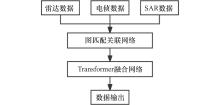
图1
算法整体流程"
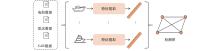
图2
检测图构建"
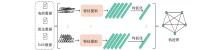
图3
轨迹图构建"
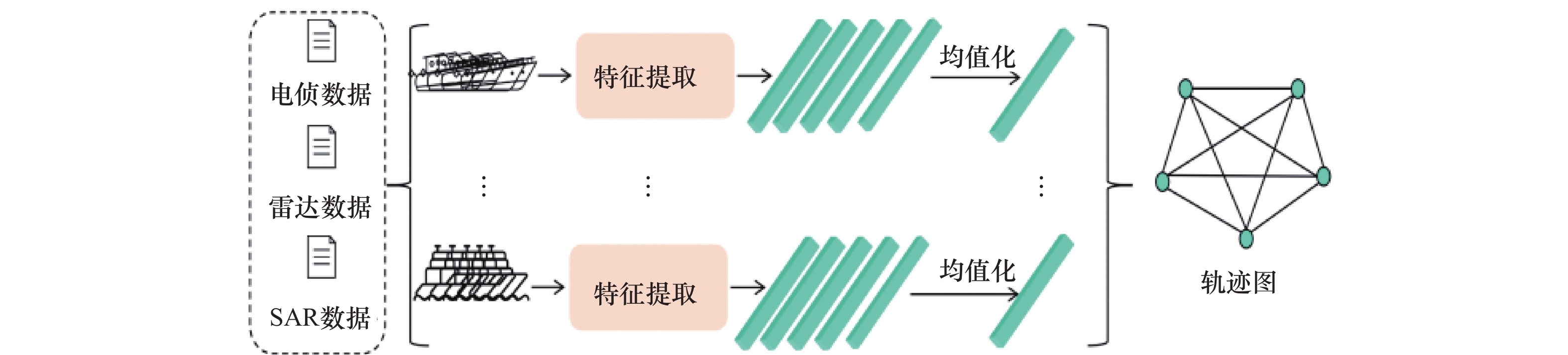
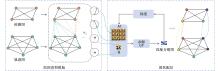
图4
GMN模型"
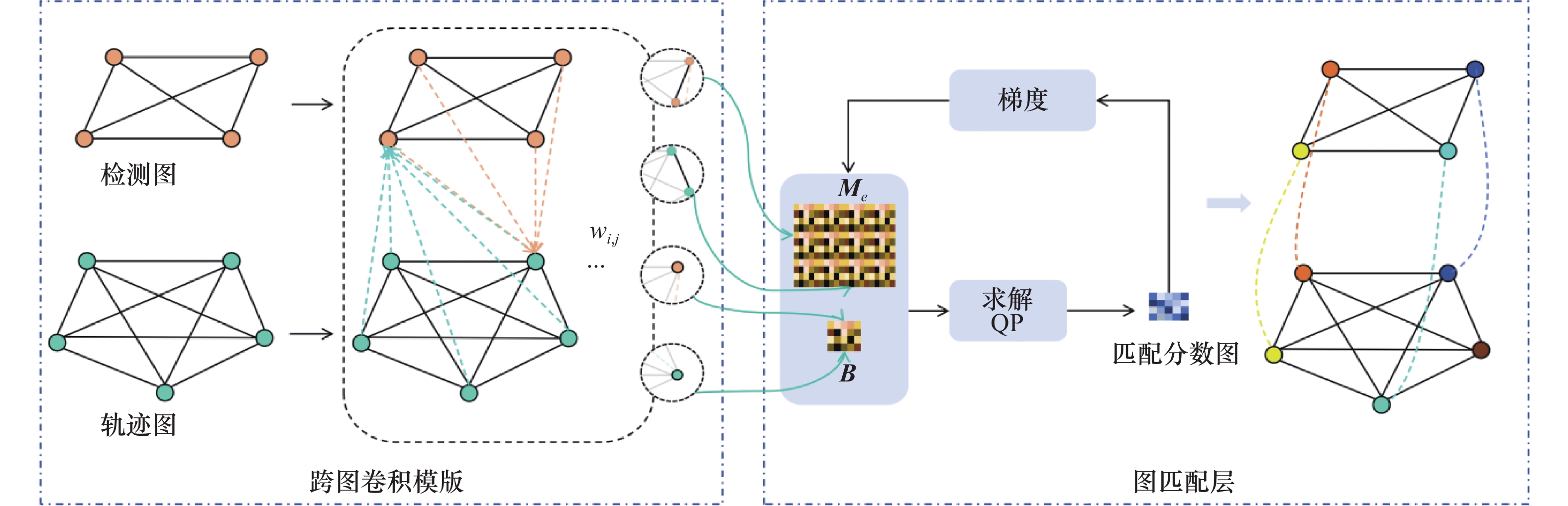
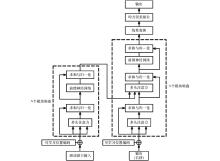
图5
Transformer融合模型"
表1
不同σ下不同算法的FTR"
| 算法 | σ | ||||
| 0.5 | 0.6 | 0.7 | 0.8 | 0.9 | |
| 模糊理论算法 | 13.3 | 14.8 | 22.5 | 11.1 | 12.4 |
| 混合序列相似度算法 | 11.8 | 10.3 | 9.7 | 8.5 | 8.7 |
| 文献[ | 11.2 | 8.62 | 7.54 | 7.27 | 7.66 |
| GMN算法 | 9.6 | 8.4 | 7.9 | 6.3 | 6.54 |
表2
不同σ下不同算法的TTR"
| 算法 | σ | ||||
| 0.5 | 0.6 | 0.7 | 0.8 | 0.9 | |
| 模糊理论算法 | 64.5 | 67.1 | 69.8 | 71.2 | 72.5 |
| 混合序列相似度算法 | 71.6 | 74.4 | 79.4 | 76.1 | 78.2 |
| 文献[ | 73.5 | 76.8 | 88.6 | 89.7 | 87.1 |
| GMN算法 | 76.8 | 82.3 | 87.7 | 90.2 | 88.6 |
表3
不同场景下不同算法的耗时"
| 算法 | 场景 | ||
| 5 km×5 km | 10 km×10 km | 20 km×20 km | |
| 模糊理论算法 | 12.5 | 6.8 | 5.4 |
| 混合序列相似度算法 | 9.7 | 6.3 | 4.6 |
| 文献[ | 8.23 | 5.78 | 4.01 |
| GMN算法 | 7.4 | 5.1 | 3.2 |
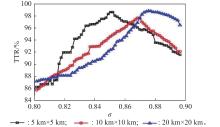
图6
不同阈值下的TTR曲线"
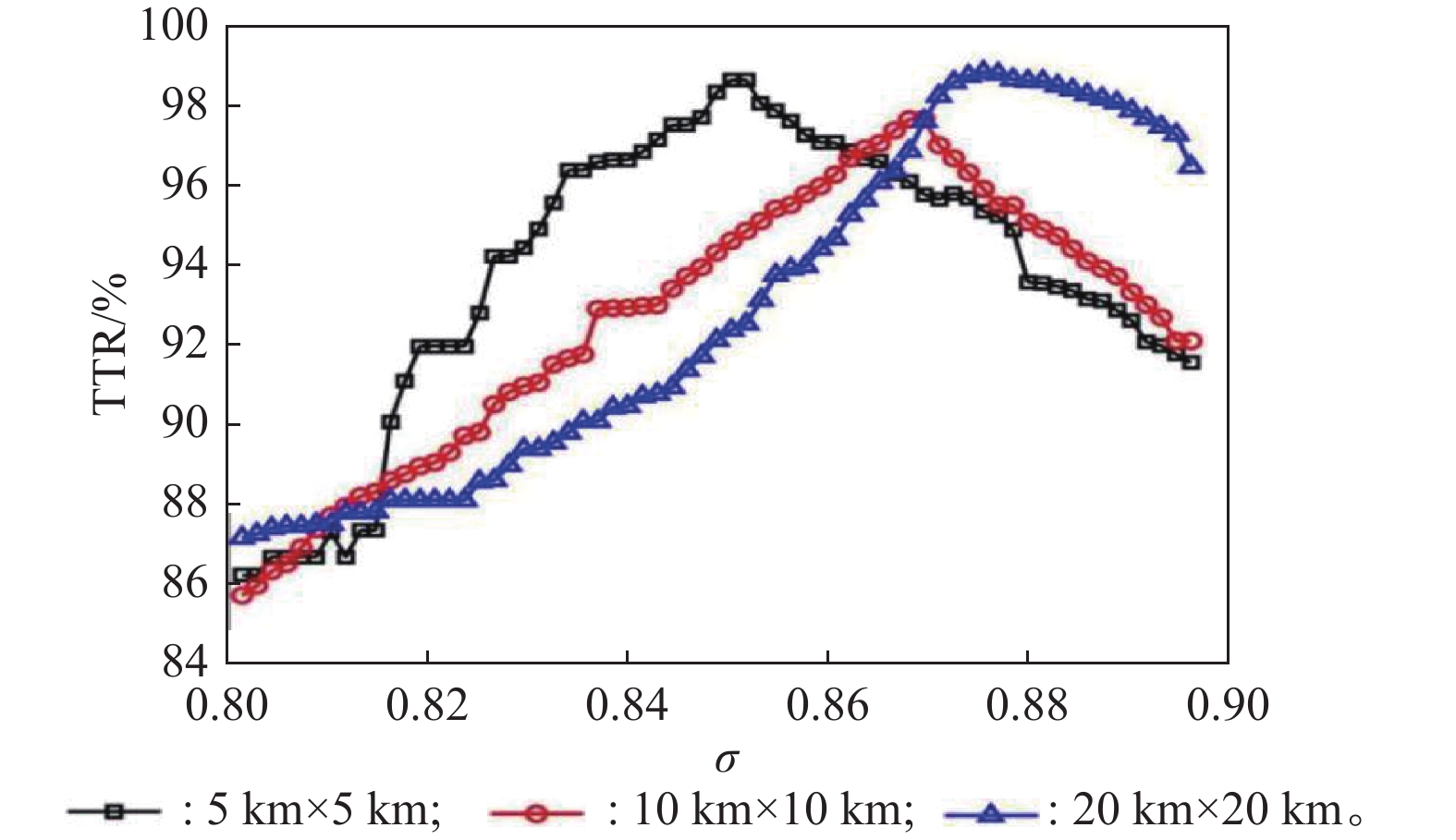
图7
不同阈值下的FTR曲线"
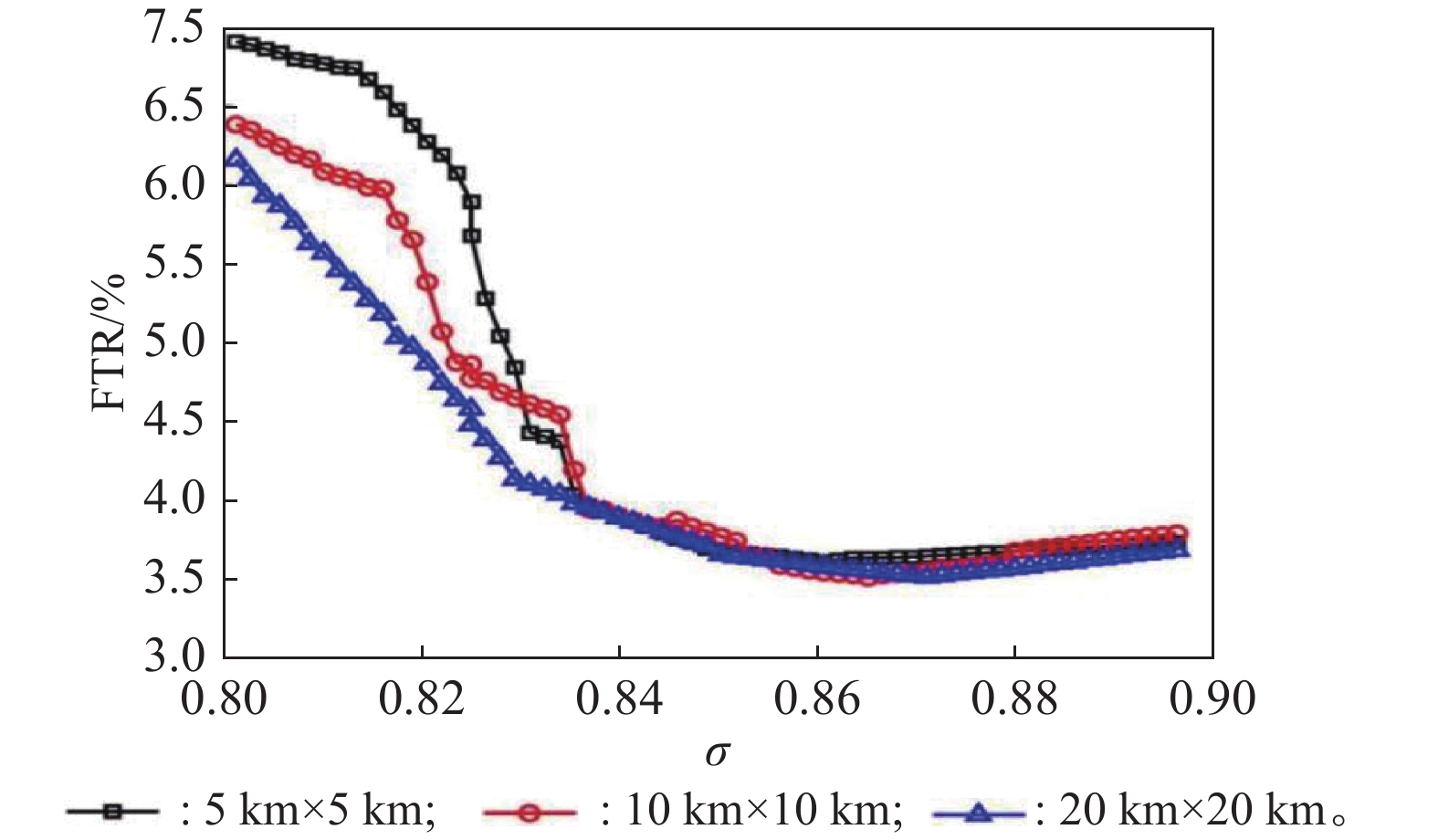
图8
舰船原始航迹"
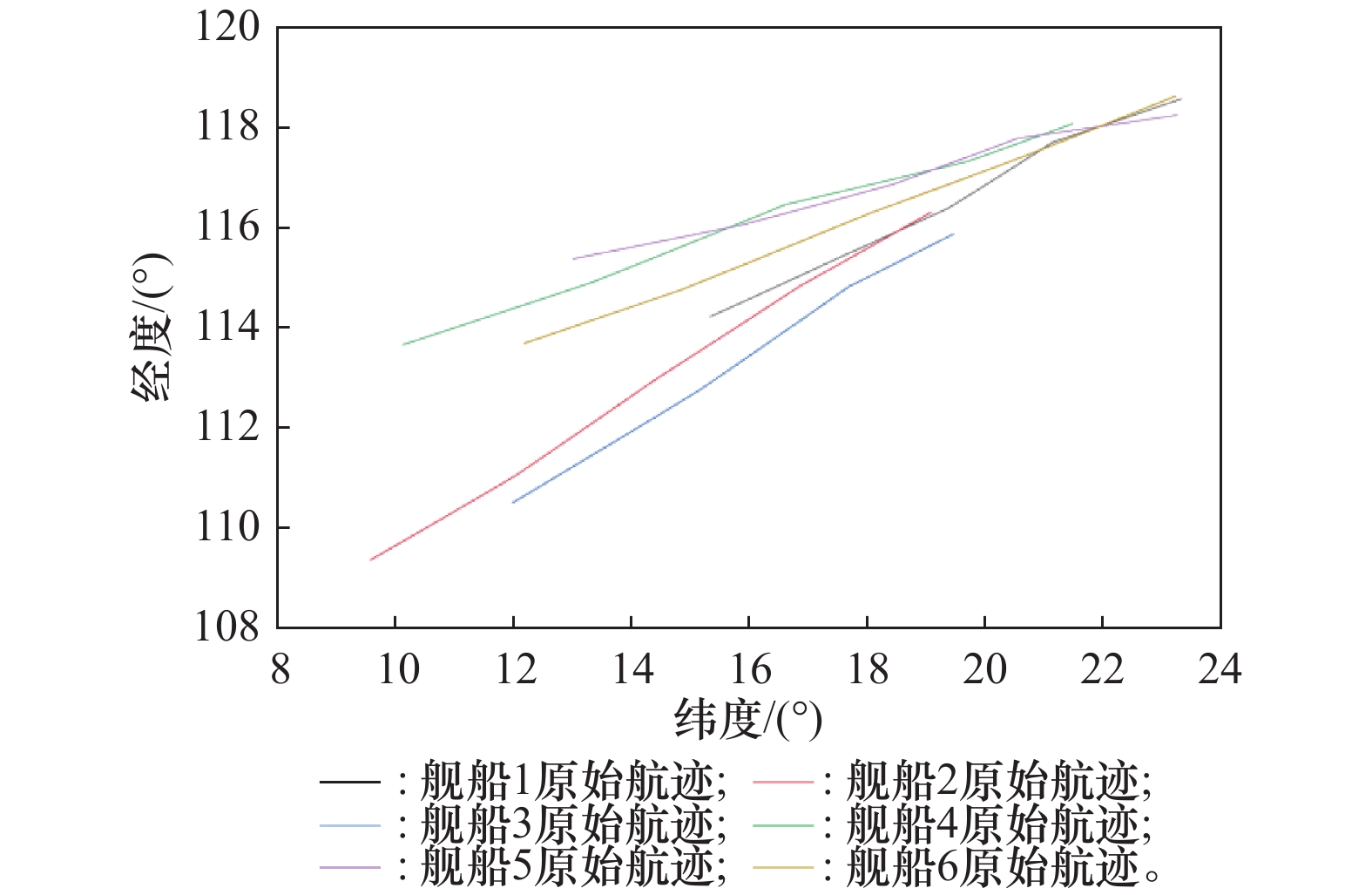
图9
凸组合融合算法融合前后航迹对比"
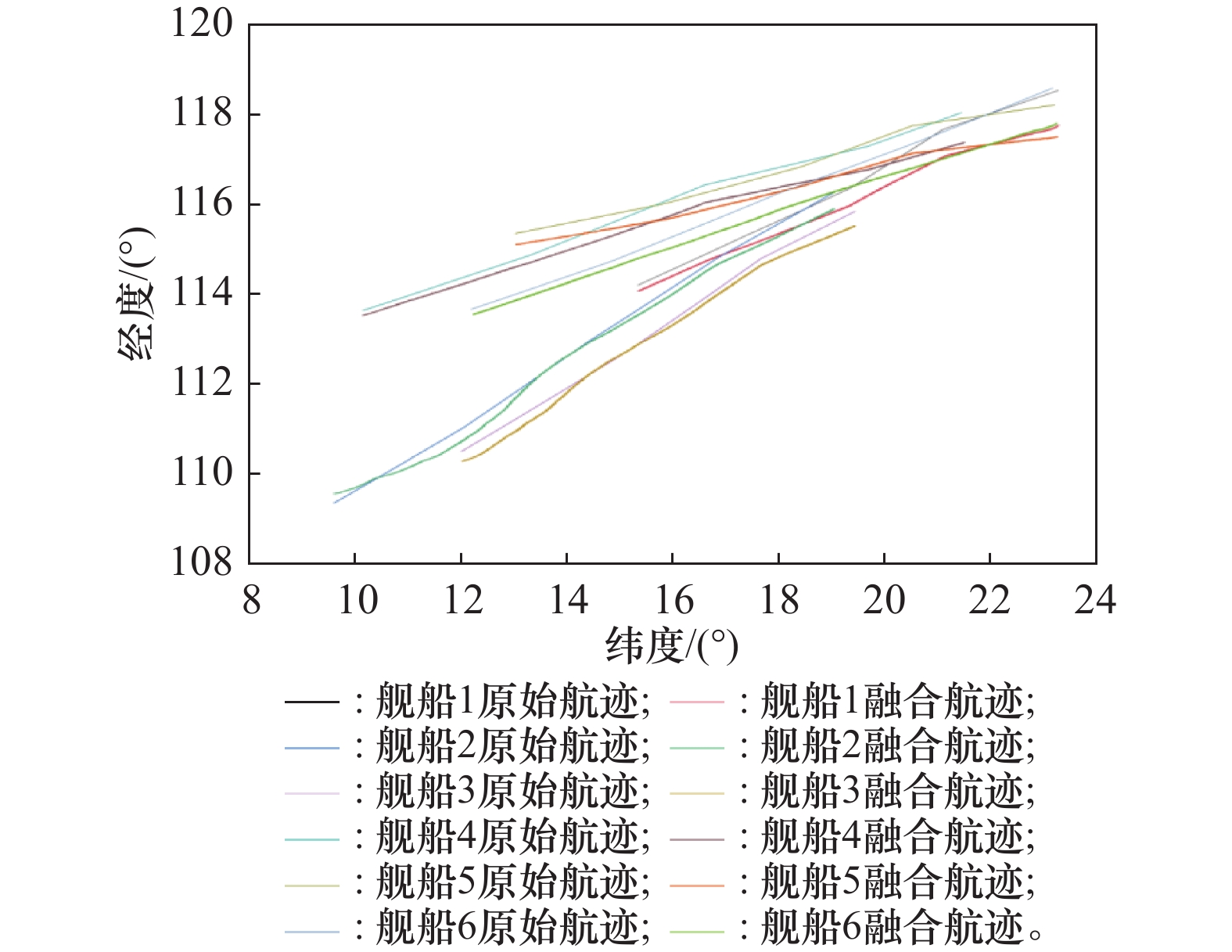
图10
CI融合算法融合前后航迹对比"
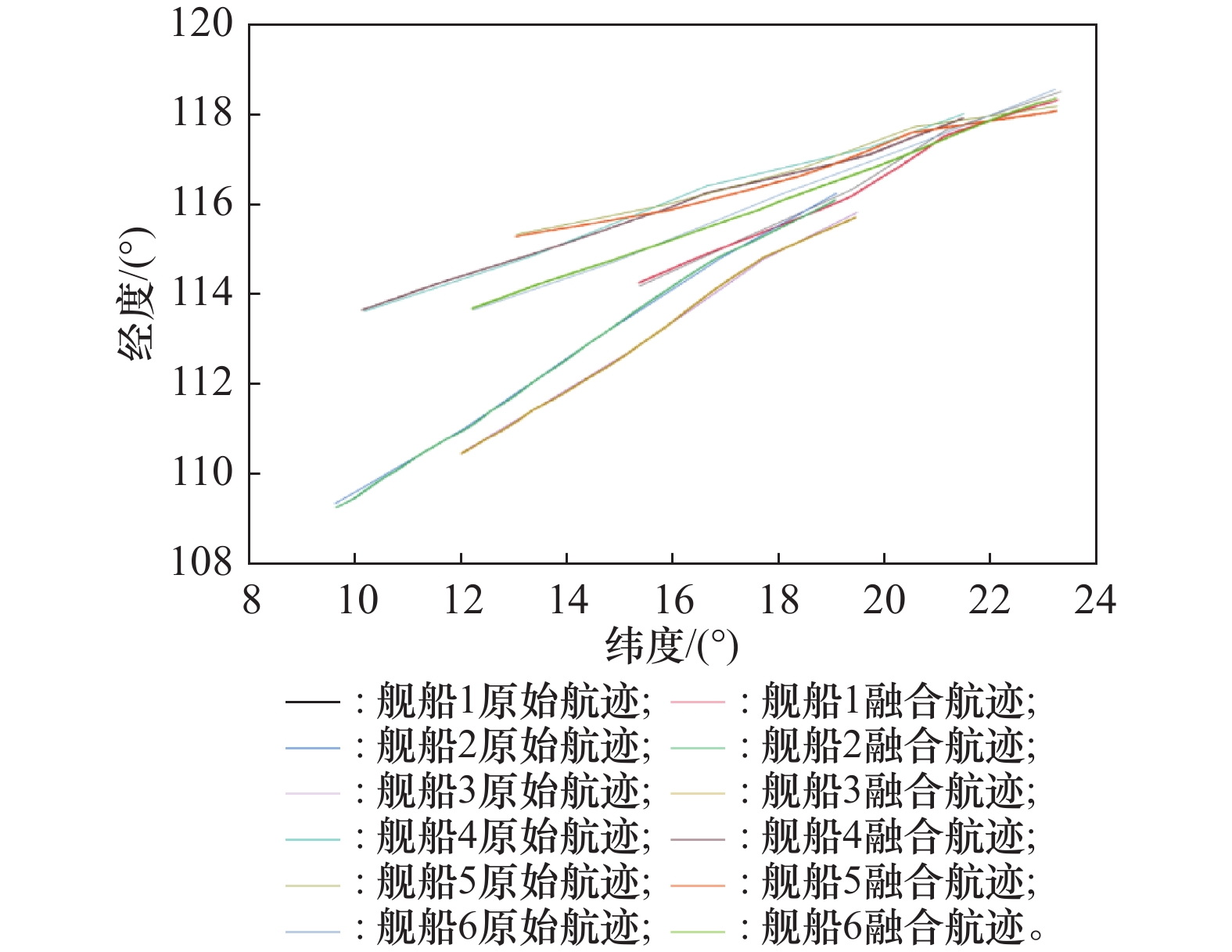
图11
LSTM+Attention算法融合前后航迹对比"
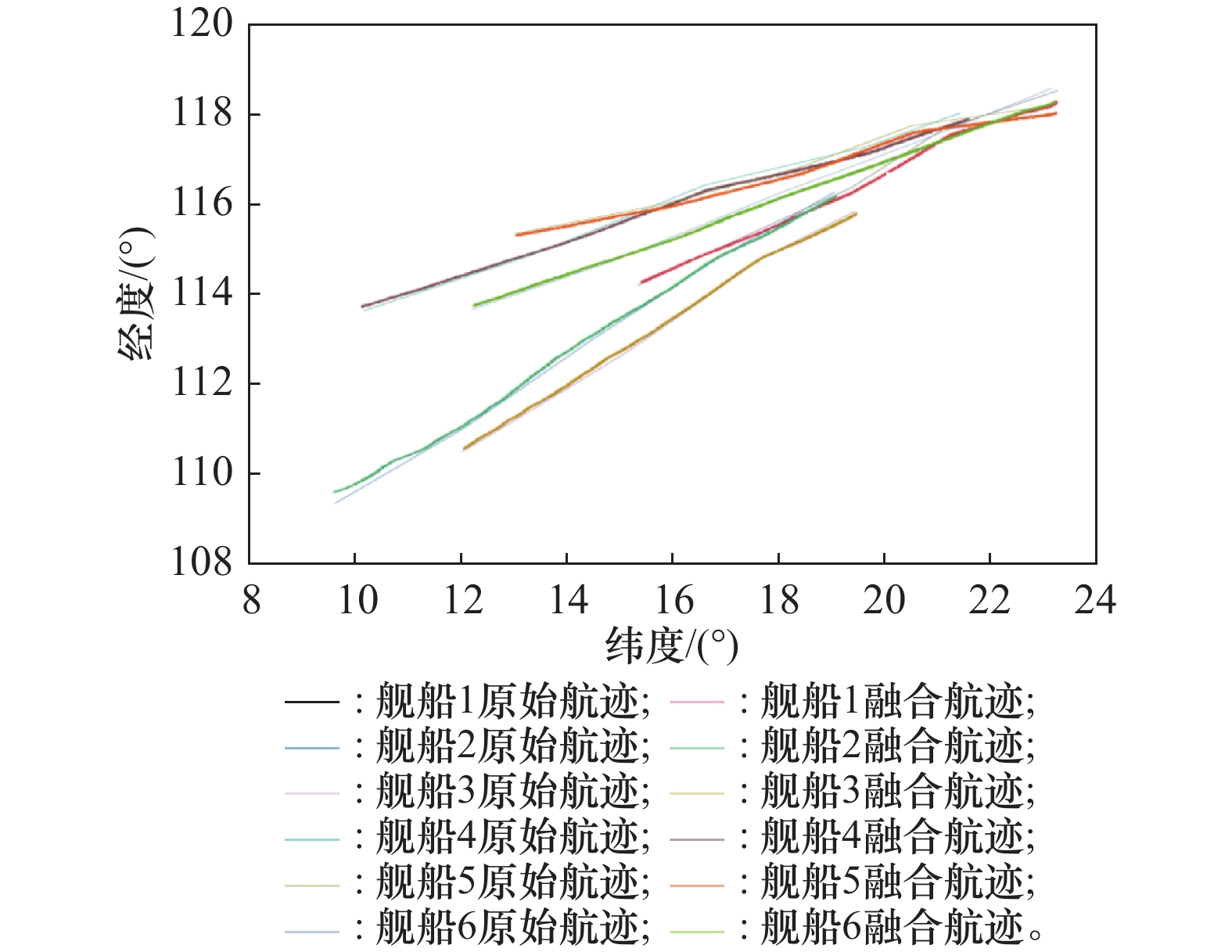
图12
所提算法融合前后航迹对比"
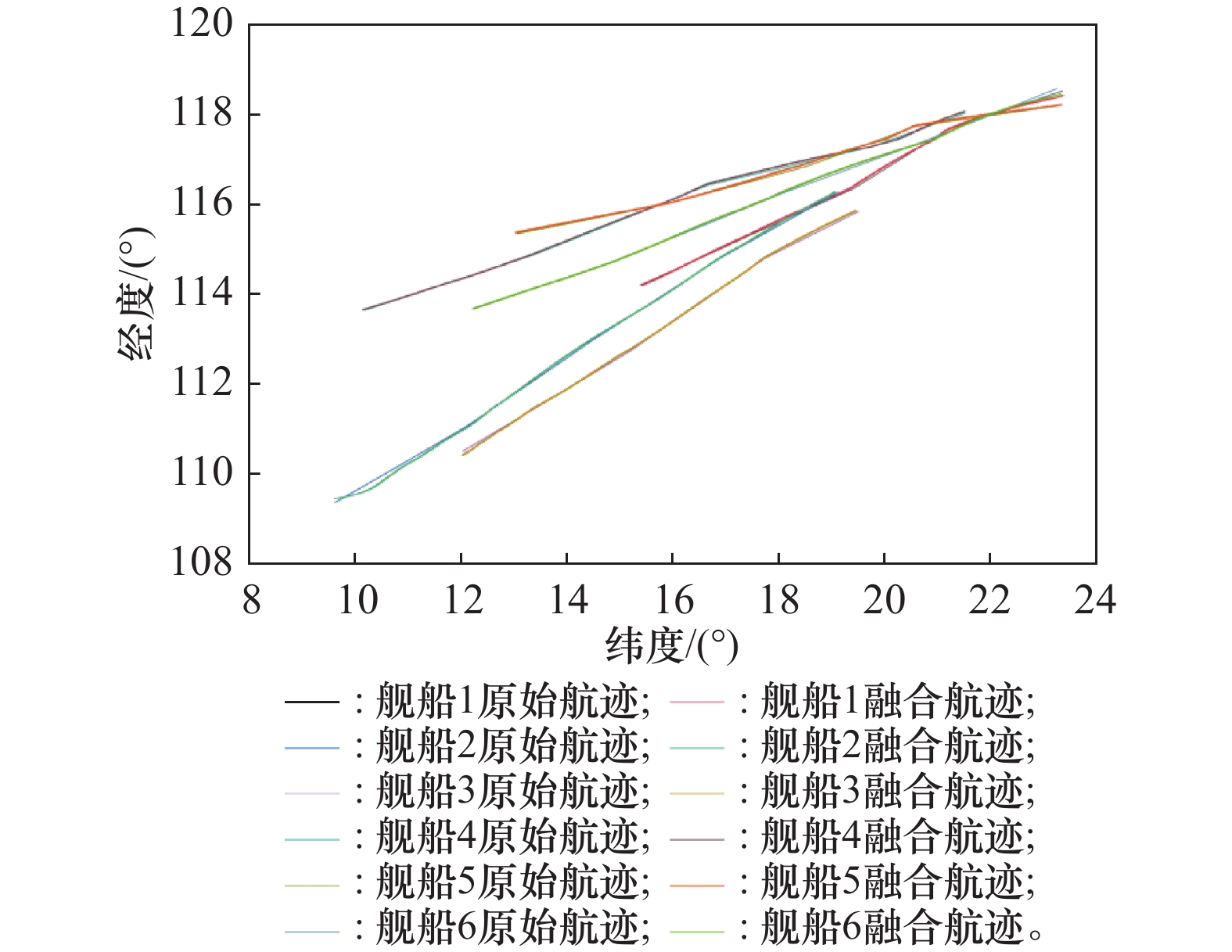
表4
不同算法融合时间比较"
| 场景 | 凸组合融合 算法 | CI 融合算法 | LSTM+Attention | 本文 方法 |
| 5×5 | 9.46 | 12.66 | 7.53 | 5.36 |
| 10×10 | 7.21 | 8.53 | 6.11 | 3.32 |
| 20×20 | 4.13 | 6.42 | 3.54 | 1.81 |
表5
不同算法的RMSE比较"
| 场景 | 凸组合融合 算法 | CI 融合算法 | LSTM+Attention | 本文 方法 |
| 5×5 | 2.53 | 2.4 | 2.03 | 1.86 |
| 10×10 | 2.46 | 2.25 | 1.97 | 1.82 |
| 20×20 | 2.27 | 2.02 | 1.94 | 1.79 |
| 1 |
龙昊, 张思佳, 周晶, 等. 基于改进YOLOv5-ResNet的海上舰船SAR图像快速检测[J]. 宇航计测技术, 2024, 44 (2): 52- 59.
doi: 10.12060/j.issn.1000-7202.2024.02.09 |
|
LONG H, ZHANG S J, ZHOU J, et al. Rapid detection of SAR images of naval vessels based on improved YOLOv5-ResNet[J]. Journal of Astronautic Metrology and Measurement, 2024, 44 (2): 52- 59.
doi: 10.12060/j.issn.1000-7202.2024.02.09 |
|
| 2 | KAZIMIERSKI W. Proposal of neural approach to maritime radar and automatic identification system tracks association[J]. IET Radar, Sonar & Navigation, 2017, 11 (5): 729- 735. |
| 3 |
卜瑞宇, 王彪, 李宏成, 等. 地形跟随中航迹跟踪模型预测控制方案设计[J]. 系统工程与电子技术, 2024, 46 (4): 1383- 1392.
doi: 10.12305/j.issn.1001-506X.2024.04.27 |
|
BU R Y, WANG B, LI H C, et al. Design of trajectory tracking model predictive control scheme in terrain following[J]. Systems Engineering and Electronics, 2024, 46 (4): 1383- 1392.
doi: 10.12305/j.issn.1001-506X.2024.04.27 |
|
| 4 |
NAZARI M, PASHAZADEH S, MOHAMMAD-KHANLI L. An adaptive density-based fuzzy clustering track association for distributed tracking system[J]. IEEE Access, 2019, 7, 135972- 135981.
doi: 10.1109/ACCESS.2019.2941184 |
| 5 | SUN K, WEN Y J, CHEN X, et al. A method for track association using dynamic programming[C]//Proc. of the 6th International Conference on Control, Decision and Information Technologies, 2019: 1373−1378. |
| 6 | ZHANG X, HUANG H, CHEN Q L, et al. An improved track association and fusion method[C]//Proc. of the IEEE 14th International Conference on Signal Processing, 2018: 854−858. |
| 7 | MA M Y , WANG D J , ZHANG T , et al. Track-to-track association algorithm for passive multi-sensor system based on trajectory parameter[J]. IET Radar, Sonar & Navigation, 2021, 15 (4): 348- 358. |
| 8 |
ZHENG J C, WANG Y, LIN C C, et al. A fusion algorithm of target dynamic information for asynchronous multi-sensors[J]. Microsystem Technologies, 2018, 24 (10): 3995- 4005.
doi: 10.1007/s00542-017-3603-6 |
| 9 |
SINGER R A. Computer control of multiple site track data[J]. Automation, 1971, 7 (3): 455- 463.
doi: 10.1016/0005-1098(71)90096-3 |
| 10 | BAR-SHALOM Y, FORTMAN T E. Tracking and association[M]. New York: Aeademic Press, 1988. |
| 11 | 何友, 陆大, 彭应宁, 等. 多传感器数据融合系统中两种新的航迹相关算法[J]. 电子学报, 1997, 25 (9): 10- 14,19. |
| HE Y, LU D, PENG Y N, et al. Two new track association algorithms in multi-sensor data fusion systems[J]. Acta Electronica Sinica, 1997, 25 (9): 10- 14,19. | |
| 12 |
AZIZ A M. Fuzzy track-to-track association and track fusion approach in distributed multisensor-multitarget multiple-attribute environment[J]. Signal Processing, 2007, 87 (6): 1474- 1492.
doi: 10.1016/j.sigpro.2007.01.001 |
| 13 | TUMMALA M, MIDWOOD S A. A fuzzy associative data fusion algorithm for vessel traffic system[R]. Monterey: Naval Postgraduate School, 1998. |
| 14 | TUMMALA M, GLEM I, MIDWOOD S A. Multisensor data fusion for the vessel traffic system[R]. Monterey: Naval Postgraduate School, 1996. |
| 15 | 崔亚奇, 何友, 唐田田, 等. 一种深度学习航迹关联方法[J]. 电子学报, 2022, 50 (3): 759- 763. |
| CUI Y Q , HE Y , TANG T T, et al. A deep learning track correlation method[J]. Acta Electronica Sinica, 2022, 50 (3): 759- 763. | |
| 16 |
黄虹玮, 刘玉娇, 沈卓恺, 等. 基于深度学习网络模型的端到端航迹关联[J]. 计算机科学, 2020, 47 (3): 200- 205.
doi: 10.11896/jsjkx.190400037 |
|
HUANG H W, LIU Y J, SHEN Z K, et al. End-to-end track association based on deep learning network model[J]. Computer Science, 2020, 47 (3): 200- 205.
doi: 10.11896/jsjkx.190400037 |
|
| 17 | 赵翻东, 蔡益朝, 李浩. 基于GRNN神经网络的多目标航迹关联[J]. 信息系统工程, 2021 (7): 135- 136,140. |
| ZHAO F D, CAI Y C, LI H. Multi-target track association based on GRNN neural network[J]. Information Systems Engineering, 2021 (7): 135- 136,140. | |
| 18 |
SITTLER R W. An optimal data association problem in surveillance theory[J]. IEEE Trans. on Military Electronics, 1964, 8 (2): 125- 139.
doi: 10.1109/tme.1964.4323129 |
| 19 | RAOL J R. Data fusion mathematics: theory and practice[M]. Boca Raton: CRC Press, 2015. |
| 20 |
MAHLER R P S. Multitarget Bayes filtering via first-order multitarget moments[J]. IEEE Trans. on Aerospace and Electronic Systems, 2003, 39 (4): 1152- 1178.
doi: 10.1109/TAES.2003.1261119 |
| 21 | KIM K T. Focusing of high range resolution profiles of moving targets using stepped frequency waveforms[J]. IET Radar, Sonar & Navigation, 2010, 4 (4): 564- 575. |
| 22 |
UHLMANN J K. General data fusion for estimates with unknown cross covariances[J]. SPIE Proceedings, 1996, 2755, 536- 547.
doi: 10.1117/12.243195 |
| 23 |
ZHU J, GAO J. Dynamic fusion algorithm of building surface data in heterogeneous environment[J]. Mobile Networks and Applications, 2021, 26 (1): 449- 458.
doi: 10.1007/s11036-020-01677-2 |
| 24 |
PUNITHAKUMAR K, BEN AYED I, SOLIMAN A S, et al. 3D motion estimation of left ventricular dynamics using MRI and track-to-track fusion[J]. IEEE Journal of Translational Engineering in Health and Medicine, 2020, 8, 1800209.
doi: 10.1109/jtehm.2020.2989390 |
| 25 |
潘超凡, 李润生, 胡庆, 等. 基于惯性预测的遥感场景舰船多目标跟踪模型[J]. 系统工程与电子技术, 2025, 47 (1): 41- 51.
doi: 10.12305/j.issn.1001-506X.2025.01.05 |
|
PAN C F, LI R S, HU Q, et al. Ship multiple-object tracking model in remote sensing scene based on inertial prediction[J]. Systems Engineering and Electronics, 2025, 47 (1): 41- 51.
doi: 10.12305/j.issn.1001-506X.2025.01.05 |
|
| 26 | LOVE A. In memory of Carl A[J]. IEEE Antennas and Propagation Society Newsletter, 1985, 27 (3): 17- 18. |
| 27 | 颜上取, 付耀文, 张文鹏, 等. 视频合成孔径雷达技术发展现状综述[J]. 系统工程与电子技术, 2024, 46 (8): 2650- 2666. |
| YAN S Q, FU Y W, ZHANG W P, et al. Review of the development status for ViSAR techniques[J]. Systems Engineering and Electronics, 2024, 46 (8): 2650- 2666. | |
| 28 | 单靖原, 卢雨, 凌寒羽. 鲁棒自适应的机载外辐射源雷达多目标跟踪算法[J]. 系统工程与电子技术, 2024, 46 (9): 2902- 2915. |
| SHAN J Y, LU Y, LING H Y. Robust adaptive multi-target tracking algorithm for airborne passive bistatic radar[J]. Systems Engineering and Electronics, 2024, 46 (9): 2902- 2915. | |
| 29 | 侯磊, 刘金环, 于旭, 等. 图神经网络研究综述[J]. 计算机科学, 2024 (6): 282- 298. |
| HOU L, LIU J H, YU X, et al. Review of graph neural networks[J]. Computer Science, 2024 (6): 282- 298. | |
| 30 | GORI M, MONFARDINI G, SCARSELLI F. A new model for learning in graph domains[C]//Proc. of the IEEE International Joint Conference on Neural Networks, 2005, 2: 729−734. |
| 31 | 孔建国, 李亚彬, 张时雨, 等. 基于CNN- LSTM- attention模型航迹预测研究[J]. 航空计算技术, 2023, 53 (1): 1- 5. |
| KONG J G, LI Y B, ZHANG S Y, et al. Research on trajectory prediction based on CNN-LSTM-attention model[J]. Aerospace Computing Technology, 2023, 53 (1): 1- 5. |
| [1] | 于昊天, 关欣. 基于证据推理的航迹关联检验判决方法[J]. 系统工程与电子技术, 2025, 47(9): 2818-2827. |
| [2] | 张家琦, 刘芳, 曾操, 陶海红, 赵诗华. 联合雷达与光电设备的破裂航迹关联方法[J]. 系统工程与电子技术, 2025, 47(9): 2862-2869. |
| [3] | 李春雨, 辛虎兵, 宋艳琴. 一种航天发射任务分布式多站实时航迹处理方法[J]. 系统工程与电子技术, 2025, 47(7): 2185-2193. |
| [4] | 何肖阳, 陈小龙, 杜晓林, 苏宁远, 袁旺, 关键. 基于CBAM-Swin-Transformer迁移学习的海上微动目标分类方法[J]. 系统工程与电子技术, 2025, 47(4): 1155-1167. |
| [5] | 张文中, 侯长波, 赵鹏旗, 刘思成. 基于GCN的无人机目标航迹关联[J]. 系统工程与电子技术, 2025, 47(12): 4005-4011. |
| [6] | 邵凯, 吴广, 梁燕, 奚兴发, 高琳珈. 基于局部特征编解码的自动驾驶3D目标检测[J]. 系统工程与电子技术, 2025, 47(10): 3168-3178. |
| [7] | 杨鑫, 阮开智, 刘红明, 王晓科, 刘静秋, 施裕升. 基于目标量测误差分布的航迹抗差关联算法[J]. 系统工程与电子技术, 2024, 46(8): 2820-2828. |
| [8] | 阳鹏飞, 何羚, 王茜, 王睿笛, 张明志. 基于混合信号多域特征和Transformer的干扰识别[J]. 系统工程与电子技术, 2024, 46(6): 2138-2145. |
| [9] | 邱建杰, 蔡益朝, 李浩, 黄权印. 基于动态估计反馈的灰色理论航迹关联算法[J]. 系统工程与电子技术, 2024, 46(4): 1401-1411. |
| [10] | 刘子昌, 白永生, 李思雨, 贾希胜. 基于小波时频图与Swin Transformer的柴油机故障诊断方法[J]. 系统工程与电子技术, 2023, 45(9): 2986-2998. |
| [11] | 国佳恩, 周正, 曾睿. 多局部节点异步航迹快速关联算法[J]. 系统工程与电子技术, 2023, 45(3): 669-677. |
| [12] | 眭海刚, 李嘉杰, 苟国华. 基于异源影像匹配的无人机在线快速定位方法[J]. 系统工程与电子技术, 2023, 45(10): 3008-3015. |
| [13] | 钱坤, 李晨瑄, 陈美杉, 郭继伟, 潘磊. 基于改进Swin Transformer的舰船目标实例分割算法[J]. 系统工程与电子技术, 2023, 45(10): 3049-3057. |
| [14] | 韩伟, 王国师, 晏凯, 宋亚伟. 基于多维分配的多普勒盲区目标点迹-航迹关联方法[J]. 系统工程与电子技术, 2023, 45(10): 3091-3097. |
| [15] | 关欣, 国佳恩. 基于迭代离散度序贯检测的航迹抗差关联算法[J]. 系统工程与电子技术, 2022, 44(8): 2498-2505. |
| 阅读次数 | ||||||
|
全文 |
|
|||||
|
摘要 |
|
|||||
