Systems Engineering and Electronics ›› 2026, Vol. 48 ›› Issue (2): 578-587.doi: 10.12305/j.issn.1001-506X.2026.02.19
• Systems Engineering • Previous Articles
Event-related potential characteristics of human/unmanned aerial vehicle cooperative commanders
Biao YAN1,2, Xiaoli WU1,2,*, Lan ZHANG1,2, Xiao LIU1,2, Zexi FANG1,2, Weiyi HAN1,2, Qi’an LI1,2
- 1. School of Design Art & Media,Nanjing University of Science and Technology,Nanjing 210094,China
2. Key Laboratory of Ministry Industry and Information Technology for Language Information Processing and Application,Nanjing 210094,China
-
Received:2023-12-22Revised:2024-07-13Online:2025-02-24Published:2025-02-24 -
Contact:Xiaoli WU

CLC Number:
Cite this article
Biao YAN, Xiaoli WU, Lan ZHANG, Xiao LIU, Zexi FANG, Weiyi HAN, Qi’an LI. Event-related potential characteristics of human/unmanned aerial vehicle cooperative commanders[J]. Systems Engineering and Electronics, 2026, 48(2): 578-587.
share this article
Fig.1
Human/unmanned aerial vehicle collaborative task process"
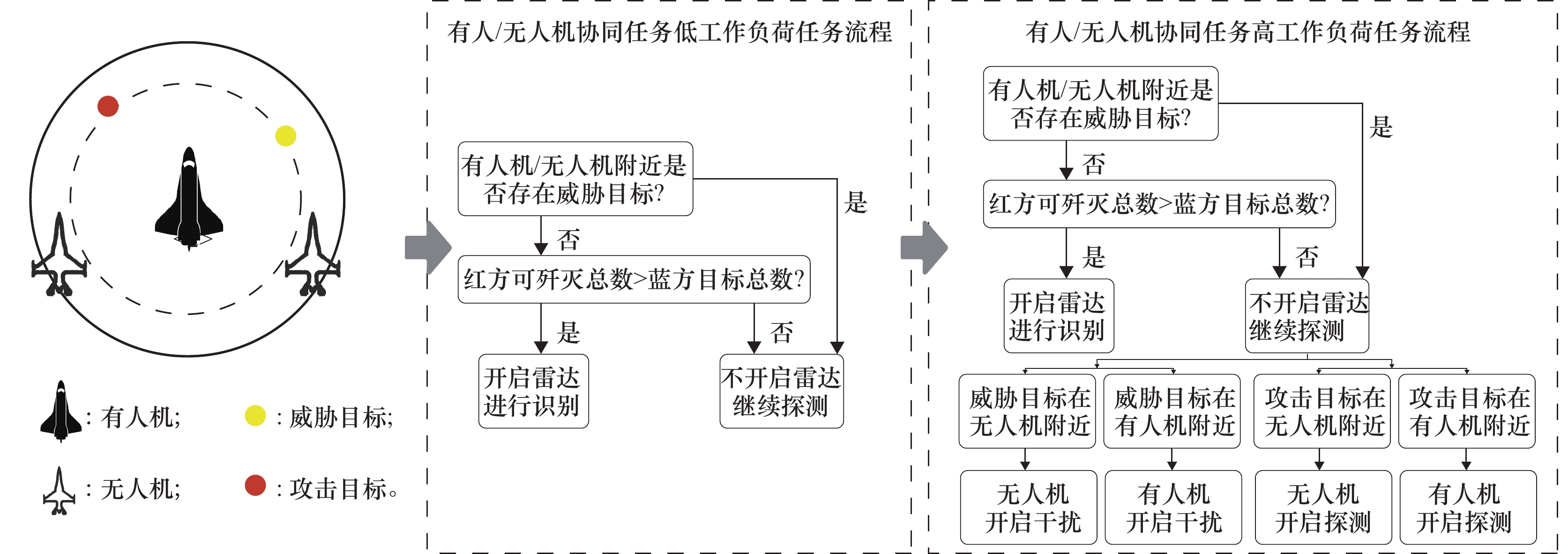
Fig.2
Experimental environment and equipment"
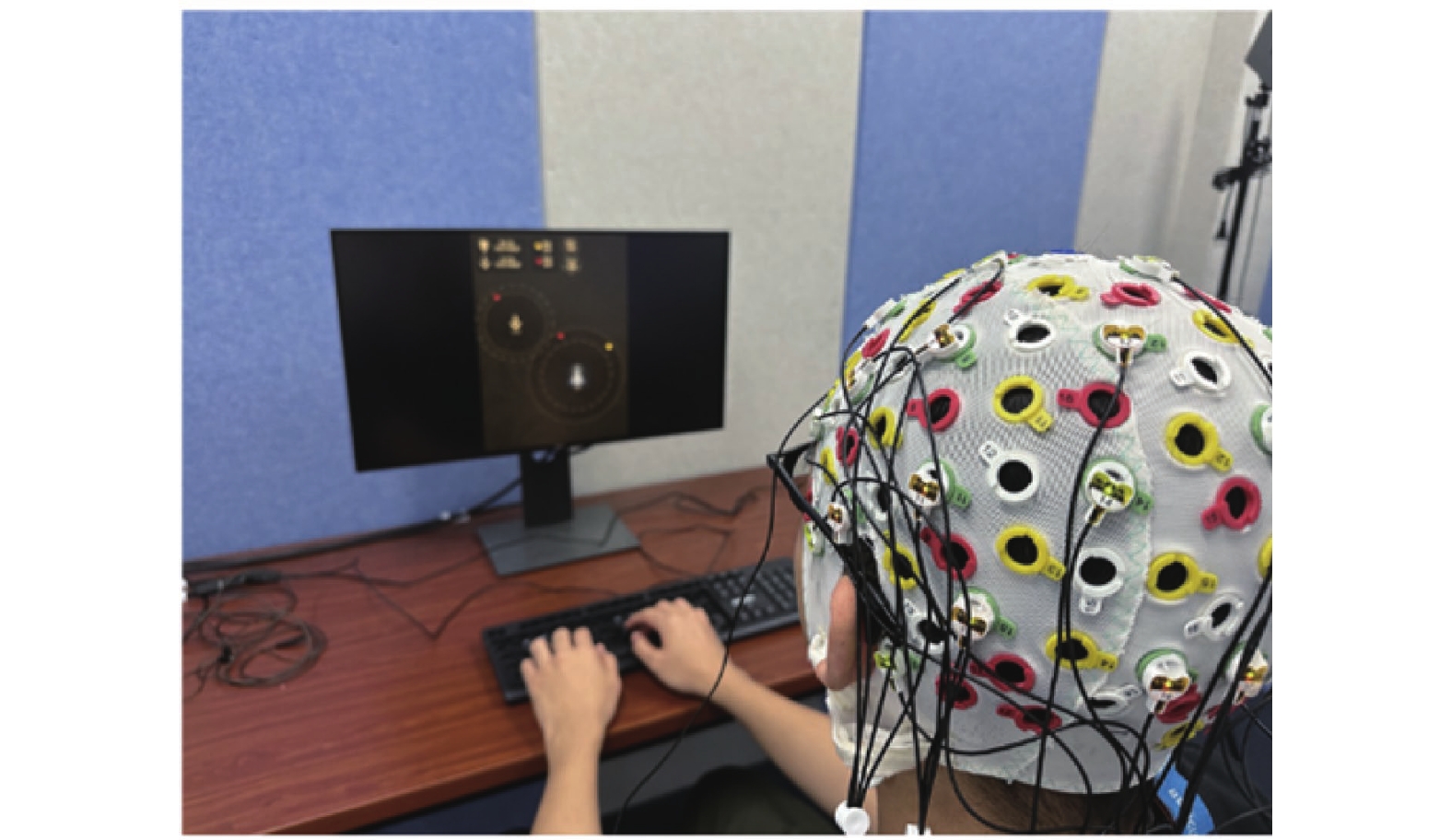
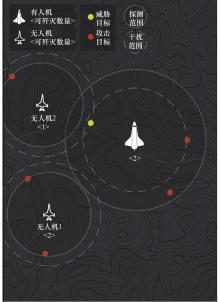
Fig.3
Experimental stimulus materials"
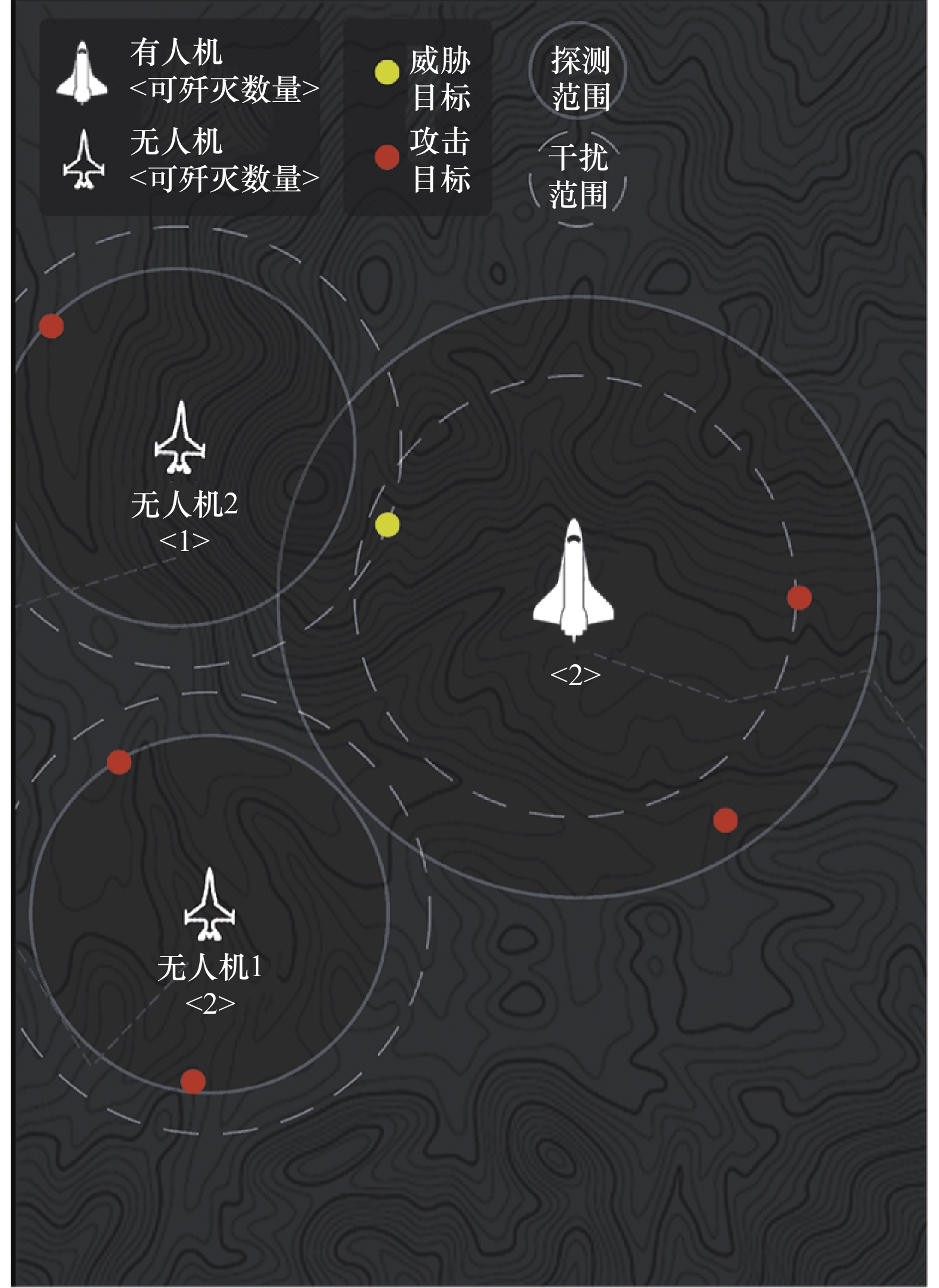
Fig.4
Experimental protocol design"
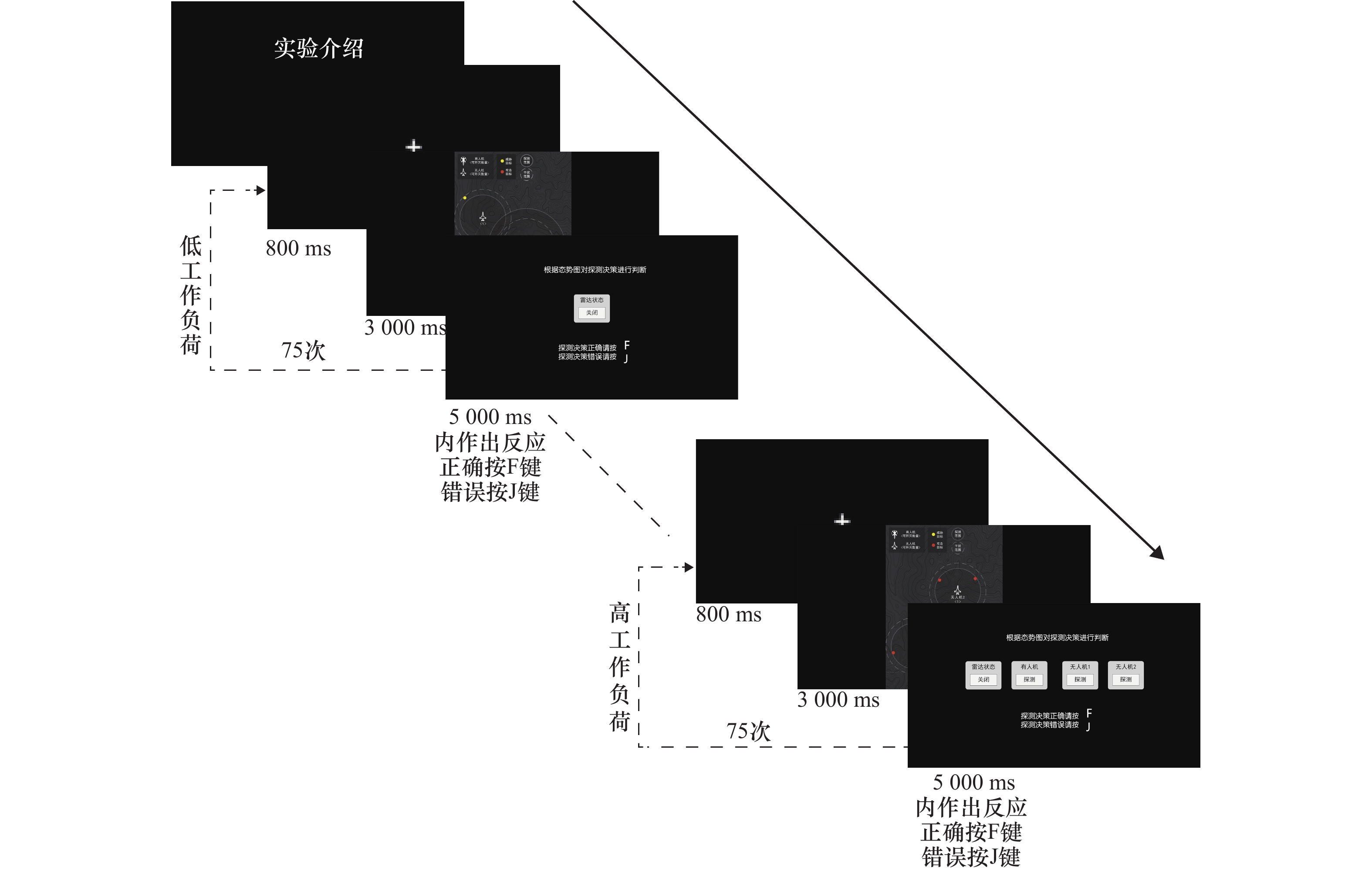

Fig.5
Accuracy under different task conditions"
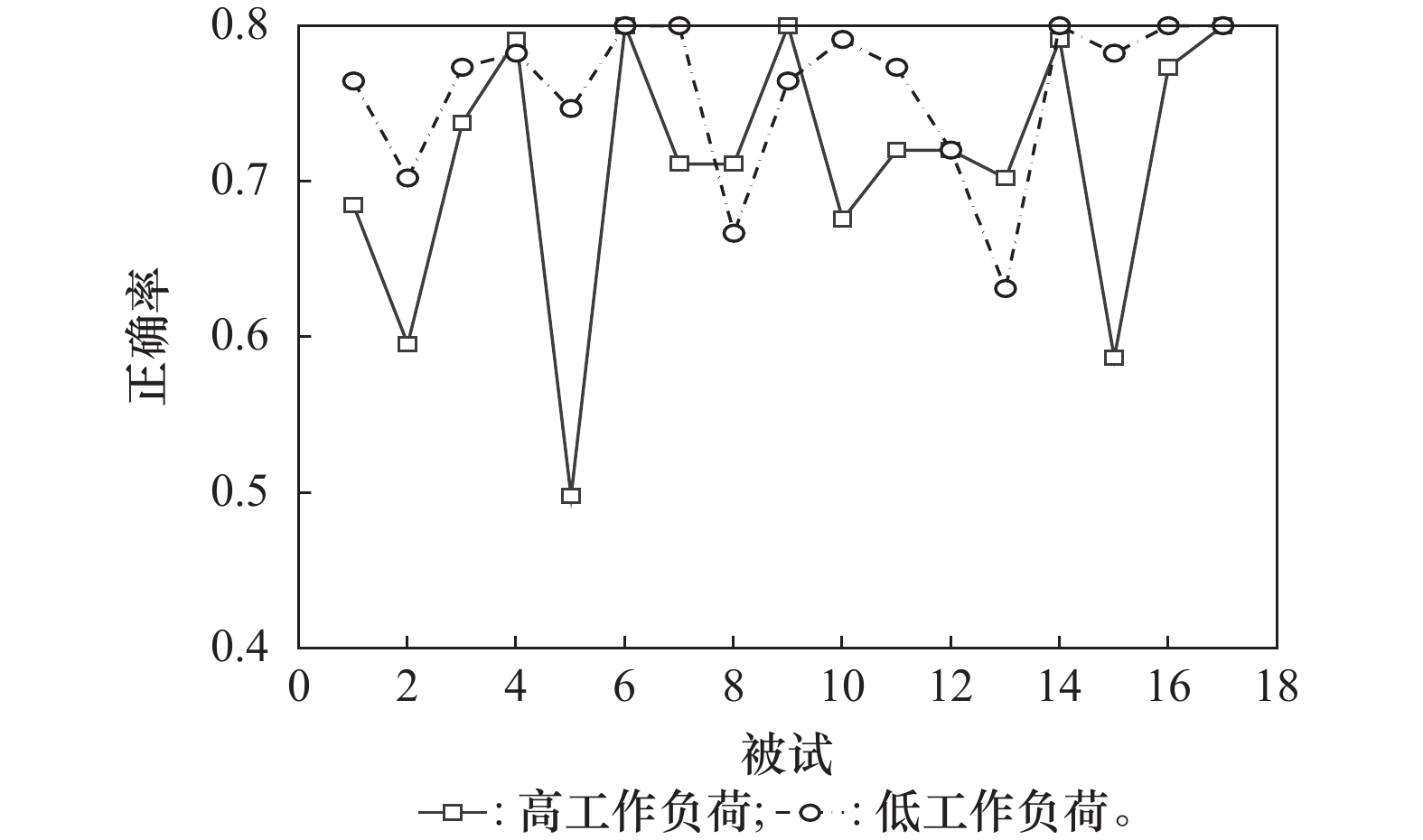
Table 1
Wilcoxon signed-rank test for accuracy statistics"
| 统计检验 | 高工作负荷正确率-低工作负荷正确率 |
| Z | −2.009b |
| 渐近显著性(双尾) | 0.045 |
Fig.6
Reaction time under different task conditions"
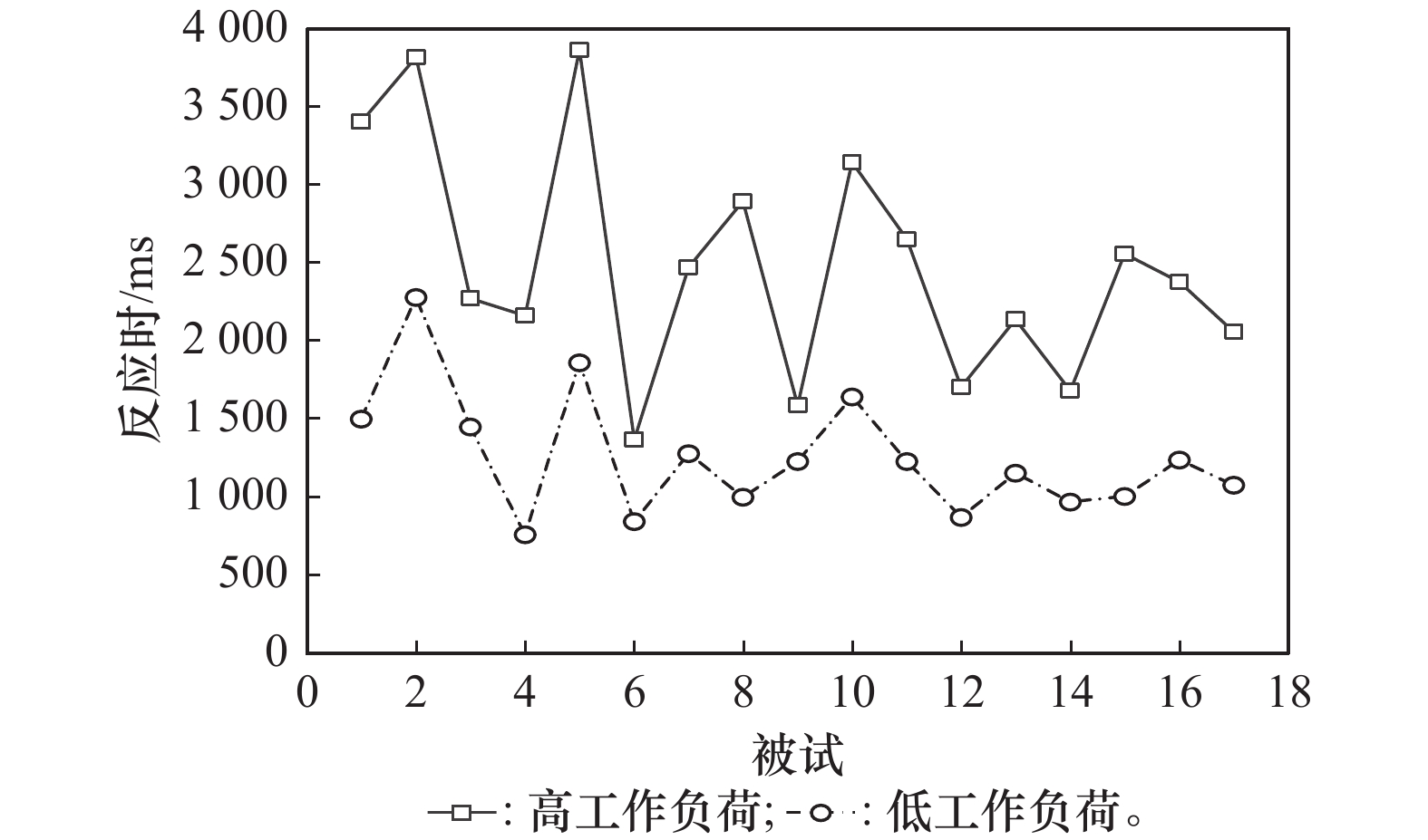
Table 2
Paired sample test for reaction time"
| 反应时配对比较 | 配对差值 | t | 自由度 | Sig (双尾) | ||||
| 平均值 | 标准 偏差 | 标准误差 平均值 | 差值 95%置信区间 | |||||
| 下限 | 上限 | |||||||
| 高工作负荷反应时- 低工作负荷反应时 | 487.962 | 118.348 | 971.231 | 10.326 | 16 | 0.000 | ||
Table 3
P200 paired sample test"
| P200配对比较 | 配对差值 | t | 自由度 | Sig (双尾) | ||||
| 平均值 | 标准 偏差 | 标准误差平均值 | 差值 95% 置信区间 | |||||
| 下限 | 上限 | |||||||
| Cz-低工作负荷- Cz-高工作负荷 | − | − | −0.872 | 16 | 0.396 | |||
| C4-低工作负荷- C4-高工作负荷 | − | 0.900 | 16 | 0.382 | ||||
| F4-低工作负荷- F4-高工作负荷 | − | 0.698 | 16 | 0.495 | ||||
| Fz-低工作负荷- Fz-高工作负荷 | − | − | −1.760 | 16 | 0.097 | |||
Table 4
Wilcoxon signed-rank test statistics for F3 and C3"
| 统计检验 | F3高工作负荷-F3低工作负荷 | C3高工作负荷-C3低工作负荷 |
| Z | −2.249b | −1.160b |
| 渐近显著性(双尾) | 0.025 | 0.246 |
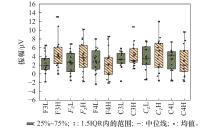
Fig.7
P200 amplitude under high and low workload conditions"
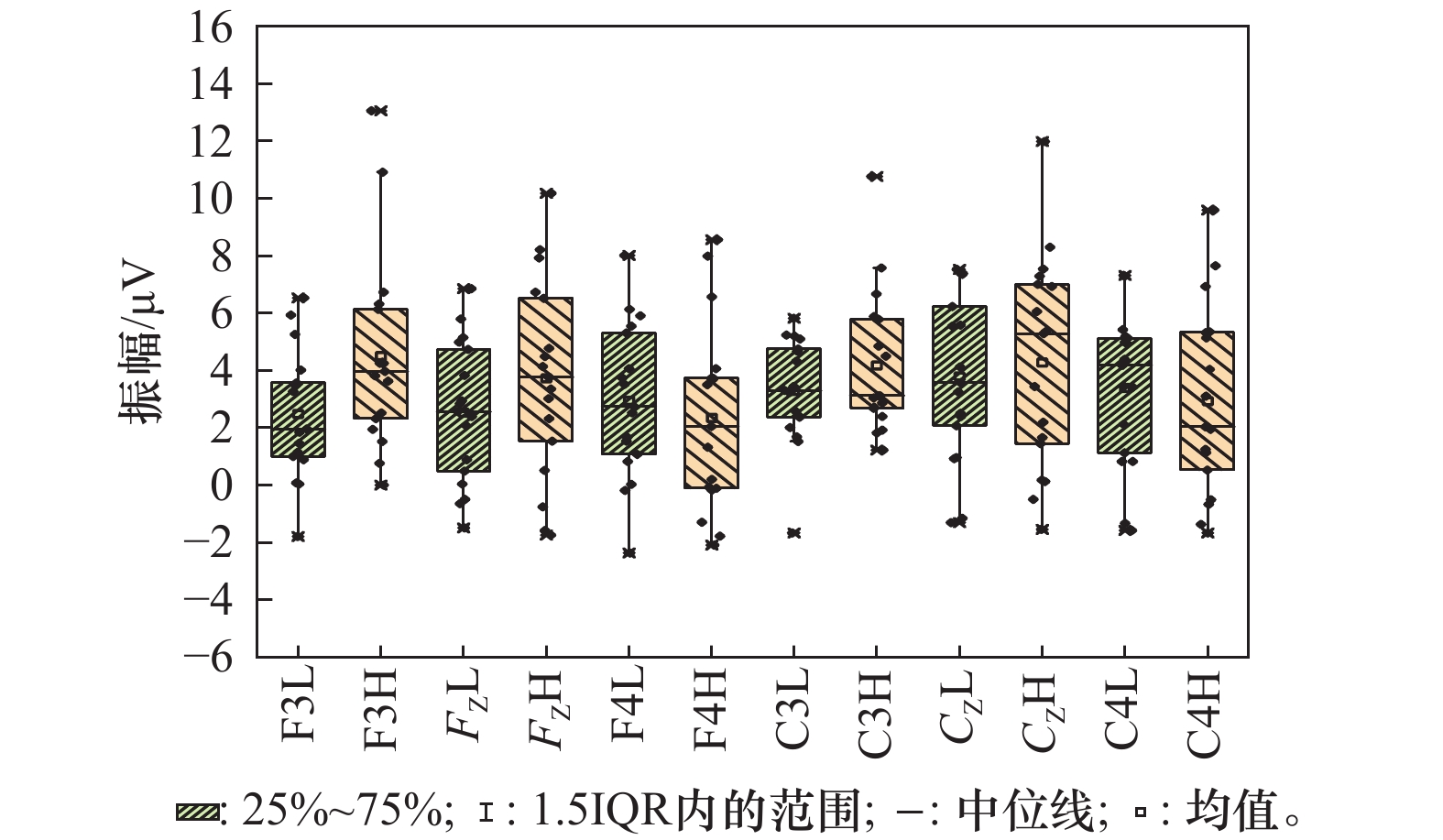
Table 5
P300 paired sample test"
| P300配对比较 | 配对差值 | t | 自由度 | Sig (双尾) | ||||
| 平均值 | 标准 偏差 | 标准误差 平均值 | 差值 95% 置信区间 | |||||
| 下限 | 上限 | |||||||
| F3-低工作负荷- F3-高工作负荷 | − | − | − | −2.330 | 16 | 0.033 | ||
| C3-低工作负荷- C3-高工作负荷 | − | − | −1.539 | 16 | 0.143 | |||
| Cz-低工作负荷- Cz-高工作负荷 | − | − | −0.493 | 16 | 0.629 | |||
| C4-低工作负荷- C4-高工作负荷 | − | 1.529 | 16 | 0.146 | ||||
| F4-低工作负荷- F4-高工作负荷 | 2.456 | 16 | 0.026 | |||||
| Fz-低工作负荷- Fz-高工作负荷 | − | − | −0.902 | 16 | 0.381 | |||
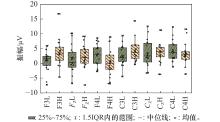
Fig.8
P300 amplitude under high and low workload conditions"
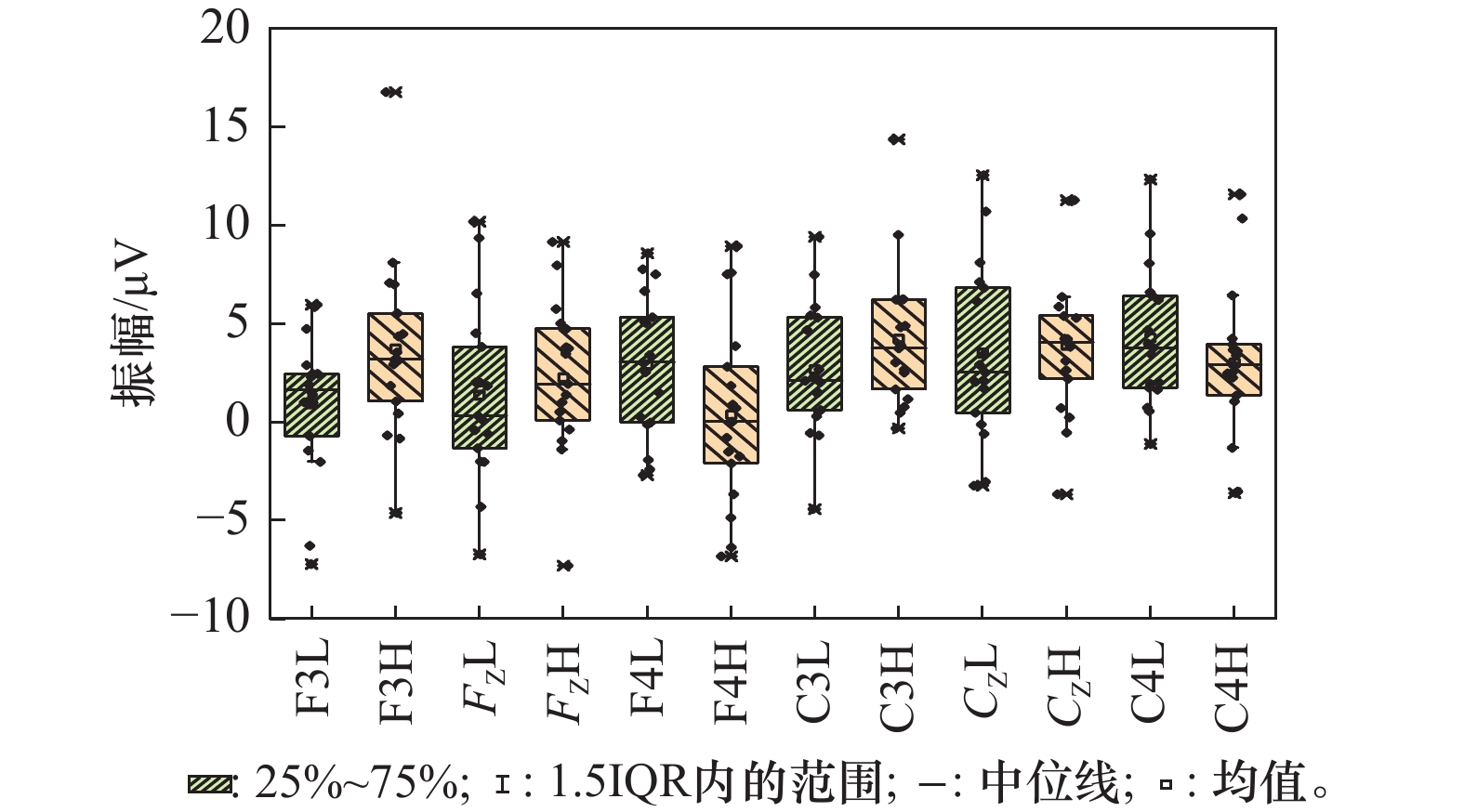
Fig.9
P200 and P300 waveforms under low and high workload conditions"
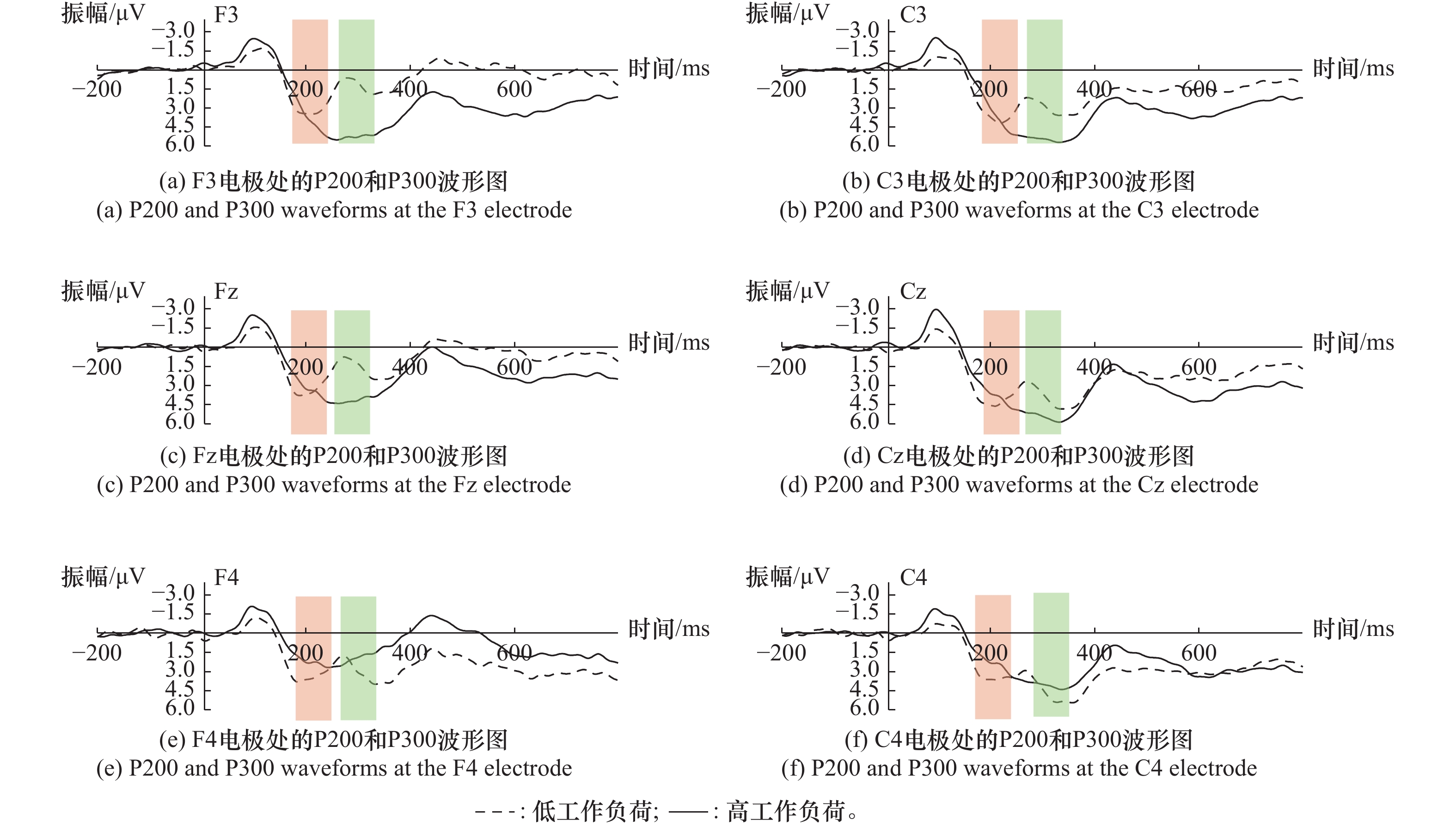
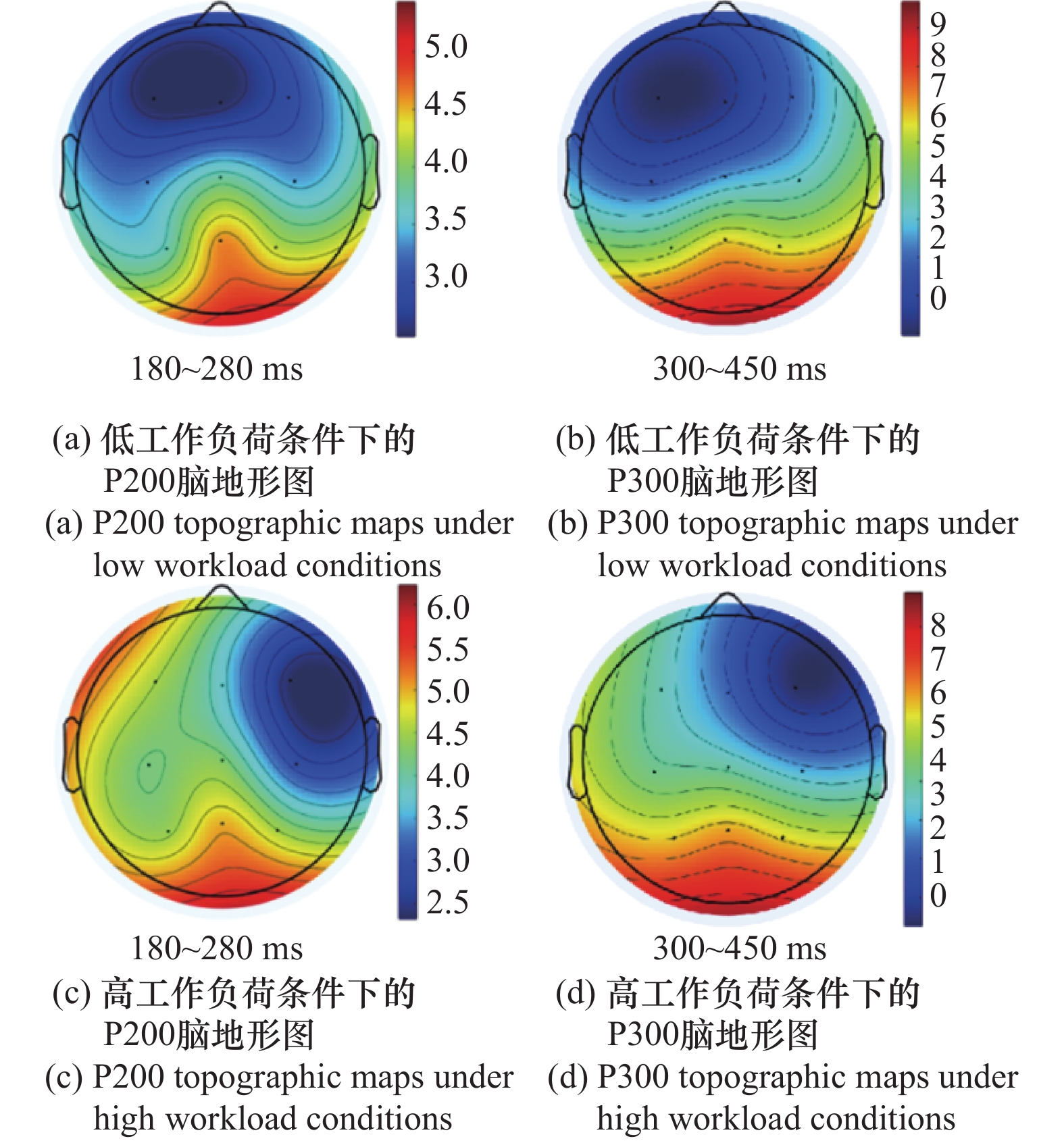
Fig.10
P200 and P300 topographic maps under low and high workload conditions"
| 1 |
RICHARD C M, LEILA H, ARMIN M, et al. Integrating unmanned and manned UAVs data network based on combined Bayesian belief network and multi-objective reinforcement learning algorithm[J]. Drone Systems and Applications, 2023, 11 (1): 1- 17.
doi: 10.1139/dsa-2022-0043 |
| 2 |
王凯. 智能化背景下美军无人机作战发展研究[J]. 舰船电子工程, 2022, 42 (4): 14- 16.
doi: 10.3969/j.issn.1672-9730.2022.04.005 |
|
WANG K. Research on U. S. army UAV combat development under the background of intelligentization[J]. Ship Electronic Engineering, 2022, 42 (4): 14- 16.
doi: 10.3969/j.issn.1672-9730.2022.04.005 |
|
| 3 |
张宏宏, 李文华, 郑家毅, 等. 有人/无人机协同作战: 概念、技术与挑战[J]. 航空学报, 2024, 45 (15): 168- 194.
doi: 10.7527/S1000-6893.2023.29653 |
|
ZHANG H H, LI W H, ZHENG J Y, et al. Coordinated manned/unmanned aerial warfare: concepts, technologies, and challenges[J]. Acta Aeronautica et Astronautica Sinica, 2024, 45 (15): 168- 194.
doi: 10.7527/S1000-6893.2023.29653 |
|
| 4 |
王建峰, 贾高伟, 郭正, 等. 多无人机协同任务规划方法研究综述[J]. 系统工程与电子技术, 2024, 46 (10): 3437- 3450.
doi: 10.12305/j.issn.1001-506X.2024.10.21 |
|
WANG J F, JIA G W, GUO Z, et al. Research status and development of multi-UAV system mission planning[J]. Systems Engineering and Electronics, 2024, 46 (10): 3437- 3450.
doi: 10.12305/j.issn.1001-506X.2024.10.21 |
|
| 5 |
李望西, 王勇, 吴文超, 等. 面向空空作战的有人/无人机协同作战模式研究[J]. 无人系统技术, 2023, 6 (4): 76- 84.
doi: 10.19942/j.issn.2096-5915.2023.04.40 |
|
LI W X, WANG Y, WU W C, et al. Research on manned/unmanned air vehicle cooperative combat model for air-to-air combat[J]. Unmanned Systems Technology, 2023, 6 (4): 76- 84.
doi: 10.19942/j.issn.2096-5915.2023.04.40 |
|
| 6 | VAN R W F. Information processing and decision making cognitive aspects of economic behaviour [M]//RAAIJ W F V, VELDHOVEN G M V, WARNERYD K E, ed. Handbook of economic psychology. Boston: Kluwer Academic Publishers, 1988. |
| 7 | YOUNG M S, STANTON N A. Attention and automation: new perspectives on mental underload and performance[J]. Theoretical Issues in Ergonomics Science, 2002, 3 (2): 178- 194. |
| 8 |
KELLY D, EFTHYMIOU M. An analysis of human factors in fifty controlled flight into terrain aviation accidents from 2007 to 2017[J]. Journal of Safety Research, 2019, 69 (1): 155- 165.
doi: 10.1016/j.jsr.2019.03.009 |
| 9 |
VILLAFAINA S, FUENTES-GARCLA J P, GUSI N, et al. Psychophysiological response of military pilots in different combat flight maneuvers in a flight simulator[J]. Physiology & Behavior, 2021, 238 (1): 113483.
doi: 10.1016/j.physbeh.2021.113483 |
| 10 |
ALAIMO A, ESPOSITO A, ORLANDO C, et al. Aircraft pilots workload analysis: heart rate variability objective measures and NASA-task load index subjective evaluation[J]. Aerospace, 2020, 7 (9): 137.
doi: 10.3390/aerospace7090137 |
| 11 |
HERNANDEZ-SABATE A, YAURI J, FOLCH P, et al. Recognition of the mental workloads of pilots in the cockpit using EEG signals[J]. Applied Sciences, 2022, 12 (5): 2298.
doi: 10.3390/app12052298 |
| 12 | SABETI M, BOOSTANI R, MORADI E. Event related potential (ERP) as a reliable biometric indicator: a comparative approach[J]. Array, 2020, 6 (1): 100026. |
| 13 |
CHEN Y Y, FANG W N, GUO B Y, et al. Effects of interruption on work performance and the moderating effects of mental fatigue[J]. Acta Psychologica Sinica, 2023, 55 (1): 22- 35.
doi: 10.3724/sp.j.1041.2023.00022 |
| 14 | GAJEWSKI P D, FERDINAND N K, KRAY J, et al. Understanding sources of adult age differences in task switching: evidence from behavioral and ERP studies[J]. Neuroscience & Biobehavioral Reviews, 2018, 92 (1): 255- 275. |
| 15 | SUR S, SINHA V K. Event-related potential: an overview[J]. Industrial Psychiatry Journal, 2009, 18 (1): 70- 73. |
| 16 |
SCHINDLER S, KISSLER J. Selective visual attention to emotional words: early parallel frontal and visual activations followed by interactive effects in visual cortex[J]. Human Brain Mapping, 2016, 37 (10): 3575- 3587.
doi: 10.1002/hbm.23261 |
| 17 |
CONLEY E M, MICHALEWSKI H J, STARR A. The N100 auditory cortical evoked potential indexes scanning of auditory short-term memory[J]. Clinical Neurophysiology, 1999, 110 (12): 2086- 2093.
doi: 10.1016/s1388-2457(99)00183-2 |
| 18 |
JIN J, ZHANG W K, CHEN M L. How consumers are affected by product descriptions in online shop: event-related potentials evidence of the attribute framing effect[J]. Neuroscience Research, 2017, 125 (1): 21- 28.
doi: 10.1016/j.neures.2017.07.006 |
| 19 |
MILLER M W, RIETSCHEL J C, MCDONALD C G, et al. A novel approach to the physiological measurement of mental workload[J]. International Journal of Psychophysiology, 2011, 80 (1): 75- 78.
doi: 10.1016/j.ijpsycho.2011.02.003 |
| 20 |
VAREKA L, LADOUCE S. Prediction of navigational decisions in the real-world: a visual P300 event-related potentials brain-computer interface[J]. International Journal of Human-Computer Interaction, 2021, 37 (14): 1375- 1389.
doi: 10.1080/10447318.2021.1888510 |
| 21 |
ALLISON B Z, POLICH J. Workload assessment of computer gaming using a single-stimulus event-related potential paradigm[J]. Biological Psychology, 2008, 77 (3): 277- 283.
doi: 10.1016/j.biopsycho.2007.10.014 |
| 22 | KATHNER I, WRIESSNEGGER S C, MULLER-PUTZ G R, et al. Effects of mental workload and fatigue on the P300, alpha and theta band power during operation of an ERP (P300) brain–computer interface[J]. Biological Psychology, 2014, 102 (1): 118- 129. |
| 23 |
丁达理, 谢磊, 王渊. 有人机/无人机协同作战运用及对战争形态影响[J]. 无人系统技术, 2020, 3 (4): 1- 9.
doi: 10.19942/j.issn.2096-5915.2020.04.001 |
|
DING D L, XIE L, WANG Y. The application of manned/mnmanned aerial vehicle cooperative combat and its influence on war form[J]. Unmanned Systems Technology, 2020, 3 (4): 1- 9.
doi: 10.19942/j.issn.2096-5915.2020.04.001 |
|
| 24 |
WICKENS C D. Multiple resources and mental workload[J]. Human Factors, 2008, 50 (3): 449- 455.
doi: 10.1518/001872008X288394 |
| 25 | GENTILI R J, RIETSCHEL J C, JAQUESS K J, et al. Brain biomarkers based assessment of cognitive workload in pilots under various task demands [C]// Proc. of the 36th Annual International Conference of the IEEE Engineering in Medicine and Biology Society, 2014: 5860−5863. |
| 26 | SOKHADZE E M, CASANOVA M F, CASANOVA E L, et al. Event-related potentials (ERP) in cognitive neuroscience research and applications[J]. Neuro Regulation, 2017, 4 (1): 14- 27. |
| 27 |
HORAT S K, HERRMANN F R, FAVRE G, et al. Assessment of mental workload: a new electrophysiological method based on intra-block averaging of ERP amplitudes[J]. Neuropsychologia, 2016, 82 (1): 11- 17.
doi: 10.1016/j.neuropsychologia.2015.12.013 |
| 28 | POLICH J. Updating P300: an integrative theory of P3a and P3b[J]. Clinical Neurophysiology, 2007, 118 (10): 2128- 2148. |
| 29 |
DEENY S, CHICOINE C, HARGROVE L, et al. A simple ERP method for quantitative analysis of cognitive workload in myoelectric prosthesis control and human-machine interaction[J]. PloS One, 2014, 9 (11): e112091.
doi: 10.1371/journal.pone.0112091 |
| 30 |
SCHARINGER C, KAMMERER Y, GERJETS P. Pupil dilation and EEG alpha frequency band power reveal load on executive functions for link-selection processes during text reading[J]. PloS One, 2015, 10 (6): e0130608.
doi: 10.1371/journal.pone.0130608 |
| 31 |
COMBS L A, POLICH J. P3a from auditory white noise stimuli[J]. Clinical Neurophysiology, 2006, 117 (5): 1106- 1112.
doi: 10.1016/j.clinph.2006.01.023 |
| 32 |
MULLER-GASS A, SCHROGER E. Perceptual and cognitive task difficulty has differential effects on auditory distraction[J]. Brain Research, 2007, 1136 (1): 169- 177.
doi: 10.1016/j.brainres.2006.12.020 |
| 33 |
CAUSSE M, FABRE E, GIRAUDET L, et al. EEG/ERP as a measure of mental workload in a simple piloting task[J]. Procedia Manufacturing, 2015, 3 (1): 5230- 5236.
doi: 10.1016/j.promfg.2015.07.594 |
| 34 |
FRANK D W, YEE R B, POLICH J. P3a from white noise[J]. International Journal of Psychophysiology, 2012, 85 (2): 236- 241.
doi: 10.1016/j.ijpsycho.2012.04.005 |
| [1] | Zhixing ZHUANG, Baichun GONG, Mingrui HAO, Ziwen WANG. Cooperative relative navigation method for aircraft formation in under-measurement conditions [J]. Systems Engineering and Electronics, 2026, 48(1): 265-277. |
| [2] | Zeyu LU, Yao WANG, Weinan WU, Yiming SUN, Chunlin GONG. Two-layered path planning for unmanned aerial vehicle swarm in three-dimensional dynamic environment [J]. Systems Engineering and Electronics, 2026, 48(1): 132-143. |
| [3] | Zhenxing ZHANG, Rennong YANG, Yonglin LI, Jialiang ZUO, Liping HU, Shuangyan CHEN. Text-to-image generation based on double-attention generative adversarial network [J]. Systems Engineering and Electronics, 2026, 48(1): 34-43. |
| [4] | Yang LIU, Fanyi MENG, Gang CHEN. Reinforcement learning based disturbance rejection compensation control method for morphing aircraft [J]. Systems Engineering and Electronics, 2025, 47(12): 4130-4142. |
| [5] | Kang LAI, Zhong LU, Dawei CHENG, Weirun MIAO. Safety analysis of civil aircraft fly-by-wire system based on SysML2NuSMV [J]. Systems Engineering and Electronics, 2025, 47(11): 3802-3815. |
| [6] | Yuheng HE, Hongjie YUAN, He LI, Zhisheng LI. Local temperature prediction for aircraft parking based on BP neural network optimized by sparrow search algorithm [J]. Systems Engineering and Electronics, 2025, 47(11): 3655-3662. |
| [7] | Yunwen FENG, Jiawei XU, Cheng LU, Xiaofeng XUE. Civil aircraft aviation spare parts inventory configuration method based on improved particle swarm [J]. Systems Engineering and Electronics, 2025, 47(11): 3663-3671. |
| [8] | Mingjun WANG, Xiaoli WU, Biao YAN, Xinyue ZHANG, Yuhan WU. Tacit knowledge mining based on multi-channel interactive system of human-machine cooperative combat [J]. Systems Engineering and Electronics, 2025, 47(10): 3313-3324. |
| [9] | Gaozhi ZHONG, Hongyi XU, Changbo HOU, Pengqi ZHAO, Haonan GUO. Enhanced hierarchical fusion algorithm based on adaptive maneuvering frequency [J]. Systems Engineering and Electronics, 2025, 47(10): 3155-3167. |
| [10] | Yaozhong ZHANG, Zhuoran WU, Jiandong ZHANG, Qiming YANG, Guoqing SHI, Zixiang XU. UAV many-to-one pursuit-evasion game based on ME-DDPG algorithm [J]. Systems Engineering and Electronics, 2025, 47(10): 3288-3299. |
| [11] | Jialong ZHANG, Di ZHAO, Pu ZHANG, Lei YE. Adaptive tracking control for UAV swarm with communication constraint [J]. Systems Engineering and Electronics, 2025, 47(10): 3401-3410. |
| [12] | Chenyuan ZHANG, Haiying LIU. Fault diagnosis method of inertial sensor based on iterative double-model Kalman filter [J]. Systems Engineering and Electronics, 2025, 47(10): 3426-3432. |
| [13] | Ruilin WANG, Feng HE, Ershuai LI. TTNT data link layered network system and its key technology analysis [J]. Systems Engineering and Electronics, 2025, 47(10): 3464-3481. |
| [14] | Xiaolong WEI, Yarong WU, Dengkai YAO, Guhao ZHAO. Hierarchical decision-making algorithm for UAV air combat maneuvering based on deep reinforcement learning [J]. Systems Engineering and Electronics, 2025, 47(9): 2993-3003. |
| [15] | An ZHANG, Xianchao MA, Qian TANG, Yuwen YAN, Wenhao BI. Method for solving release conditions of firefighting aircraft based on improved tabu search algorithm [J]. Systems Engineering and Electronics, 2025, 47(9): 2951-2959. |
| Viewed | ||||||
|
Full text |
|
|||||
|
Abstract |
|
|||||