Systems Engineering and Electronics ›› 2026, Vol. 48 ›› Issue (1): 350-360.doi: 10.12305/j.issn.1001-506X.2026.01.31
• Communications and Networks • Previous Articles Next Articles
Edge computing task offloading method of satellite-ground collaborative based on MADDPG algorithm
Chuanlong SONG1,2( ), Qianwu ZHANG1(), Jian HE2,*(), Wenjun ZHOU1,2(), Hui WANG2(), Weiwei KONG2(), Wenbo TIAN2
- 1. School of Communication & Information Engineering,Shanghai University,Shanghai 200444,China
2. Shanghai Key Laboratory of Intelligent Computing for Spatial Heterogeneous Network, Shanghai Aerospace Electronic Technology Institute,Shanghai 201100,China
-
Received:2024-05-29Online:2026-01-25Published:2026-02-11 -
Contact:Jian HE E-mail:1285635433@qq.com;zhangqianwu@shu.edu.cn;hejian@sina.com;1547283254@qq.com;wanghuiahu@126.com;kongweiwei@804.sast.casc

CLC Number:
Cite this article
Chuanlong SONG, Qianwu ZHANG, Jian HE, Wenjun ZHOU, Hui WANG, Weiwei KONG, Wenbo TIAN. Edge computing task offloading method of satellite-ground collaborative based on MADDPG algorithm[J]. Systems Engineering and Electronics, 2026, 48(1): 350-360.
share this article
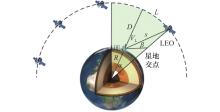
Fig.1
LEO node model"
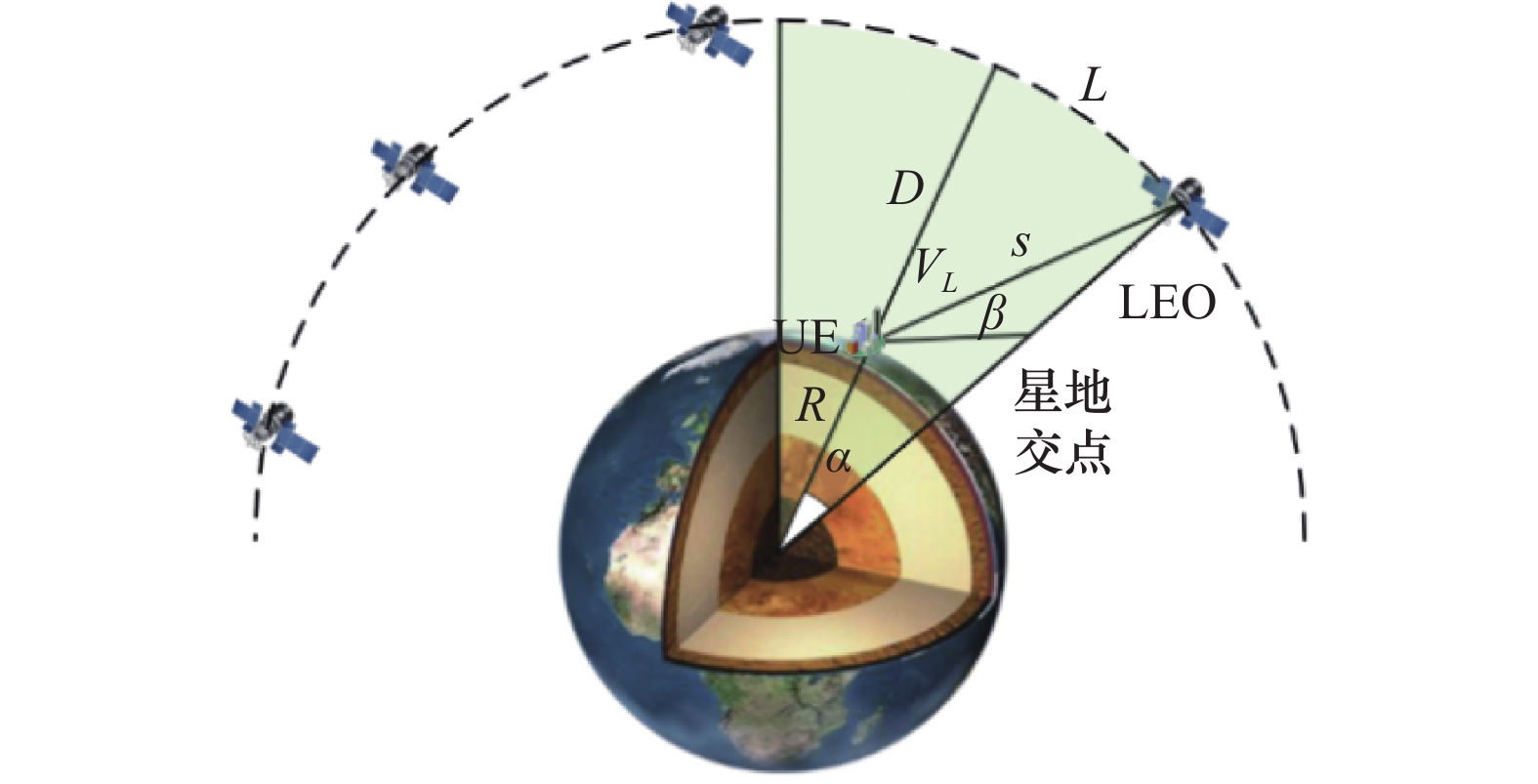
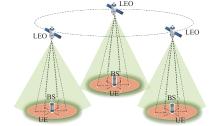
Fig.2
Satellite-ground network collaborative task offloading model"
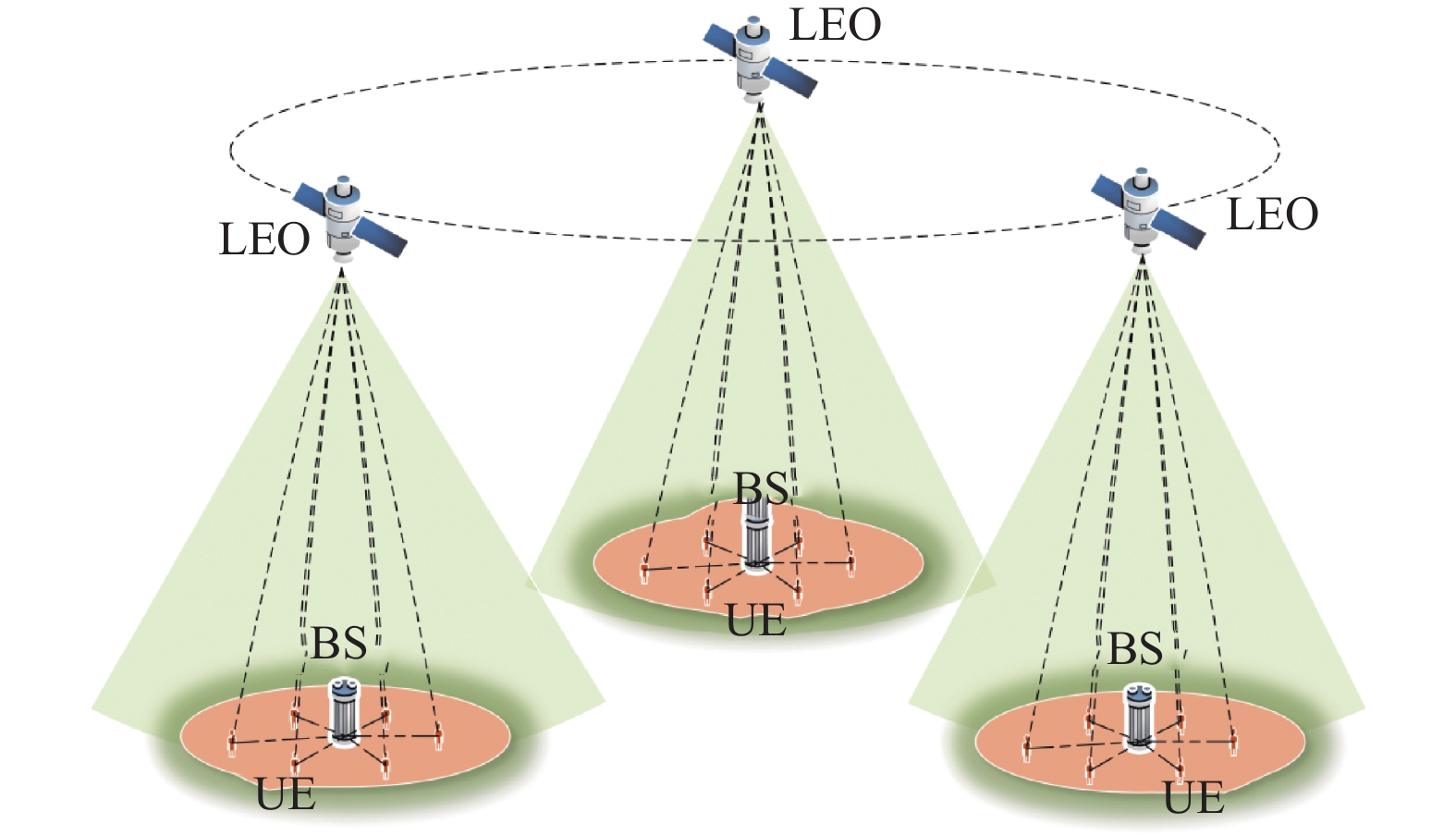
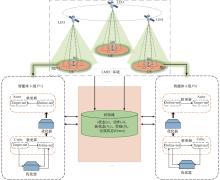
Fig.3
MADDPG algorithm framework in LMEC scenario"

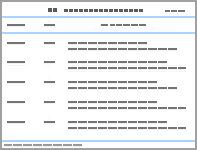
Table 1
Experimental simulation parameter"
| 参数 | 数值 |
| UE数量i | |
| 用户端计算频率 | 0.3 |
| BS计算频率 | 20 |
| LEO计算频率 | 30 |
| BS任务传输速率 | 1.5 |
| LEO任务传输速率 | 15 |
| BS任务传输功率 | 40 |
| LEO任务传输功率 | 630 |
| BS覆盖半径 | 500 |
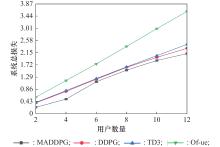
Fig.4
Comparison of delay and energy consumption weighted scene methods"
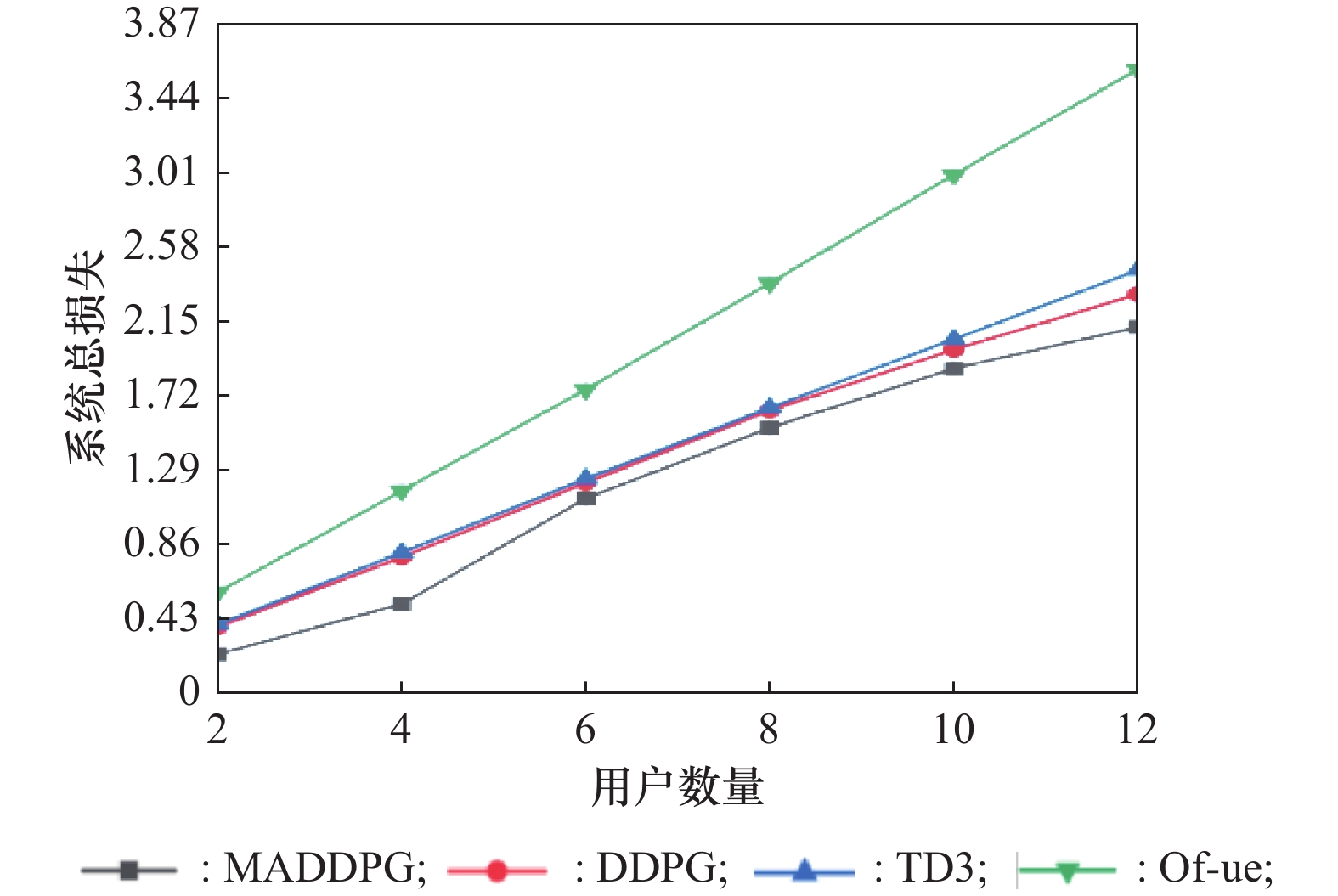
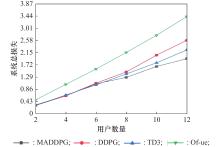
Fig.5
Comparison of methods biased towards delay scenarios"
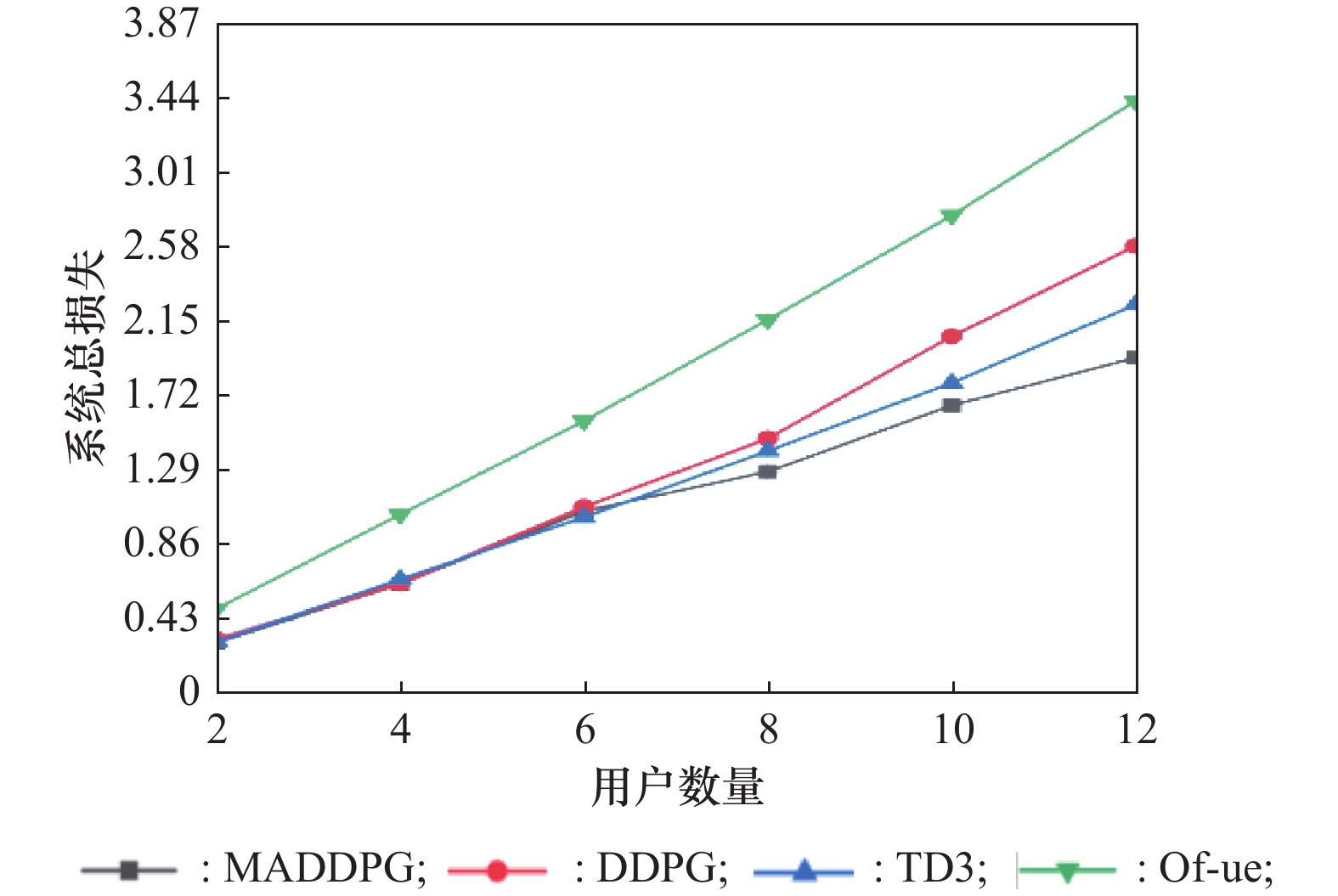
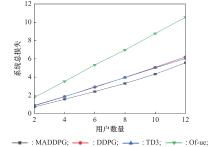
Fig.6
Comparison of methods biased towards energy consumption scenarios"
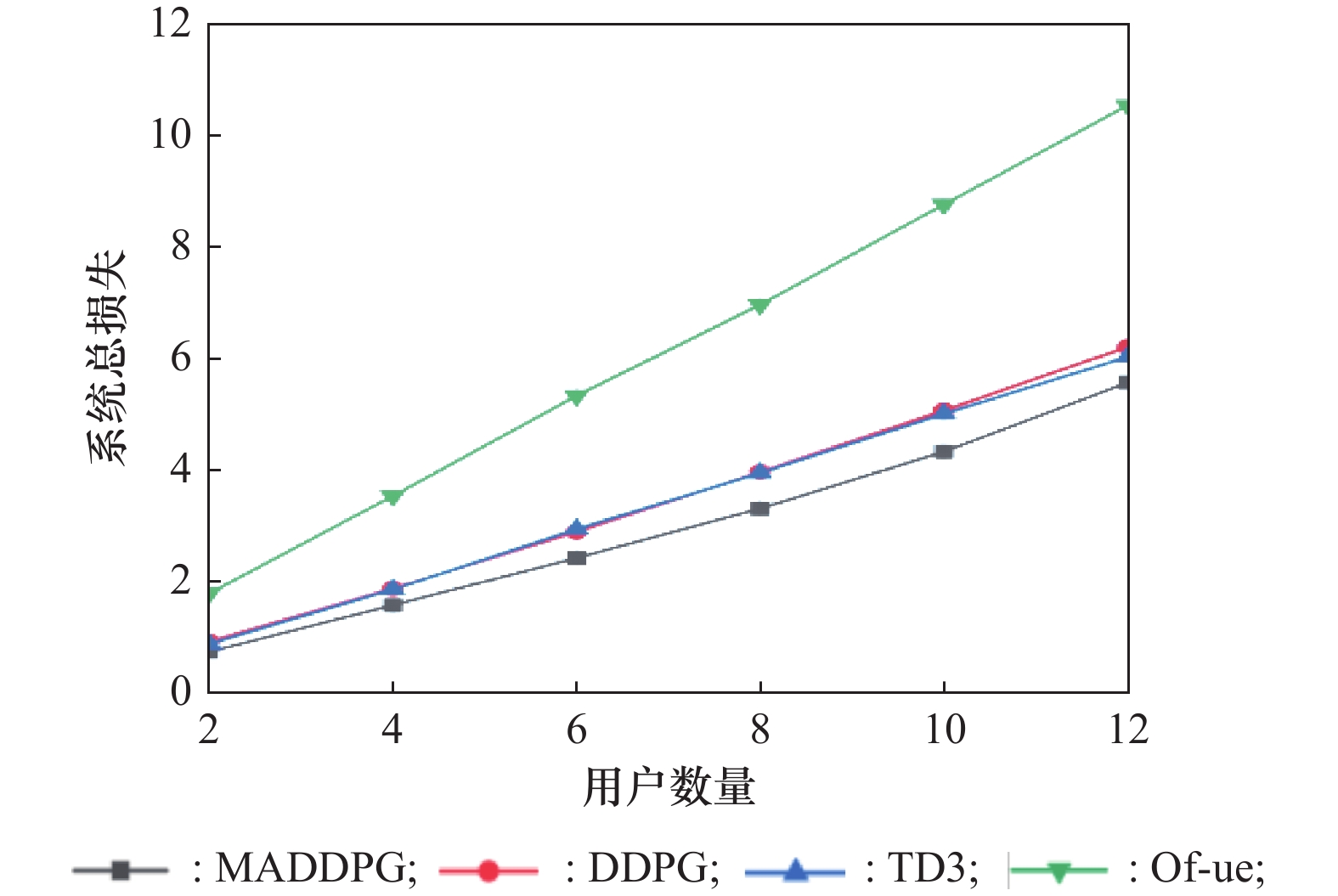
Table 2
Network parameters"
| 参数 | 符号 |
| a | |
| c | |
| Actor网络网络层数 | |
| Critic网络网络层数 | |
| Actor网络神经元数量 | |
| Critic网络神经元数量 | |
| 一次训练取样数据样本数量 | |
| 输出维度 |
Fig.7
Comparison of decision completion time for scenarios with equal weights of latency and energy consumption"
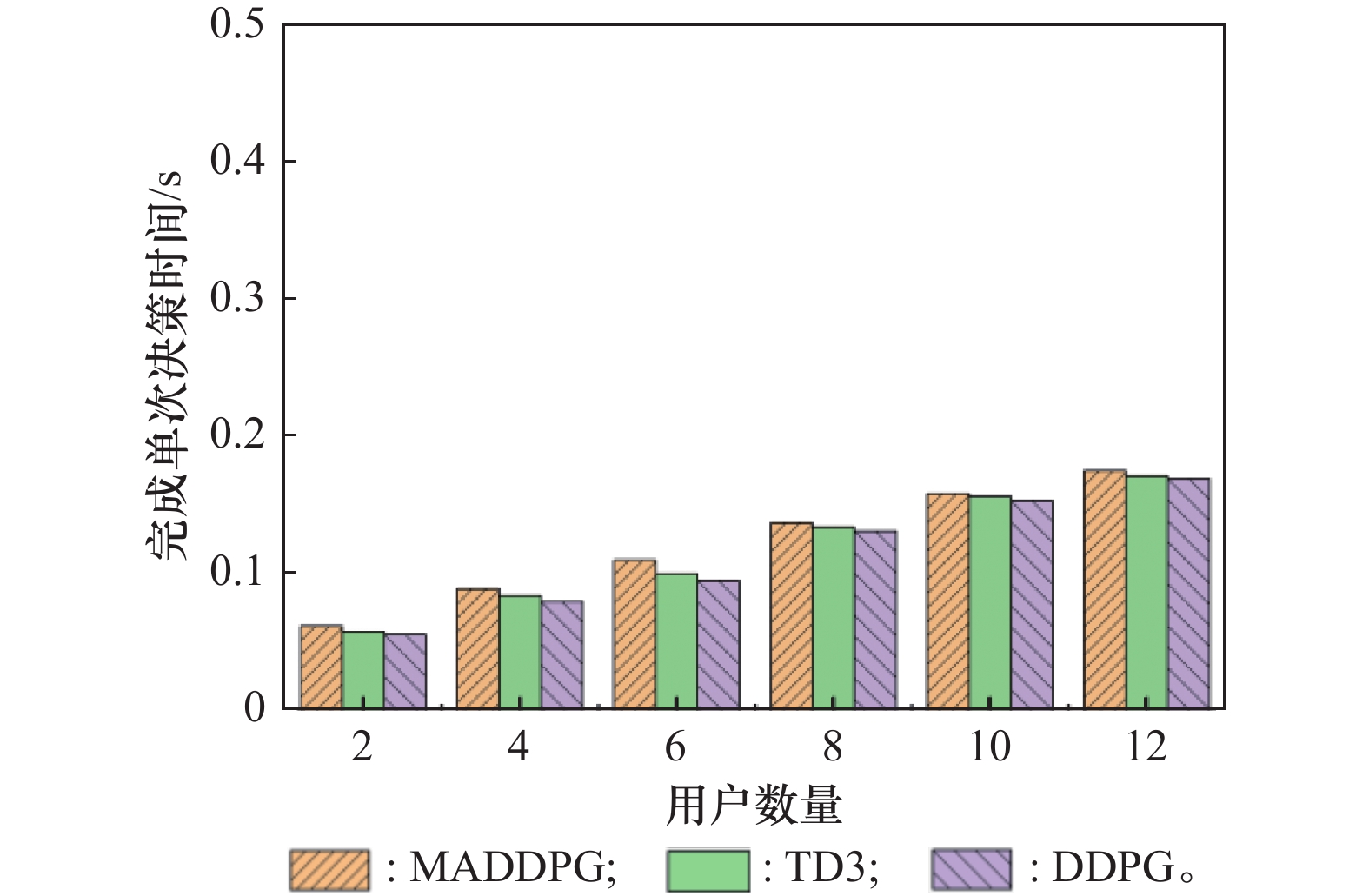
Fig.8
Comparison of decision completion time towards delay scenarios"
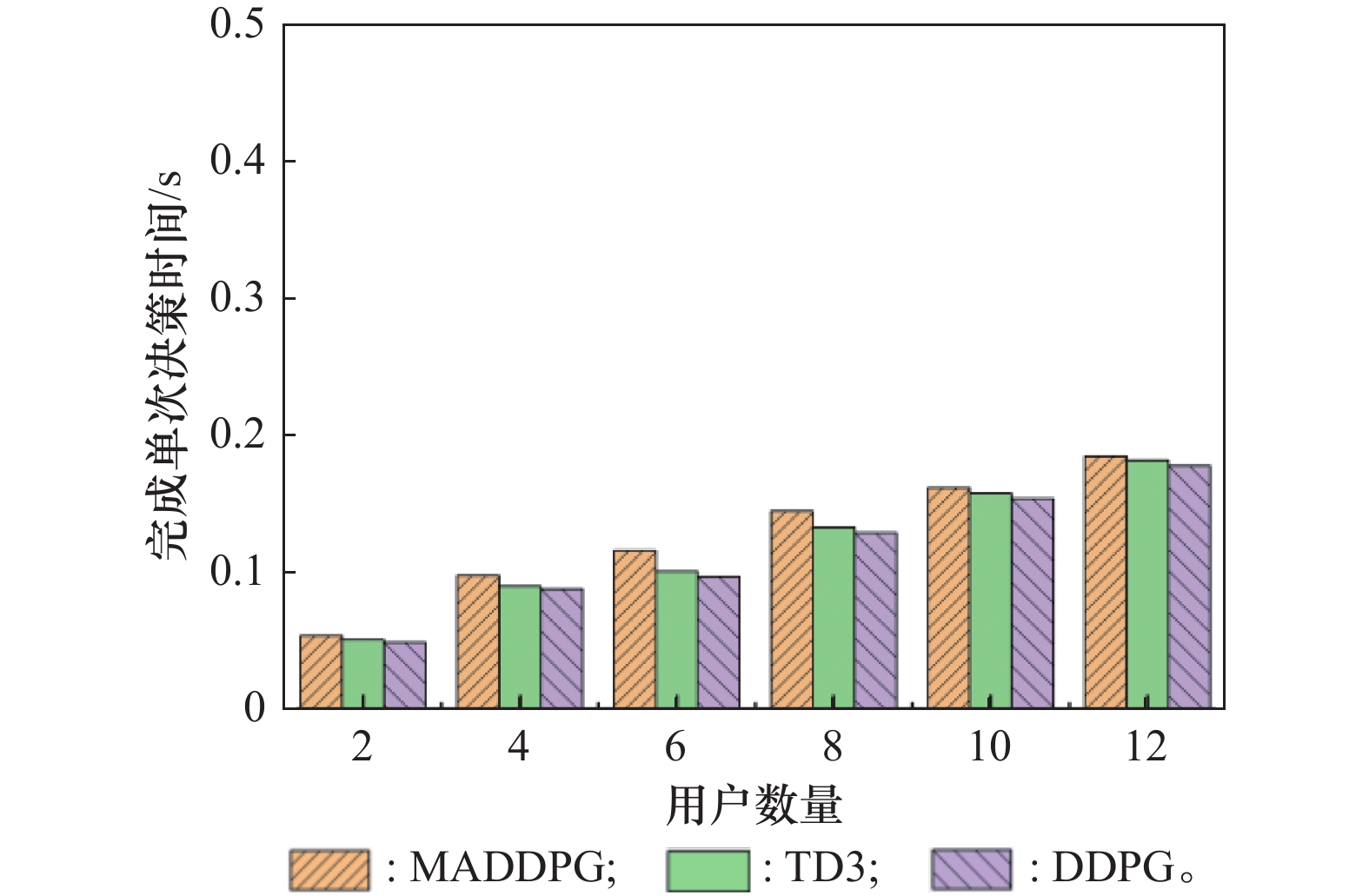
Fig.9
Comparison of decision completion time towards energy consumption scenarios"
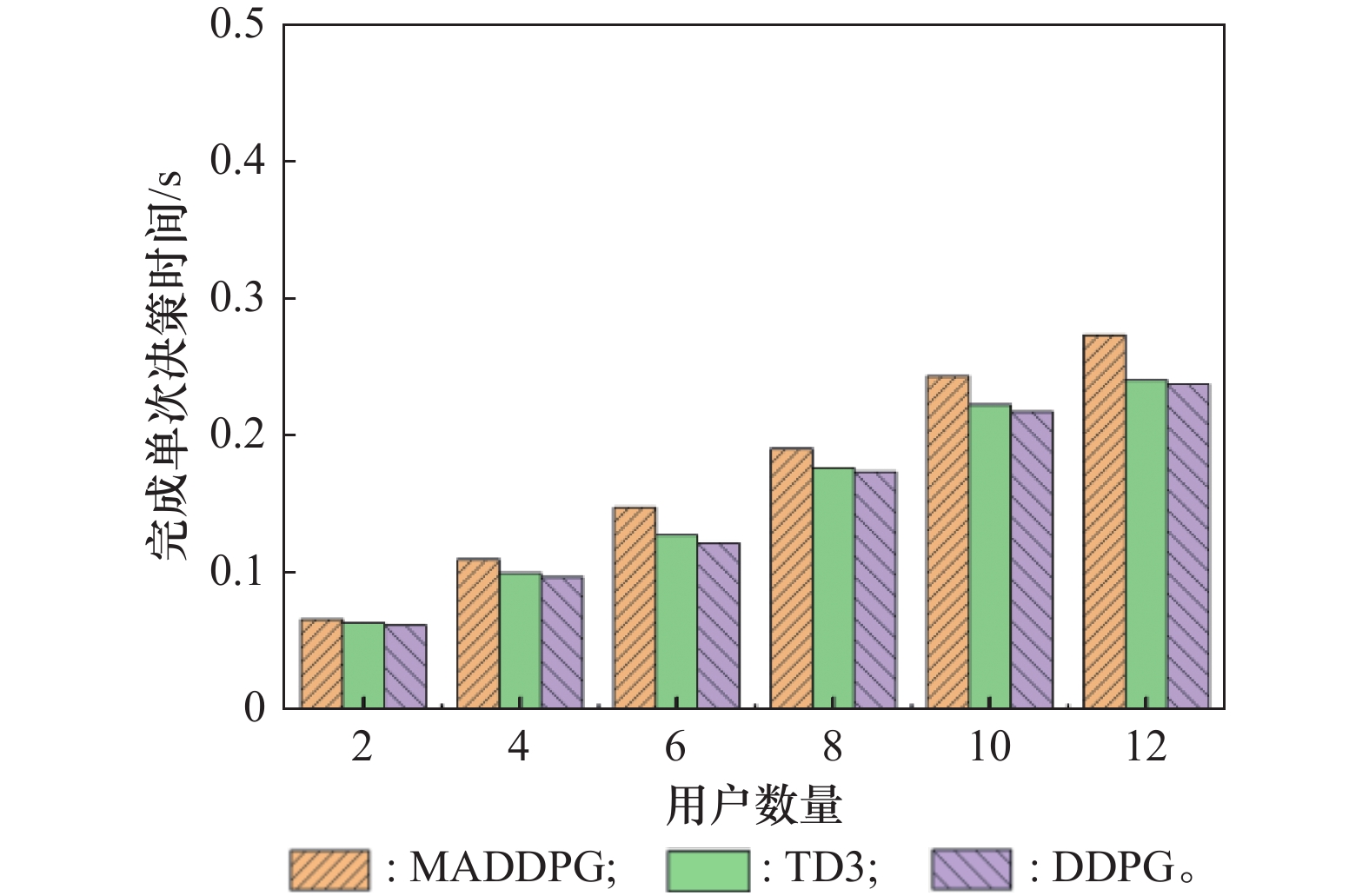
Fig.10
Algorithm performance comparison"
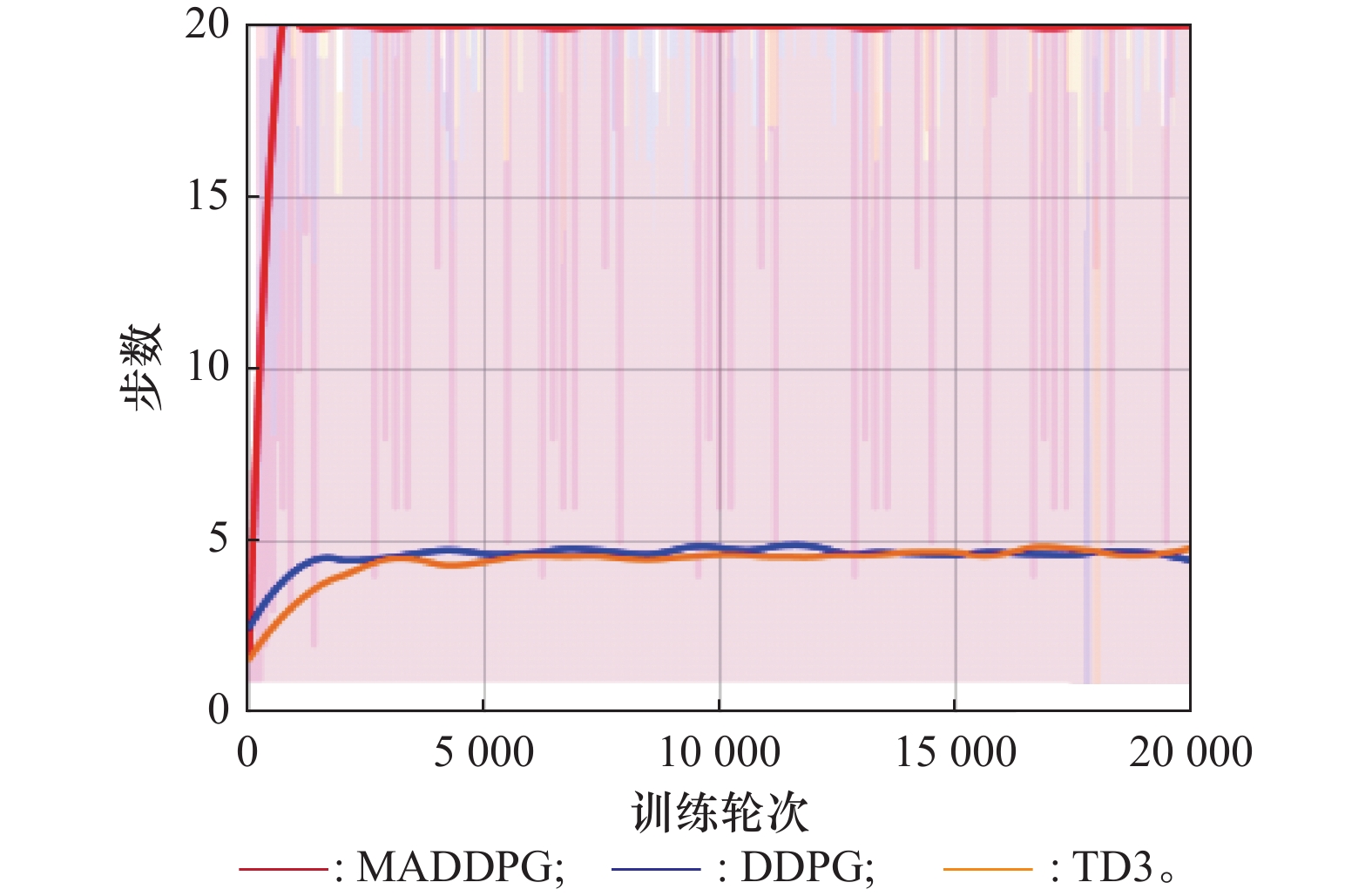
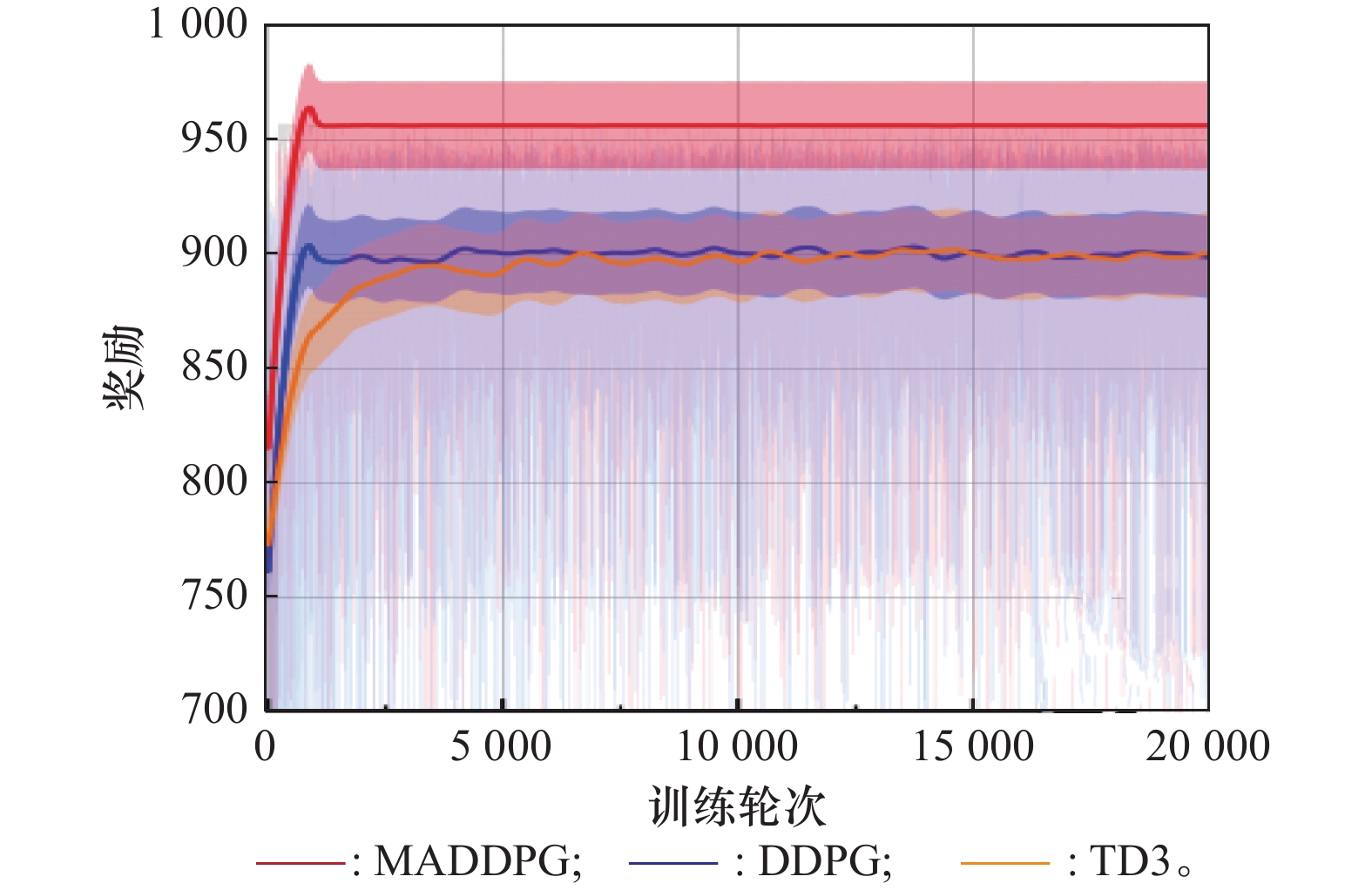
Fig.11
Algorithm reward comparison"
| 1 |
CASONI M, GRAZIA C A, KLAPEZ M, et al. Integration of satellite and LTE for disaster recovery[J]. IEEE Communications Magazine, 2015, 53 (3): 47- 53.
doi: 10.1109/MCOM.2015.7060481 |
| 2 |
FANG J, MA A N. IoT application modules placement and dynamic task processing in edge-cloud computing[J]. IEEE Internet of Things Journal, 2021, 8 (16): 12771- 12781.
doi: 10.1109/JIOT.2020.3007751 |
| 3 | MAO Y Y, YOU C S, ZHANG J , et al. A survey on mobile edge computing: the communication perspective[J]. IEEE Communications Surveys and Tutorials, 2017, 19(4): 2322−2358. |
| 4 |
CHIANG M, ZHANG T. Fog and IoT: an overview of research opportunities[J]. IEEE Internet of Things Journal, 2016, 3 (6): 854- 864.
doi: 10.1109/JIOT.2016.2584538 |
| 5 | RANAWEERA P, JURCUT A, LIYANAGE M. MEC-enabled 5G use cases: a survey on security vulnerabilities and countermeasures[J]. ACM Computing Surveys, 2022, 54 (9): 1- 37. |
| 6 |
SPINELLI F, MANCUSO V. Toward enabled industrial verticals in 5G: a survey on MEC-based approaches to provisioning and flexibility[J]. IEEE Communications Surveys and Tutorials, 2021, 23 (1): 596- 630.
doi: 10.1109/COMST.2020.3037674 |
| 7 | 谢人超, 廉晓飞, 贾庆民, 等. 移动边缘计算卸载技术综述[J]. 通信学报, 2018, 39 (11): 132- 155. |
| XIE R C, LIAN X F, JIA Q M, et al. Survey on computation offloading in mobile edge computing[J]. Journal of Communications, 2018, 39 (11): 132- 155. | |
| 8 | PFANDZELTER T, BERMBACH D. Celestial: virtual software system testbeds for the LEO edge[EB/OL]. [2024-03-29]. https://arxiv.org/obs/2204.06282. |
| 9 |
CHIEN W C, LAI C F, HOSSAIN M S, et al. Heterogeneous space and terrestrial integrated networks for IoT: architecture and challenges[J]. IEEE Network, 2019, 33 (1): 15- 21.
doi: 10.1109/MNET.2018.1800182 |
| 10 |
MOHAMMED A S, VENKATACHALAM K, HUBáLOVSKý S, et al. Smart edge computing for 5G/6G satellite IOT for reducing inter transmission delay[J]. Mobile Networks and Applications, 2022, 27 (3): 1050- 1059.
doi: 10.1007/s11036-021-01860-z |
| 11 | 苏昭阳, 刘留, 艾渤, 等. 面向低轨卫星的星地信道模型综述[J]. 电子与信息学报, 2024, 46(5): 1684−1702. |
| SU Z Y, LIU L, Al B, et al. Survey of satellite-ground channel models for low Earth orbit satellites[J]. Journal of Electronics & Information Technology, 2024, 46(5): 1684−1702. | |
| 12 |
CASSARA P, GOTTA A, MARCHESE M, et al. Orbital edge offloading on mega-LEO satellite constellations for equal access to computing[J]. IEEE Communications Magazine, 2022, 60 (4): 32- 36.
doi: 10.1109/MCOM.001.2100818 |
| 13 | 唐琴琴, 谢人超, 刘旭, 等. 融合MEC的星地协同网络: 架构、关键技术与挑战[J]. 通信学报, 2020, 41 (4): 162- 181. |
| TANG Q Q, XIE R C, LIU X, et al. MEC enabled satellite-terrestrial network: architecture, key technique and challenge[J]. Journal on Communications, 2020, 41 (4): 162- 181. | |
| 14 | REN J K, HE Y H, YU G D, et al. Joint communication and computation resource allocation for cloud-edge collaborative system[C]//Proc. of the IEEE Wireless Communications and Networking Conference , 2019. |
| 15 | WU H Y, DENG S G, LI W, et al. Request dispatching for minimizing service response time in edge cloud systems[C]//Proc. of the 27th International Conference on Computer Communication and Networks , 2018. |
| 16 |
XIE Y, ZHU Y W, WANG Y, et al. A novel directional and non-local-convergent particle swarm optimization based workflow scheduling in cloud-edge environment[J]. Future Generation Computer Systems, 2019, 97, 361- 378.
doi: 10.1016/j.future.2019.03.005 |
| 17 |
TANG Q Q, FEI Z S, LI B, et al. Computation offloading in LEO satellite networks with hybrid cloud and edge computing[J]. IEEE Internet of Things Journal, 2021, 8 (11): 9164- 9176.
doi: 10.1109/JIOT.2021.3056569 |
| 18 |
ZHANG Z J, ZHANG W Y, TSENG F H. Satellite mobile edge computing: improving QoS of high-speed satellite-terrestrial networks using edge computing techniques[J]. IEEE Network, 2019, 33 (1): 70- 76.
doi: 10.1109/MNET.2018.1800172 |
| 19 |
ZHU X M, JIANG C X. Delay optimization for cooperative multi-tier computing in integrated satellite-terrestrial networks[J]. IEEE Journal on Selected Areas in Communications, 2023, 41 (2): 366- 380.
doi: 10.1109/JSAC.2022.3227083 |
| 20 | DONG F H, HUANG T, ZHANG Y S, et al. A computation offloading strategy in LEO constellation edge cloud network[J]. Electronics (Basel), 2022, 11 (13): 2024. |
| 21 | CAO S H, CHEN S, CHEN H, et al. HCOME: research on hybrid computation offloading strategy for MEC based on DDPG[J]. Electronics (Basel), 2023, 12 (3): 562. |
| 22 | HOU Y N, LI L F, WEI Q, et al. A novel DDPG method with prioritized experience replay[C]//Proc. of the IEEE International Conference on Systems, Man, and Cybernetics , 2017: 316–321. |
| 23 |
CHEN W, CHEN Y H, WU J X, et al. A multi-user service migration scheme based on deep reinforcement learning and SDN in mobile edge computing[J]. Physical Communication, 2021, 47, 101397.
doi: 10.1016/j.phycom.2021.101397 |
| 24 |
SONG Z Y, HAO Y, LIU Y Y, et al. Energy-efficient multiaccess edge computing for terrestrial-satellite Internet of Things[J]. IEEE Internet of Things Journal, 2021, 8 (18): 14202- 14218.
doi: 10.1109/JIOT.2021.3068141 |
| 25 |
WANG Y X, YANG J, GUO X Y, et al. A game-theoretic approach to computation offloading in satellite edge computing[J]. Access, 2020, 8, 12510- 12520.
doi: 10.1109/ACCESS.2019.2963068 |
| 26 | LOWE R, WU Y, AVIV T, et al. Multi-agent actor-critic for mixed cooperative-competitive environments[C]//Proc. of the Advances in Neural Information Processing Systems, 2017. |
| 27 |
CAO X L, YANG B, SHEN Y L, et al. Edge-assisted multi-layer offloading optimization of LEO satellite-terrestrial integrated networks[J]. IEEE Journal on Selected Areas in Communications, 2023, 41 (2): 381- 398.
doi: 10.1109/JSAC.2022.3227032 |
| 28 |
LAKEW D S, TRAN A T, DAO N N, et al. Intelligent self-optimization for task offloading in LEO-MEC-assisted energy-harvesting-UAV systems[J]. IEEE Trans. on Network Science and Engineering, 2024, 11 (6): 5135- 5148.
doi: 10.1109/TNSE.2023.3349321 |
| 29 | LILLICRAP T P, HUNT J J, PRITZEL A, et al. Continuous control with deep reinforcement learning[P]. US: 201615217758, 2020-09-15. |
| 30 |
CHEN Y L, AI B, NIU Y, et al. Energy-constrained computation offloading in space-air-ground integrated networks using distributionally robust optimization[J]. IEEE Trans. on Vehicular Technology, 2021, 70 (11): 12113- 12125.
doi: 10.1109/TVT.2021.3116593 |
| [1] | Jinyan XUE, Yasheng ZHANG, Xuefeng TAO, Mingqi YANG, Shuailong ZHAO. Advances in orbital maneuver control for GEO spacecraft [J]. Systems Engineering and Electronics, 2026, 48(1): 290-300. |
| [2] | Xiaolong WEI, Yarong WU, Dengkai YAO, Guhao ZHAO. Hierarchical decision-making algorithm for UAV air combat maneuvering based on deep reinforcement learning [J]. Systems Engineering and Electronics, 2025, 47(9): 2993-3003. |
| [3] | Yundou ZHU, Haiquan SUN, Xiaoxuan HU. Multi-satellite cooperative imaging task planning method based on pointer network architecture [J]. Systems Engineering and Electronics, 2025, 47(7): 2246-2255. |
| [4] | Linzhi MENG, Xiaojuan SUN, Yuxin HU, Bin GAO, Guoqing SUN, Wenhao MU. Reinforcement learning task scheduling algorithm for satellite on-orbit processing [J]. Systems Engineering and Electronics, 2025, 47(6): 1917-1929. |
| [5] | Kangjie ZHENG, Xinyu ZHANG, Weisong WANG, Zhensheng LIU. Intelligent ship dynamic autonomous obstacle avoidance decision based on DQN and rule [J]. Systems Engineering and Electronics, 2025, 47(6): 1994-2001. |
| [6] | Shuhan LIU, Tong LI, Fuqiang LI, Chungang YANG. Intent and situation-dual driven anti-jamming communication mechanism for data link [J]. Systems Engineering and Electronics, 2025, 47(6): 2055-2064. |
| [7] | Wei XIONG, Dong ZHANG, Zhi REN, Shuheng YANG. Research on intelligent decision-making methods for coordinated attack by manned aerial vehicles and unmanned aerial vehicles [J]. Systems Engineering and Electronics, 2025, 47(4): 1285-1299. |
| [8] | Peng MA, Rui JIANG, Bin WANG, Mengfei XU, Changbo HOU. Strategy reconstruction for resilience against intelligence jamming based on implicit opponent modeling [J]. Systems Engineering and Electronics, 2025, 47(4): 1355-1363. |
| [9] | Shujia PAN, Siguang CHEN. Communication-efficient decentralized federated learning with resource heterogeneity [J]. Systems Engineering and Electronics, 2025, 47(4): 1374-1383. |
| [10] | Kaiqiang TANG, Huiqiao FU, Jiasheng LIU, Guizhou DENG, Chunlin CHEN. Hierarchical optimization research of constrained vehicle routing based on deep reinforcement learning [J]. Systems Engineering and Electronics, 2025, 47(3): 827-841. |
| [11] | Xiarong CHEN, Jichao LI, Gang CHEN, Peng LIU, Jiang JIANG. Portfolio of weapon system-of-systems based on heterogeneous information networks [J]. Systems Engineering and Electronics, 2025, 47(3): 855-861. |
| [12] | Yang LIU, Fanyi MENG, Gang CHEN. Reinforcement learning based disturbance rejection compensation control method for morphing aircraft [J]. Systems Engineering and Electronics, 2025, 47(12): 4130-4142. |
| [13] | Yaozhong ZHANG, Zhuoran WU, Jiandong ZHANG, Qiming YANG, Guoqing SHI, Zixiang XU. UAV many-to-one pursuit-evasion game based on ME-DDPG algorithm [J]. Systems Engineering and Electronics, 2025, 47(10): 3288-3299. |
| [14] | Dong SUI, Xiangrong CAI. Continual learning mechanism for intelligent flight conflict resolution algorithm [J]. Systems Engineering and Electronics, 2025, 47(10): 3300-3312. |
| [15] | Tingyu ZHANG, Ying ZENG, Nan LI, Hongzhong HUANG. Spacecraft power-signal composite network optimization algorithm based on DRL [J]. Systems Engineering and Electronics, 2024, 46(9): 3060-3069. |
| Viewed | ||||||
|
Full text |
|
|||||
|
Abstract |
|
|||||