Systems Engineering and Electronics ›› 2026, Vol. 48 ›› Issue (1): 1-11.doi: 10.12305/j.issn.1001-506X.2026.01.01
• Electronic Technology • Previous Articles Next Articles
Counter-anti-radiation method method using distributed radiation source blinking decoy
Zhikang LIN( ), Jialei LIU, Jiazhi MA, Longfei SHI, Jinbao XU
- College of Electronic Science and Technology,National University of Defense Technology,Changsha 410073,China
-
Received:2024-11-13Online:2026-01-25Published:2026-02-11 -
Contact:Jialei LIU E-mail:z_k.kang@nudt.edu.cn

CLC Number:
Cite this article
Zhikang LIN, Jialei LIU, Jiazhi MA, Longfei SHI, Jinbao XU. Counter-anti-radiation method method using distributed radiation source blinking decoy[J]. Systems Engineering and Electronics, 2026, 48(1): 1-11.
share this article
Fig.1
Overall flow chart of the proposed method"
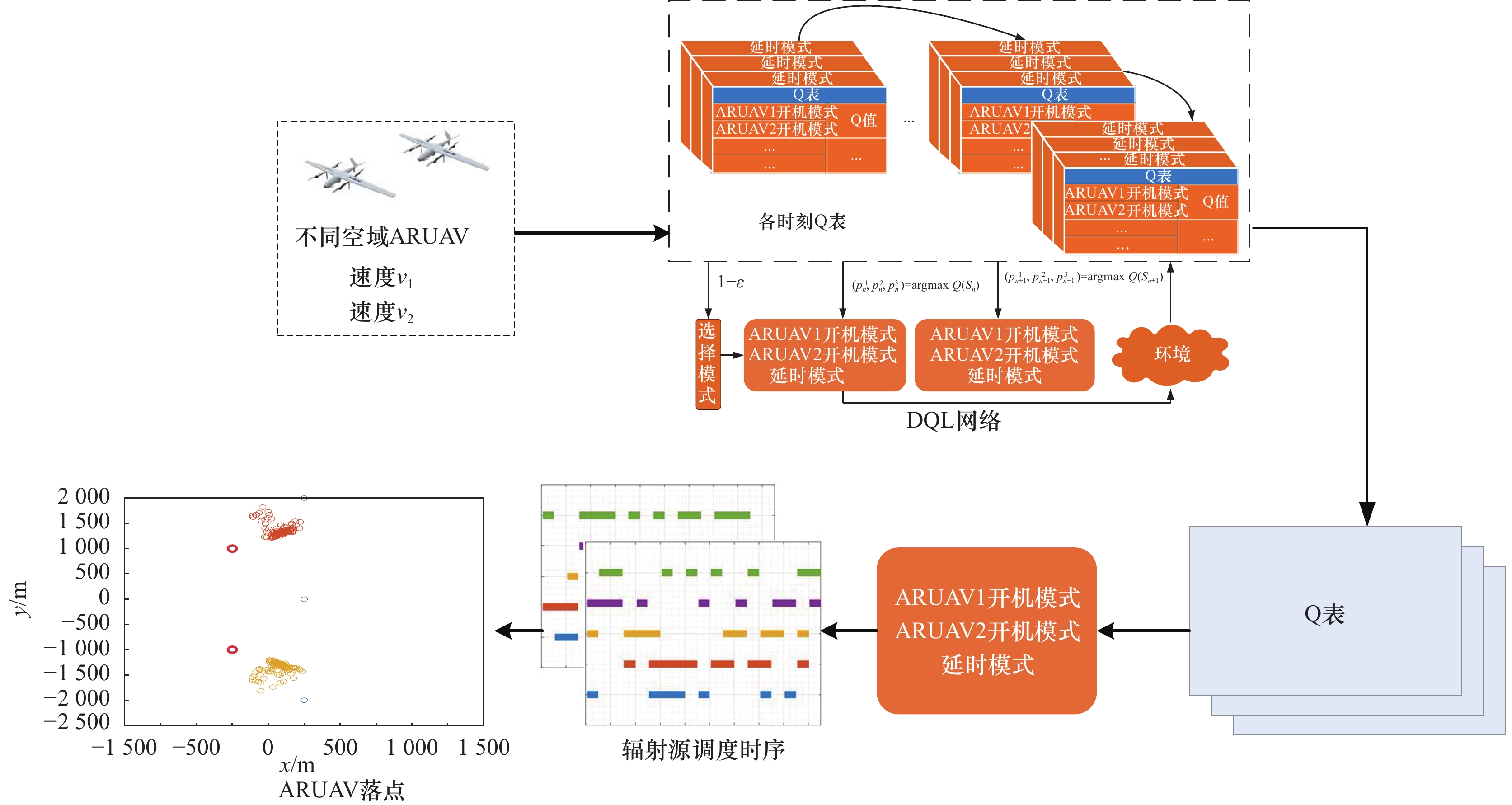
Fig.2
Schematic diagram of angle measurement by cross long and short baseline interferometer"
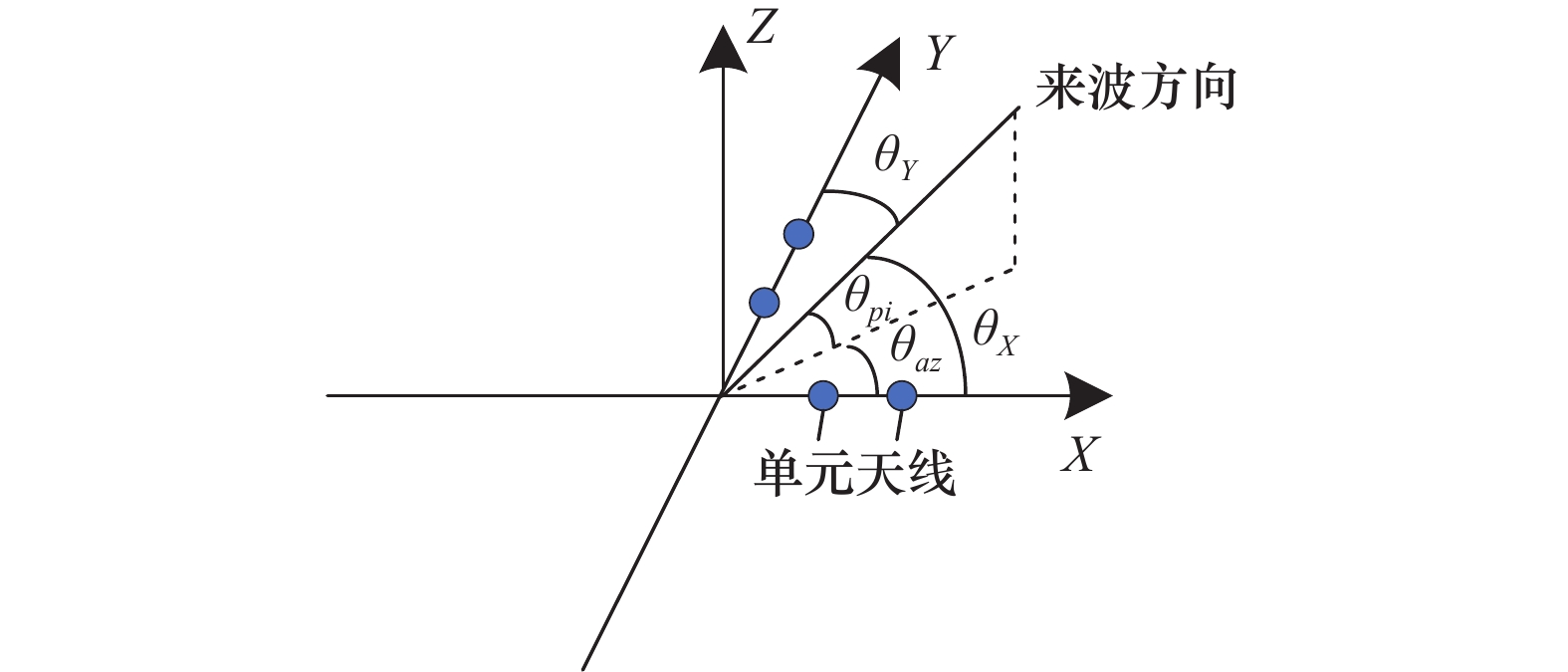
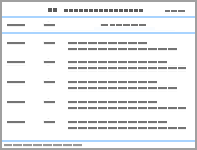
Table 1
Radiation source power-on mode table"
| 模式 | 辐射源1 | 辐射源2 | 辐射源3 | 辐射源4 | 辐射源5 |
| 1 | 1 | 1 | 0 | 0 | 0 |
| 2 | 1 | 0 | 0 | 1 | 0 |
| 3 | 0 | 1 | 1 | 0 | 0 |
| 4 | 0 | 1 | 0 | 0 | 1 |
| 5 | 0 | 0 | 1 | 1 | 0 |
| 6 | 0 | 0 | 0 | 1 | 1 |
| 7 | 0 | 0 | 1 | 1 | 1 |
| 8 | 0 | 1 | 1 | 0 | 1 |
| 9 | 1 | 0 | 0 | 1 | 1 |
| 10 | 1 | 0 | 1 | 1 | 0 |
| 11 | 1 | 1 | 0 | 0 | 1 |
| 12 | 1 | 1 | 1 | 0 | 0 |
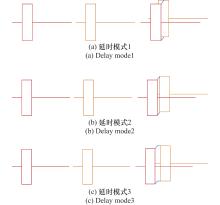
Fig.3
Intra-pulse composite signals in different delayed modes"
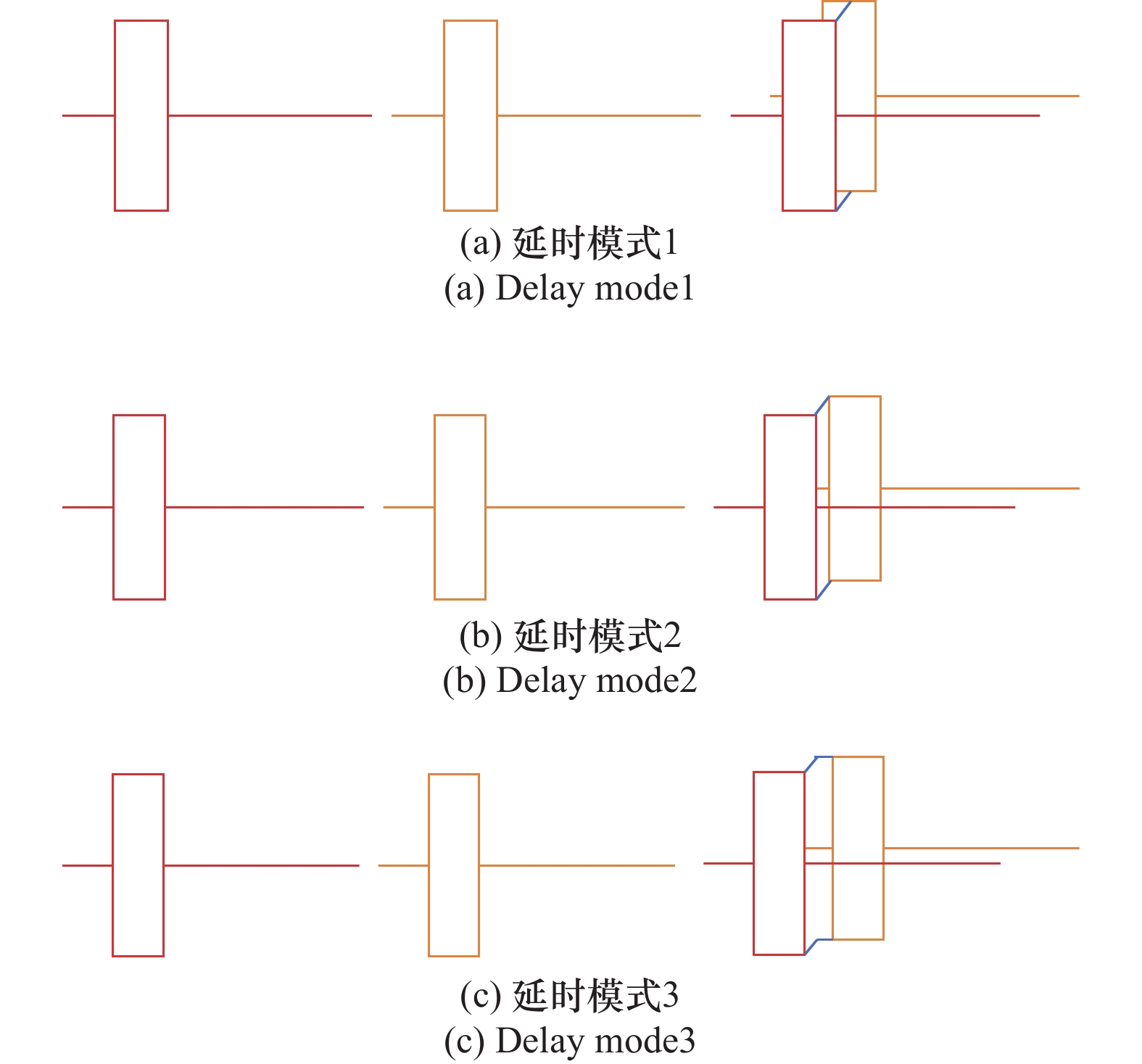
Table 2
Angle measurement results of interferometers in different delay modes"
| 模式 | 辐射源编号 | 方位角/(°) | 俯仰角/(°) |
| — | 1 | 42.709 4 | 21.586 9 |
| — | 2 | 42.878 9 | 20.122 7 |
| 延时模式1 | 1, 2 | 44.972 9 | 37.701 0 |
| 延时模式2 | 1, 2 | 44.429 8 | 24.643 8 |
| 延时模式3 | 1, 2 | 44.886 0 | 47.835 1 |
Table 3
Parameter settings for delay analysis"
| 参数 | 数值 |
| 采样频率/MHz | 150 |
| 脉宽/μs | 100 |
| 载频/GHz | 3 |
| 辐射源1坐标/m | [1 000, 2 000, 0] |
| 辐射源2坐标/m | [0, 1 000, 0] |
| ARUAV位置点/×103m | [14, 14, 7] |
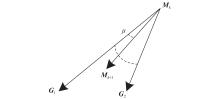
Fig.4
ARUAV motion adjustment diagram"
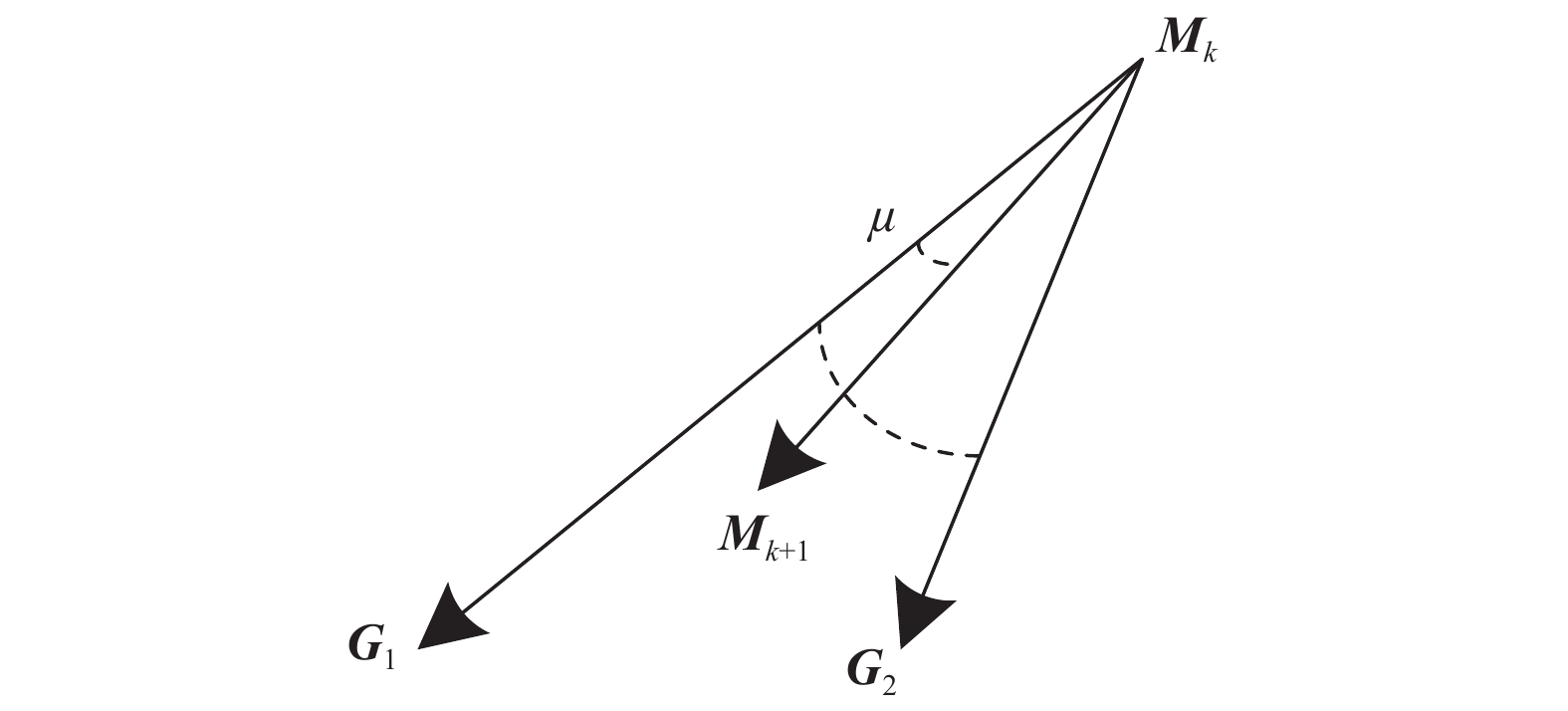
Fig.5
Schematic diagram of ARUAV attack target"
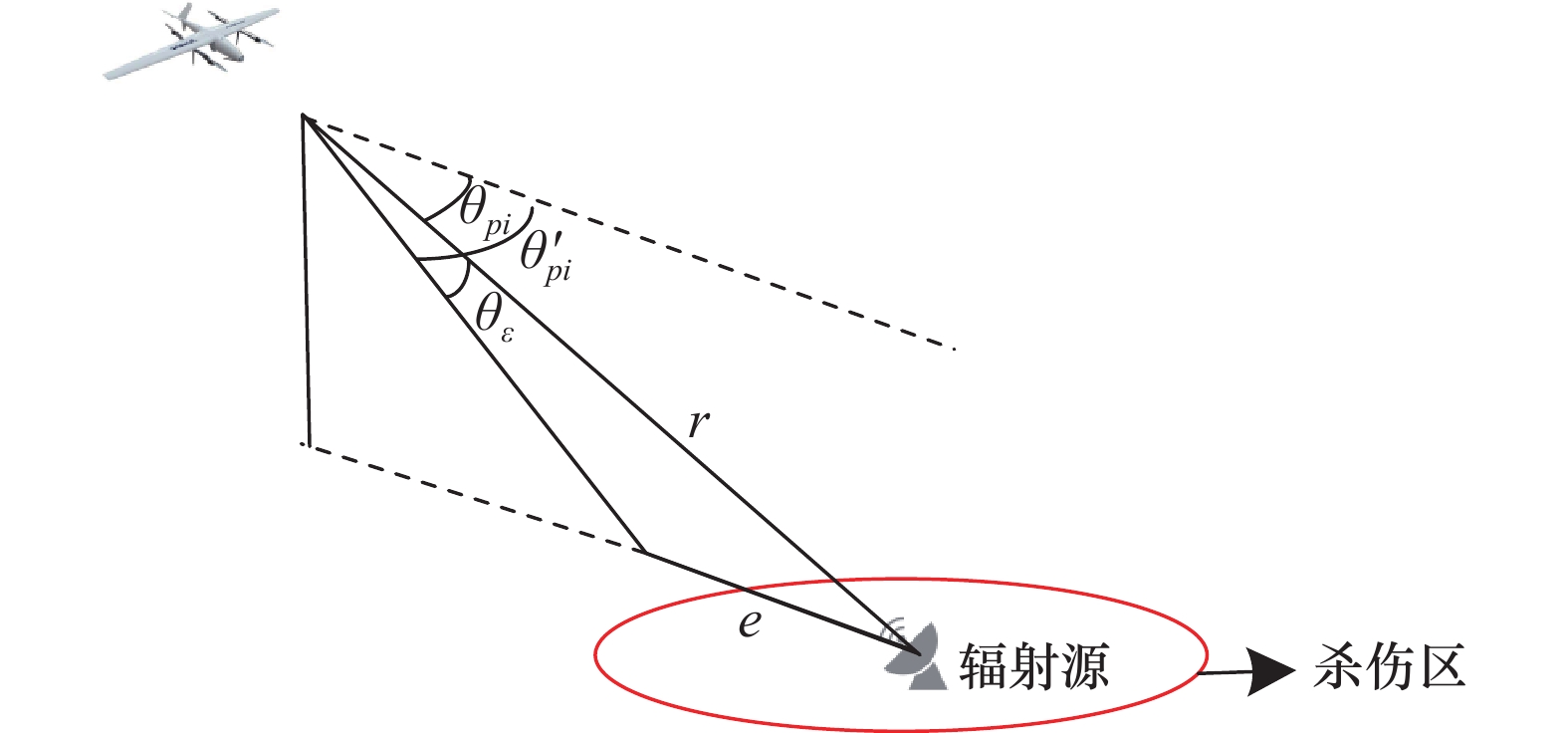
Table 4
Power-on mode transfer discriminant matrix"
| 模式 | |||||||||||||
| 1 | 2 | 3 | 4 | 5 | 6 | 7 | 8 | 9 | 10 | 11 | 12 | ||
| 模式 | 1 | 0 | 0 | 0 | 0 | 1 | 1 | 1 | 0 | 0 | 0 | 0 | 0 |
| 2 | 0 | 0 | 1 | 1 | 0 | 0 | 0 | 1 | 0 | 0 | 0 | 0 | |
| 3 | 0 | 1 | 0 | 0 | 0 | 1 | 0 | 0 | 1 | 0 | 0 | 0 | |
| 4 | 0 | 1 | 0 | 0 | 1 | 0 | 0 | 0 | 0 | 1 | 0 | 0 | |
| 5 | 1 | 0 | 0 | 1 | 0 | 0 | 0 | 0 | 0 | 0 | 1 | 0 | |
| 6 | 1 | 0 | 1 | 0 | 0 | 0 | 0 | 0 | 0 | 0 | 0 | 1 | |
| 7 | 1 | 0 | 0 | 0 | 0 | 0 | 0 | 0 | 0 | 0 | 0 | 0 | |
| 8 | 0 | 1 | 0 | 0 | 0 | 0 | 0 | 0 | 0 | 0 | 0 | 0 | |
| 9 | 0 | 0 | 1 | 0 | 0 | 0 | 0 | 0 | 0 | 0 | 0 | 0 | |
| 10 | 0 | 0 | 0 | 1 | 0 | 0 | 0 | 0 | 0 | 0 | 0 | 0 | |
| 11 | 0 | 0 | 0 | 0 | 1 | 0 | 0 | 0 | 0 | 0 | 0 | 0 | |
| 12 | 0 | 0 | 0 | 0 | 0 | 1 | 0 | 0 | 0 | 0 | 0 | 0 | |
Fig.6
Flow chart of DQL algorithm"
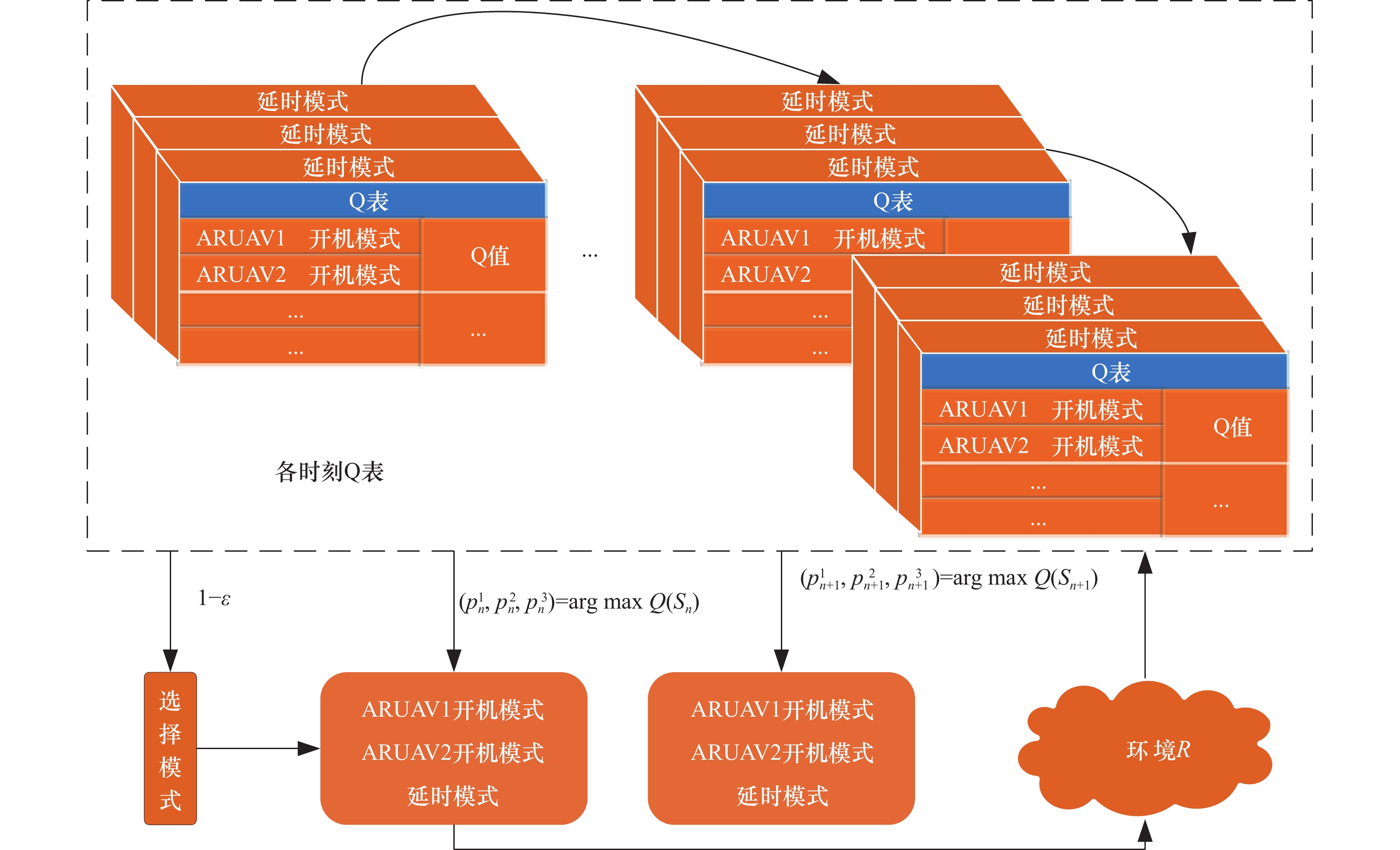
Fig.7
Simulation scene"
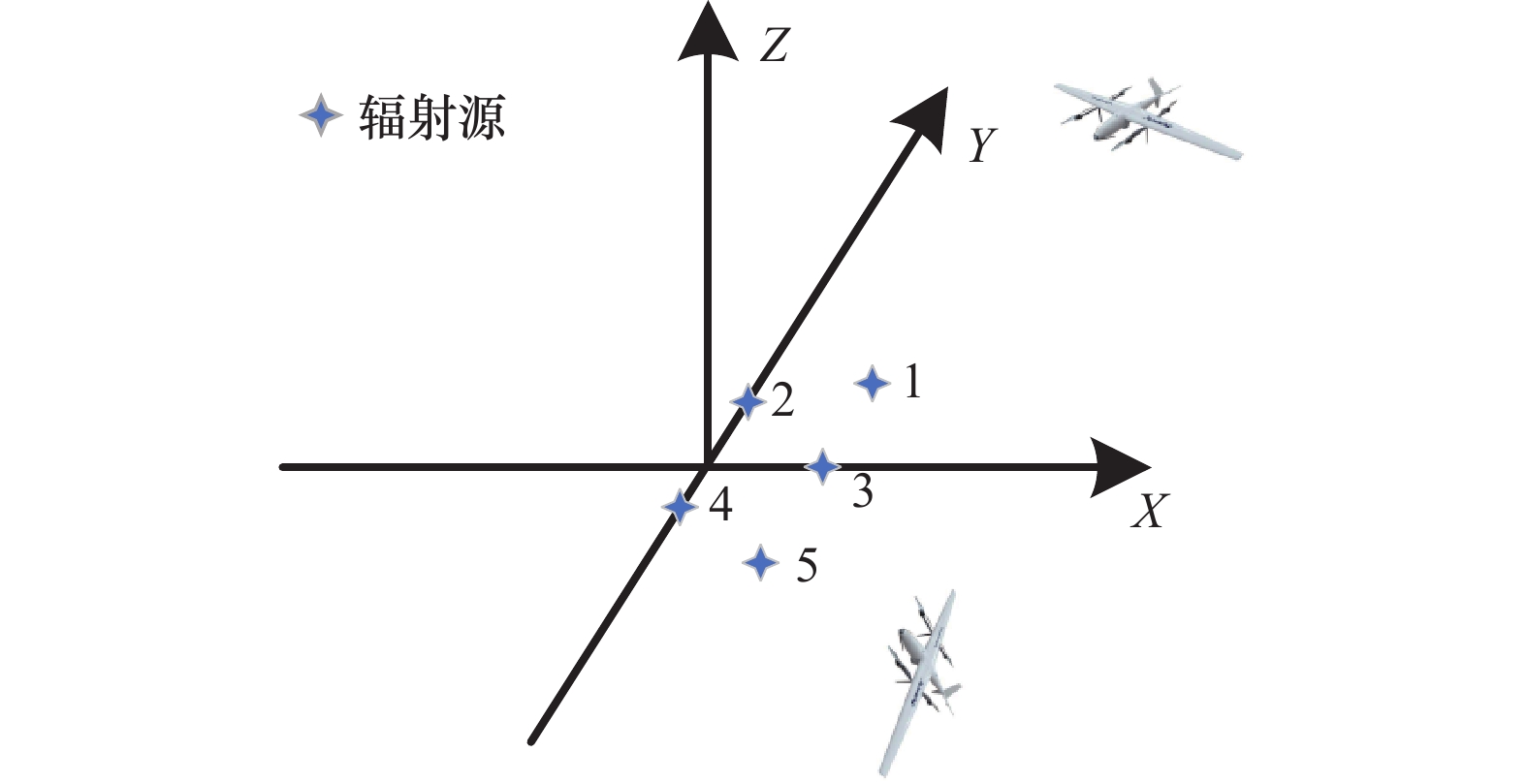
Table 5
ARUAV parameter"
| 参数 | 数值 |
| 干涉仪短基线长度 | |
| 干涉仪长基线长度 | |
| 采样门限 | |
| 采样频率/MHz | 150 |
| ARUAV1发射空域/×103 m | [13,15], [13,15],[6,8] |
| ARUAV2发射空域/×103 m | [13,15],−[13,15],[6,8] |
| ARUAV速度/马赫 | 3~4 |
Table 6
Radiation sources parameters"
| 参数 | 数值 |
| 脉宽/μs | 100 |
| 占空比/% | 20, 10 |
| 载频/GHz | 3 |
| 辐射源1坐标/m | [ |
| 辐射源2坐标/m | [0, |
| 辐射源3坐标/m | [ |
| 辐射源4坐标/m | [0, − |
| 辐射源5坐标/m | [ |
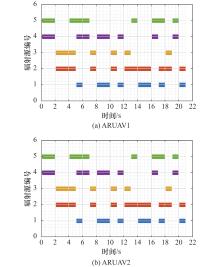
Fig.8
Timing diagram of radiation sources scheduling in different ARUAVs"

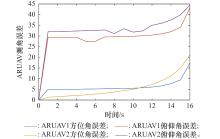
Fig.9
Variation curve of ARUAV angle measurement error"
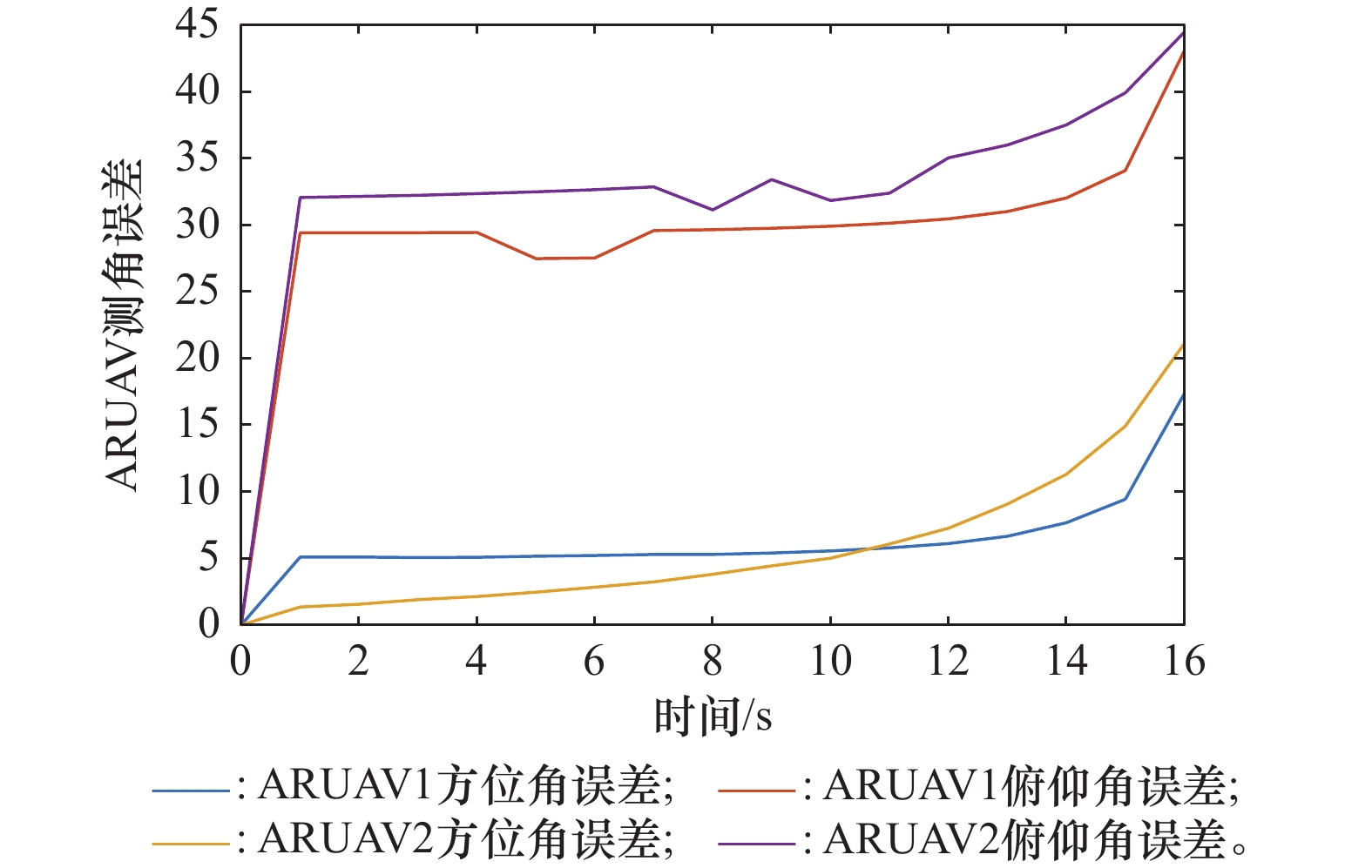
Table 7
Time-scheduling for delayed radiation"
| 序号 | 辐射源1 | 辐射源2 | 辐射源3 | 辐射源4 | 辐射源5 |
| 1 | 关机 | 开机② | 延时 | 开机① | 延时 |
| 2 | 开机② | 延时 | 关机 | 开机① | 延时 |
| 3 | 关机 | 开机① | 延时 | 开机② | 延时 |
| 4 | 开机② | 开机① | 延时 | 延时 | 关机 |
| 5 | 开机② | 开机① | 延时 | 延时 | 延时 |
| 6 | 开机① | 开机② | 延时 | 延时 | 延时 |
| 7 | 开机② | 延时 | 关机 | 开机① | 延时 |
| 8 | 开机② | 开机① | 延时 | 延时 | 延时 |
| 9 | 开机① | 开机② | 关机 | 延时 | 延时 |
| 10 | 开机① | 开机② | 延时 | 延时 | 延时 |
| 11 | 开机② | 开机① | 延时 | 延时 | 延时 |
| 12 | 开机① | 开机② | 延时 | 延时 | 关机 |
| 13 | 关机 | 开机① | 延时 | 开机② | 延时 |
| 14 | 关机 | 开机① | 开机② | 延时 | 延时 |
| 15 | 开机① | 延时 | 开机② | 延时 | 关机 |
| 16 | 开机① | 延时 | 开机② | 延时 | 关机 |
| 17 | 关机 | 开机② | 延时 | 开机① | 延时 |
| 18 | 开机① | 延时 | 开机② | 延时 | 延时 |
| 19 | 开机② | 开机① | 延时 | 延时 | 关机 |
| 20 | 关机 | 开机② | 延时 | 开机① | 延时 |
| 21 | 开机① | 延时 | 开机② | 延时 | 关机 |
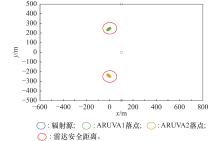
Fig.10
Drop point without decoy"
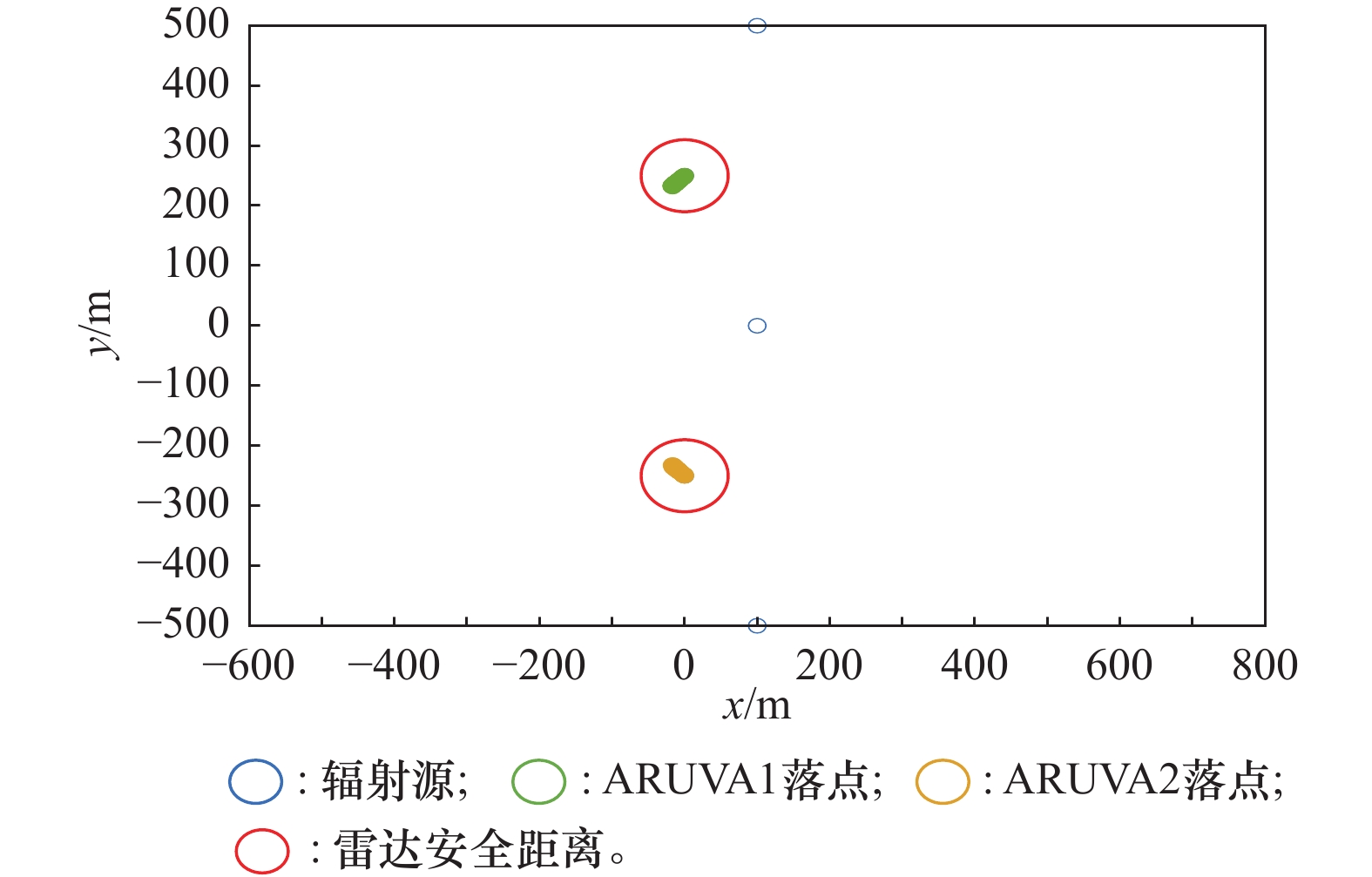
Fig.11
Drop point with traditional deployment decoy"
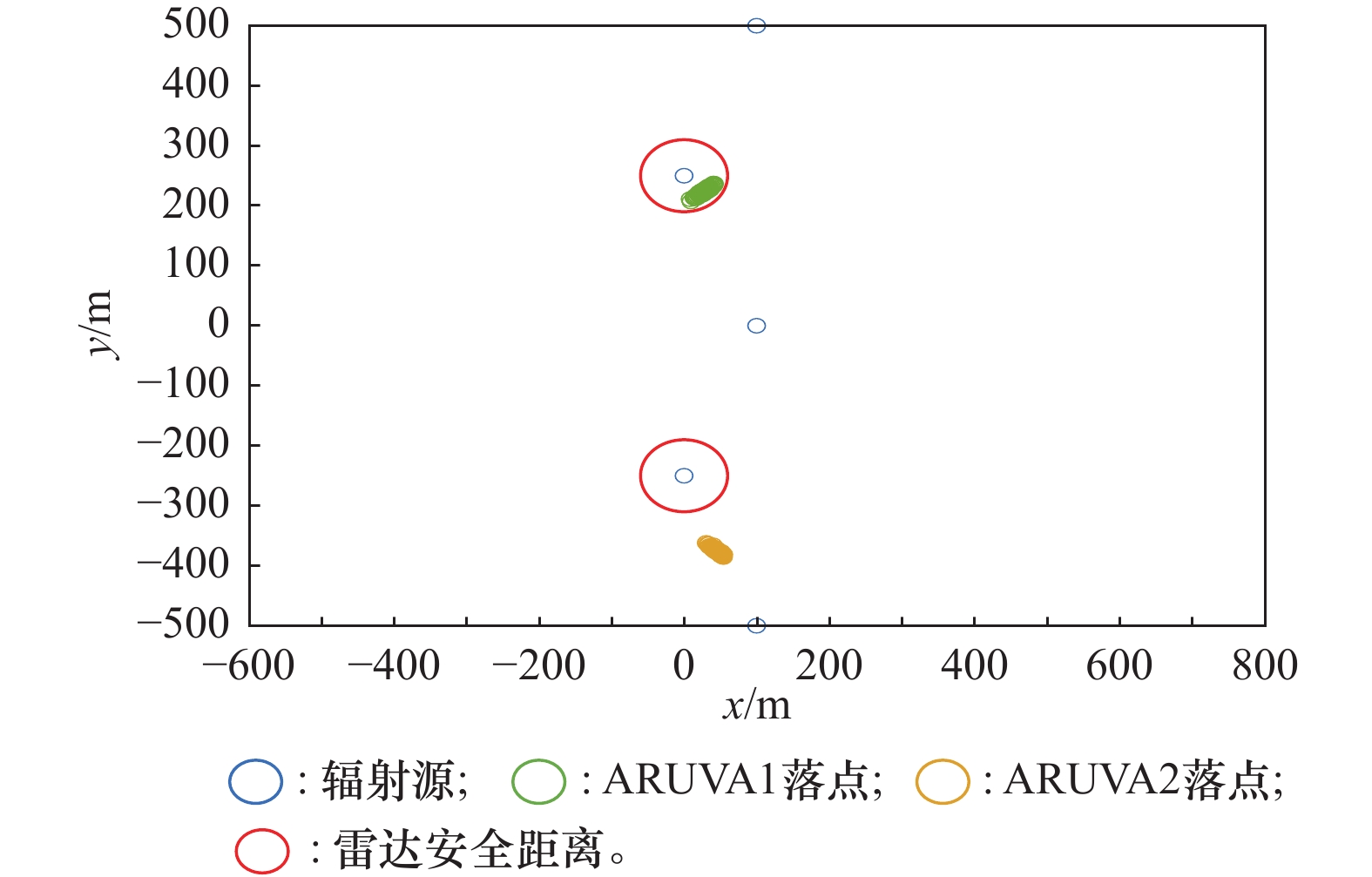
Fig.12
Drop point with deployment decoy in this paper"
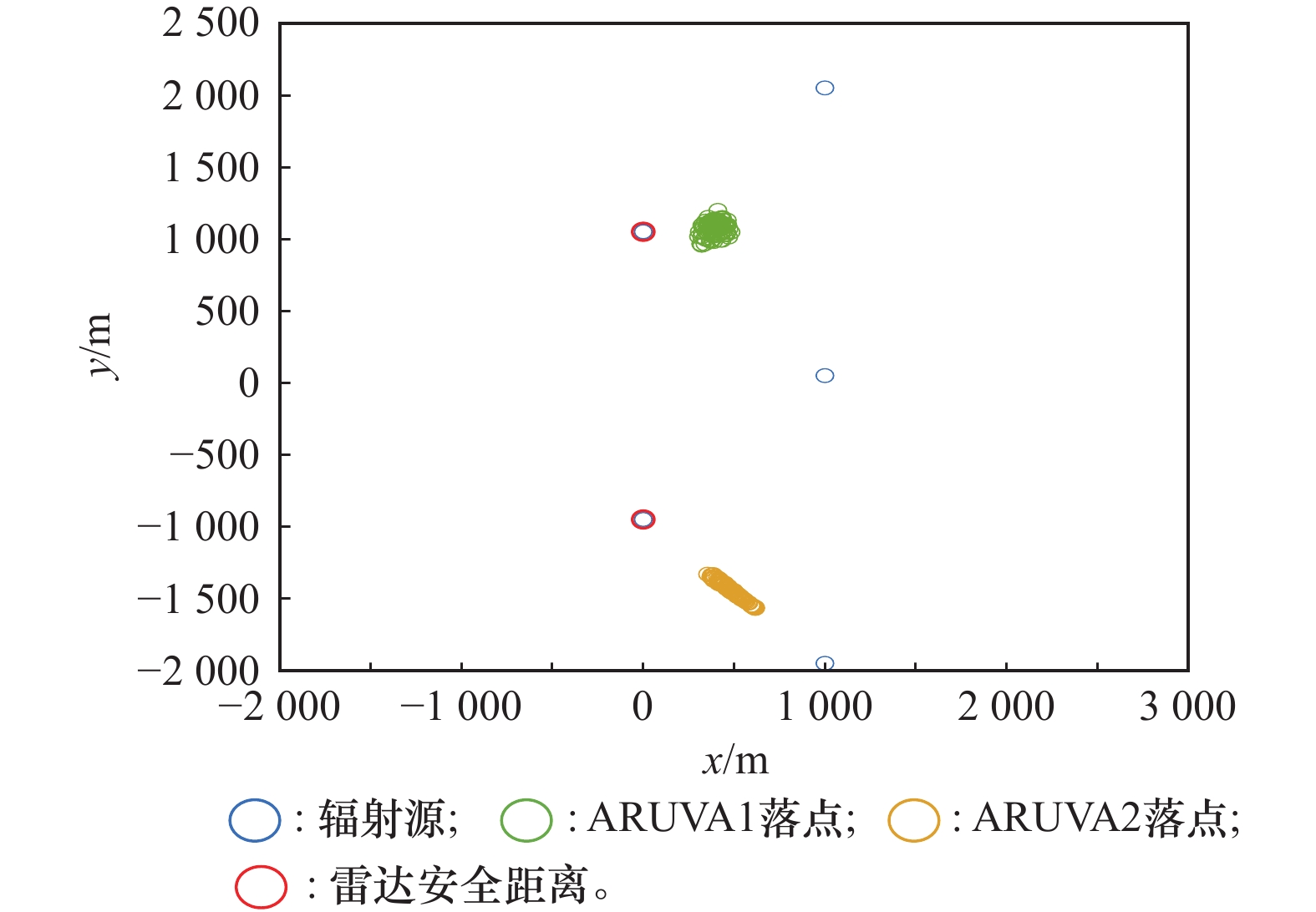
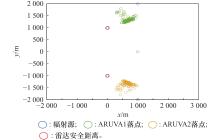
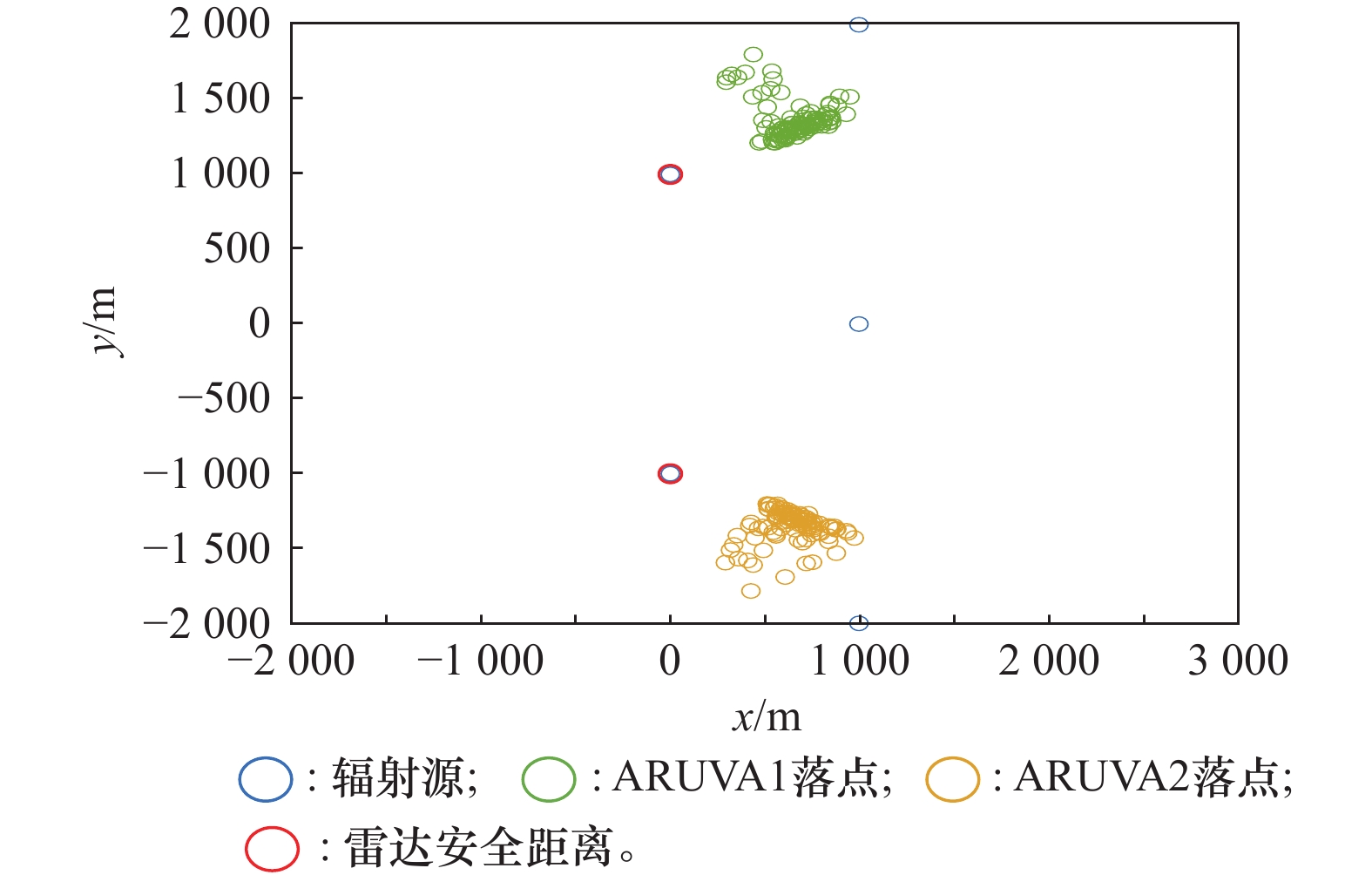
Fig.13
Drop point with decoy of the proposed method"
| 1 |
FONTANA S, DI LAURO F. An overview of sensors for long range missile defense[J]. Sensors, 2022, 22 (24): 9871.
doi: 10.3390/s22249871 |
| 2 | 易伟, 袁野, 刘光宏, 等. 多雷达协同探测技术研究进展: 认知跟踪与资源调度算法[J]. 雷达学报, 2023, 12 (3): 471- 499. |
| YI W, YUAN Y, LIU G H, et al. Recent advances in multi-radar collaborative surveillance: cognitive tracking and resource scheduling algorithms[J]. Journal of Radars, 2023, 12 (3): 471- 499. | |
| 3 | 齐铖, 谢军伟, 张浩为, 等. 基于防空目标探测与跟踪的雷达资源管理技术研究综述[J]. 信号处理, 2024, 40 (11): 1972- 1989. |
| QI C, XIE J W, ZHANG H W, et al. Review of radar resource management technology for air defense target detection and tracking[J]. Journal of Signal Processing, 2024, 40 (11): 1972- 1989. | |
| 4 | ZOU J B, GAO K, ZHANG E Y. Research on electromagnetic scattering characteristics of anti-radiation missile[C]//Proc. of the 3rd International Conference on Communication Software and Networks, 2011: 470−473. |
| 5 | NERI F. Introduction to electronic defense systems[M]. 3 ed. Norwood: Artech House, 2018. |
| 6 | 李玮, 程磊, 逯怀刚, 等. 俄乌冲突中反辐射导弹的作战运用与启示[J]. 航天电子对抗, 2023, 39 (3): 5- 9. |
| LI W, CHENG L, LU H G, et al. Combat use and enlightenment for anti-radiation missile in the Russia-Ukraine conflict[J]. Aerospace Electronic Warfare, 2023, 39 (3): 5- 9. | |
| 7 | 周伟光, 罗积润, 贾玉贵, 等. 雷达配置诱饵对抗反辐射导弹的仿真[J]. 电子与信息学报, 2010, 32 (6): 1370- 1376. |
| ZHOU W G, LUO J R, JIA Y G, et al. Simulation of radar equipped with decoys for counteracting anti-radiation missile[J]. Journal of Electronics & Information Technology, 2010, 32 (6): 1370- 1376. | |
| 8 | ZOU J B, GAO K, ZHANG E Y. Using radar echo to confront anti-radiation missiles[J]. Electronics Letters, 2011, 47(5): 340−341. |
| 9 | ZOU J B, GAO K, LU S J, et al. Coherent decoys jamming anti-radiation missiles[C]//Proc. of the Jordan Conference on Applied Electrical Engineering and Computing Technologies, 2013. |
| 10 | EMADI M, JAFARGHOLI A, MOGHADAM H S, et al. New anti-ARM technique by using random phase and amplitude active decoys[J]. Progress in Electromagnetics Research, 2008, 87 (92): 297- 311. |
| 11 | DONG W F, LIU Q, CHENG Z K, et al. The deceptive effect of blinking decoys on ARMs[C]//Proc. of the Applied Informatics and Communication: International Conference, 2011: 338−347. |
| 12 | RUTKOWSKI A K, CŻYZEWSKI M, WITCZAK A, et al. Protection of radar against anti-radiation missile using single electromagnetic decoy[C]// Proc. of the 16th International Radar Symposium, 2015: 973−978. |
| 13 | 汤建龙, 郭立博, 董阳阳. 基于到达时间和到达方向联合定位的机动有源诱偏方法[J]. 兵工学报, 2020, 41 (10): 2088- 2095. |
| TANG J L, GUO L B, DONG Y Y. Maneuvering active decoying method based on joint TOA-DOA localization[J]. Acta Armamentarii, 2020, 41 (10): 2088- 2095. | |
| 14 | YANG J, XU J H. Analysis of three-point source decoy against anti-radiation missile[C]//Proc. of the 5th International Conference on Artificial Intelligence and Pattern Recognition, 2022: 1159−1163. |
| 15 |
LESICKA A, SLESICKI B. The concept of disrupting anti-radiation missiles in a radar decoy system[J]. Aviation and Security Issues, 2023, 3 (1): 167- 181.
doi: 10.55676/asi.v3i1.52 |
| 16 | 徐宏, 尚朝轩, 韩壮志, 等. 组网火控雷达抗反辐射导弹的闪烁诱偏方法[J]. 系统工程与电子技术, 2011, 33 (5): 1146- 1150. |
| XU H, SHANG C X, HAN Z Z, et al. Blinking decoying method for countering anti-radiation missiles in fire-control radar network[J]. Systems Engineering and Electronic Technology, 2011, 33 (5): 1146- 1150. | |
| 17 | LAKSHMI E V, SASTRY N N, RAO B P. Optimum active decoy deployment for effective deception of missile radars[C]//Proc. of the CIE International Conference on Radar, 2011: 234−237. |
| 18 | VIJAYALAKSHMI E A. Analysis of active decoy deployment against anti-radiation missiles[J]. International Journal of Engineering & Technology, 2018, 7(4): 4814−4818. |
| 19 | MATTILA V, VIRTANEN K, MUTTILAINEN L, et al. Optimizing locations of decoys for protecting surface-based radar against anti-radiation missile with multi-objective ranking and selection[C]//Proc. of the Winter Simulation Conference, 2014: 2319−2330. |
| 20 | ŁUSZCZYK M. Wybrane problemy ochrony radarów przed rakietami antyradiolokacyjnymi[J]. Problemy Mechatroniki: Uzbrojenie, Lotnictwo, Inżynieria Bezpieczeństwa, 2014, 5 (2): 115- 122. |
| 21 |
KAWALEC A, DUDCZYK J. Identification of emitter sources in the aspect of their fractal features[J]. Bulletin of the Polish Academy of Sciences-Technical Sciences, 2013, 61 (3): 623- 628.
doi: 10.2478/bpasts-2013-0065 |
| 22 | RUTKOWSKI A, KAWALEC A. A concept of a microwave seeker designed for ananti-radiation missile[C]//Proc. of the 12th Conference on Reconnaissance and Electronic Warfare System, 2019, 11055: 210−215. |
| 23 | KHMARSKIY P A, MUXAMMEDOV B M, JURAEV D A. Radar protection system against anti-radar missiles with integrated detection channel[J]. Advanced Engineering Days, 2023, 7, 142- 144. |
| 24 | 王跃东, 顾以静, 梁彦, 等. 伴随压制干扰与组网雷达功率分配的深度博弈研究[J]. 雷达学报, 2023, 12 (3): 642- 656. |
| WANG Y D, GU Y J, LIANG Y, et al. Deep game of escorting suppressive jamming and networked radar power allocation[J]. Journal of Radars, 2023, 12 (3): 642- 656. | |
| 25 | 解烽, 刘环宇, 胡锡坤, 等. 基于复数域深度强化学习的多干扰场景雷达抗干扰方法[J]. 雷达学报, 2023, 12 (6): 1290- 1304. |
| XIE F, LIU H Y, HU X K, et al. A radar anti-jamming method under multi jamming scenarios based on deep reinforcement learning in complex domains[J]. Journal of Radars, 2023, 12 (6): 1290- 1304. | |
| 26 | 石荣著. 干涉仪测向原理、方法与应用[M]. 北京: 电子工业出版社, 2023. |
| SHI R Z. Principle, method and application for direction finding by interferometer[M]. Beijing: Publishing House of Electronics Industry, 2023. | |
| 27 | JANG B, KIM M, HARERIMANA G, et al. Q-learning algorithms: a comprehensive classification and applications[J]. IEEE Access, 2019, 7 (1): 133653- 133667. |
| 28 | 林志康, 施龙飞, 刘甲磊, 等. 基于深度Q学习的组网雷达闪烁探测调度方法[J]. 系统工程与电子技术, 2025, 47 (5): 1443- 1452. |
| LIN Z K, SHI L F, LIU J L, et al. Scintillation scheduling method of netted radar based on deep Q learning[J]. Systems Engineering and Electronics, 2025, 47 (5): 1443- 1452. |
| [1] | Jinyan XUE, Yasheng ZHANG, Xuefeng TAO, Mingqi YANG, Shuailong ZHAO. Advances in orbital maneuver control for GEO spacecraft [J]. Systems Engineering and Electronics, 2026, 48(1): 290-300. |
| [2] | Chuanlong SONG, Qianwu ZHANG, Jian HE, Wenjun ZHOU, Hui WANG, Weiwei KONG, Wenbo TIAN. Edge computing task offloading method of satellite-ground collaborative based on MADDPG algorithm [J]. Systems Engineering and Electronics, 2026, 48(1): 350-360. |
| [3] | Peng YAO, Meiyu HAN, Dechuan WANG, Zhicheng GAO. Multiple unmanned surface vehicles pursuit method based on adversarial evolutionary reinforcement learning [J]. Systems Engineering and Electronics, 2025, 47(9): 2960-2970. |
| [4] | Xiaolong WEI, Yarong WU, Dengkai YAO, Guhao ZHAO. Hierarchical decision-making algorithm for UAV air combat maneuvering based on deep reinforcement learning [J]. Systems Engineering and Electronics, 2025, 47(9): 2993-3003. |
| [5] | Dapeng YANG, Zihao GONG, Xiaoye WANG, Zhengyu GUO, Delin LUO. Research on UAV cooperative interception maneuver decision-making based on multi-agent reinforcement learning [J]. Systems Engineering and Electronics, 2025, 47(9): 3076-3085. |
| [6] | Xiaowei FU, Xinyi WANG, Zhe QIAO. Attack-defense confrontation strategy of multi-UAV based on APIQ algorithm [J]. Systems Engineering and Electronics, 2025, 47(7): 2205-2215. |
| [7] | Jiahao LIU, Renjie XU, Maotong SUN, Jiuyao JIANG, Jichao LI, Kewei YANG. Reinforcement learning-based resilience optimization method of equipment system-of-systems [J]. Systems Engineering and Electronics, 2025, 47(7): 2216-2223. |
| [8] | Yundou ZHU, Haiquan SUN, Xiaoxuan HU. Multi-satellite cooperative imaging task planning method based on pointer network architecture [J]. Systems Engineering and Electronics, 2025, 47(7): 2246-2255. |
| [9] | Xiaowei FU, Xinyi WANG, Zhe QIAO. Confront strategy of multi-unmanned aerial vehicle based on ASDDPG algorithm [J]. Systems Engineering and Electronics, 2025, 47(6): 1867-1879. |
| [10] | Linzhi MENG, Xiaojuan SUN, Yuxin HU, Bin GAO, Guoqing SUN, Wenhao MU. Reinforcement learning task scheduling algorithm for satellite on-orbit processing [J]. Systems Engineering and Electronics, 2025, 47(6): 1917-1929. |
| [11] | Kangjie ZHENG, Xinyu ZHANG, Weisong WANG, Zhensheng LIU. Intelligent ship dynamic autonomous obstacle avoidance decision based on DQN and rule [J]. Systems Engineering and Electronics, 2025, 47(6): 1994-2001. |
| [12] | Shuhan LIU, Tong LI, Fuqiang LI, Chungang YANG. Intent and situation-dual driven anti-jamming communication mechanism for data link [J]. Systems Engineering and Electronics, 2025, 47(6): 2055-2064. |
| [13] | Zhikang LIN, Longfei SHI, Jialei LIU, Jiazhi MA. Scintillation detection scheduling method of netted radar based on deep Q-learning [J]. Systems Engineering and Electronics, 2025, 47(5): 1443-1452. |
| [14] | Ziyi WANG, Xiongjun FU, Jian DONG, Cheng FENG. Optimization of radar collaborative anti-jamming strategies based on hierarchical multi-agent reinforcement learning [J]. Systems Engineering and Electronics, 2025, 47(4): 1108-1114. |
| [15] | Wei XIONG, Dong ZHANG, Zhi REN, Shuheng YANG. Research on intelligent decision-making methods for coordinated attack by manned aerial vehicles and unmanned aerial vehicles [J]. Systems Engineering and Electronics, 2025, 47(4): 1285-1299. |
| Viewed | ||||||
|
Full text |
|
|||||
|
Abstract |
|
|||||