Systems Engineering and Electronics ›› 2026, Vol. 48 ›› Issue (4): 1112-1124.doi: 10.12305/j.issn.1001-506X.2026.04.02
• Electronic Technology • Previous Articles
Method for measuring road visibility in foggy condition based on convolutional neural network
Jingrong SUN( ), Hua ZHANG, Zhezhe CHEN, Fangzheng ZHAO
- School of Aerospace Science And Technology,Xidian University,Xi’an 710126,China
-
Received:2025-02-18Revised:2025-06-11Online:2026-01-20Published:2026-01-20 -
Contact:Hua ZHANG E-mail:jrsun@xidian.edu.cn

CLC Number:
Cite this article
Jingrong SUN, Hua ZHANG, Zhezhe CHEN, Fangzheng ZHAO. Method for measuring road visibility in foggy condition based on convolutional neural network[J]. Systems Engineering and Electronics, 2026, 48(4): 1112-1124.
share this article
Fig.1
Structural diagram of CNN"
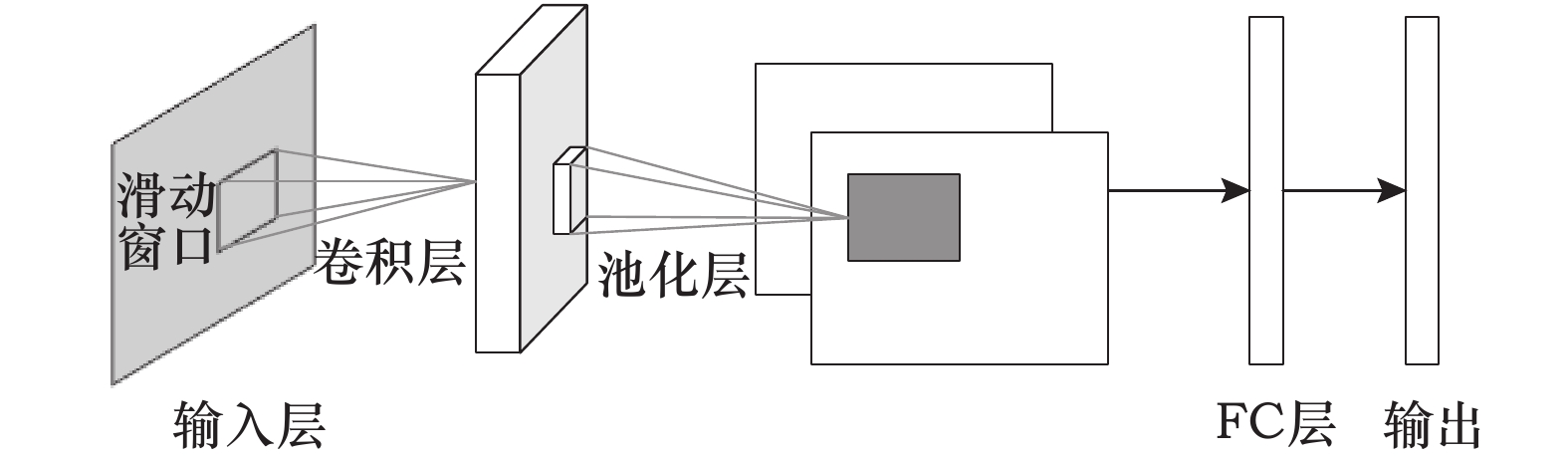
Fig.2
Overall structure of image visibility detection algorithm"
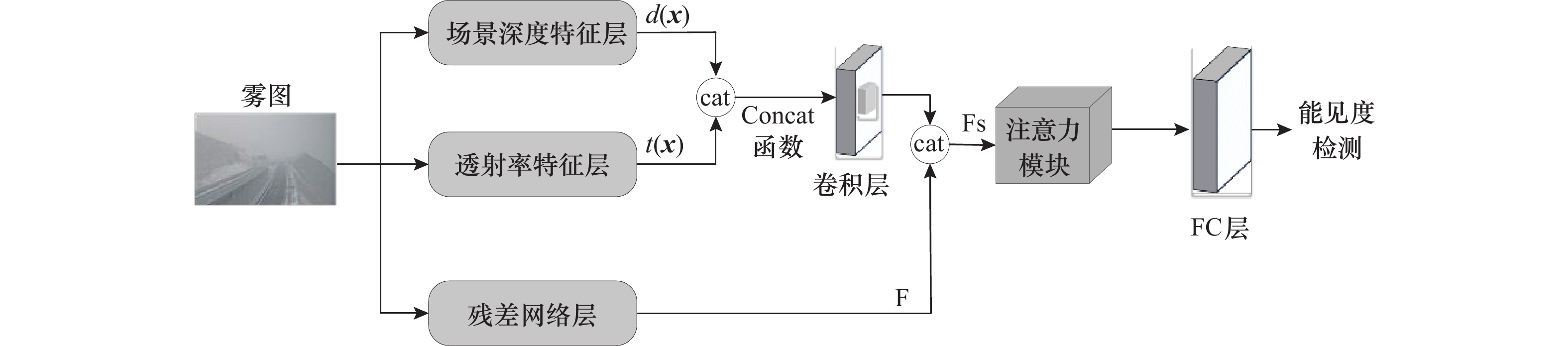
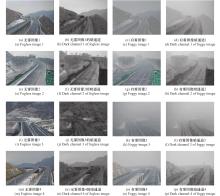
Fig.3
Dark channel of foggy and fogless images"

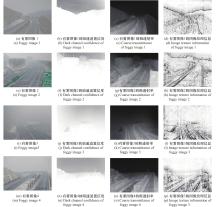
Fig.4
Process diagram of transmittance compensation operator for images of different foggy scene conditions"

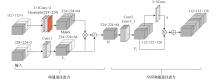
Fig.5
Dark channel assists in blending attention maps"
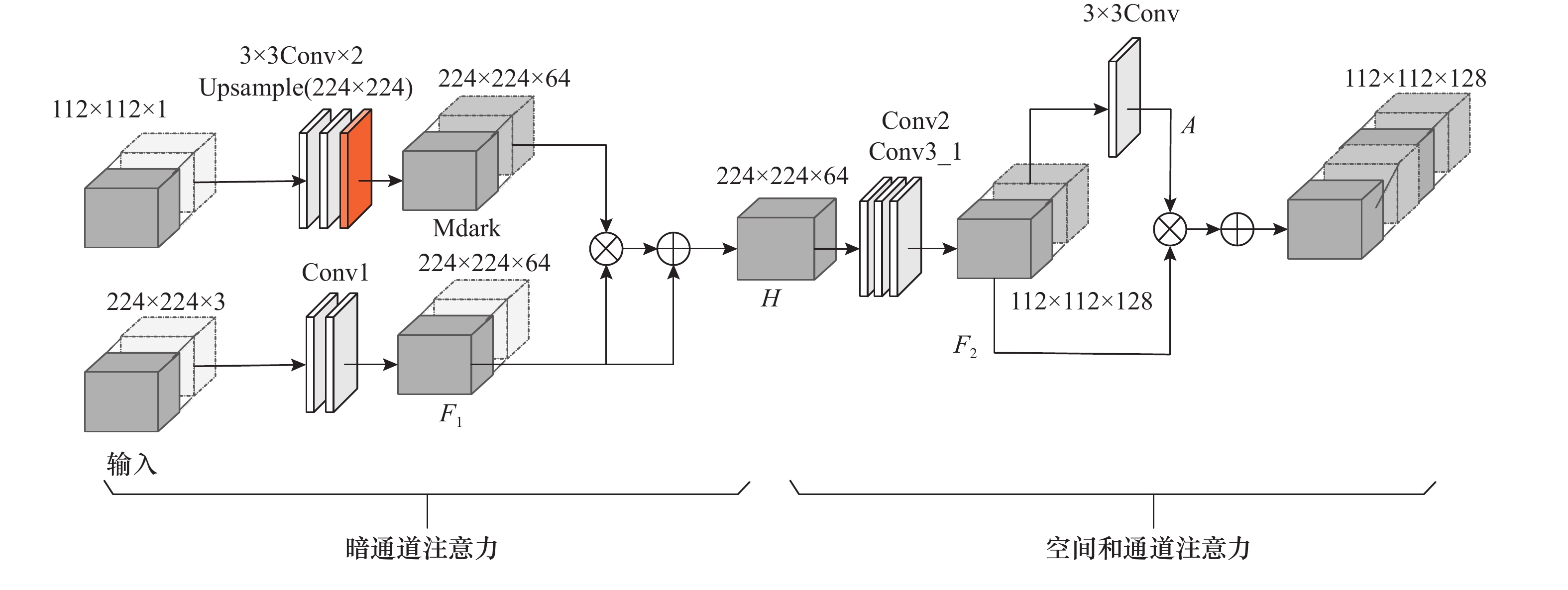
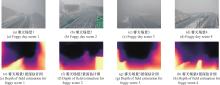
Fig.6
Foggy images and depth of field estimation images of different high-speed scene"
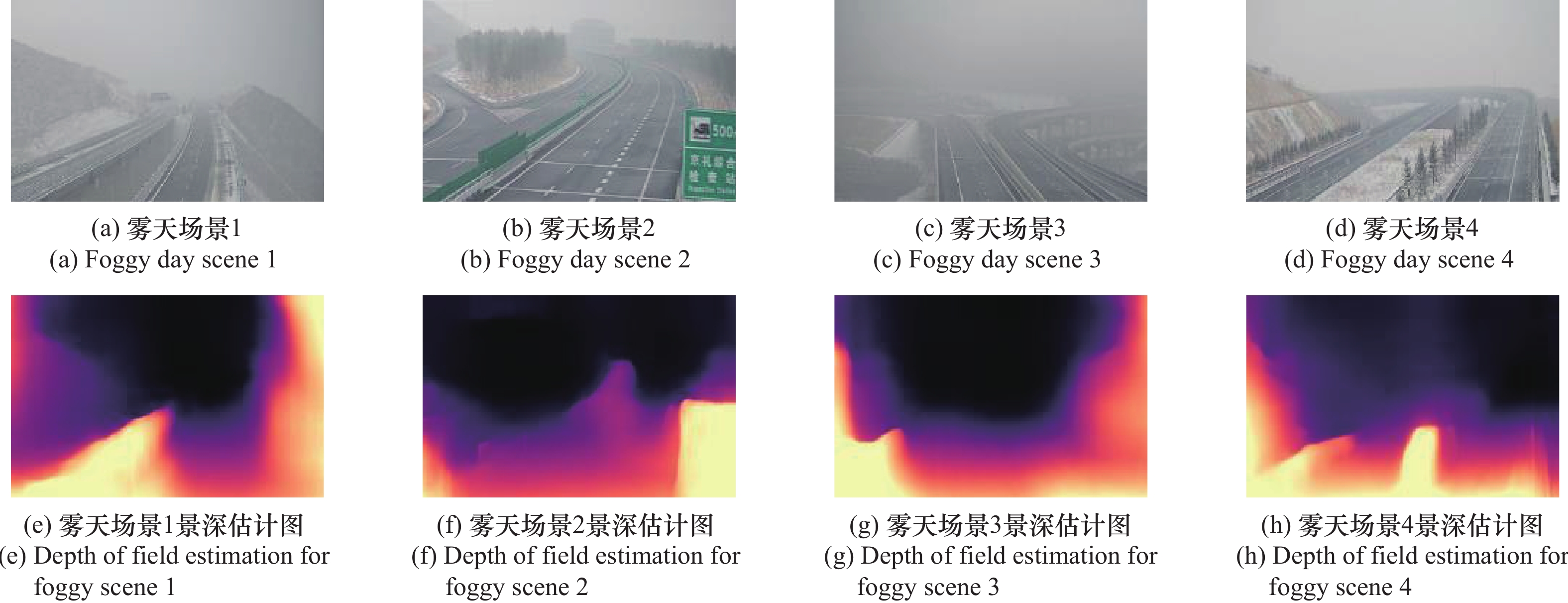
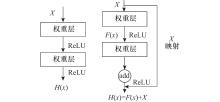
Fig.7
Basic residual units"
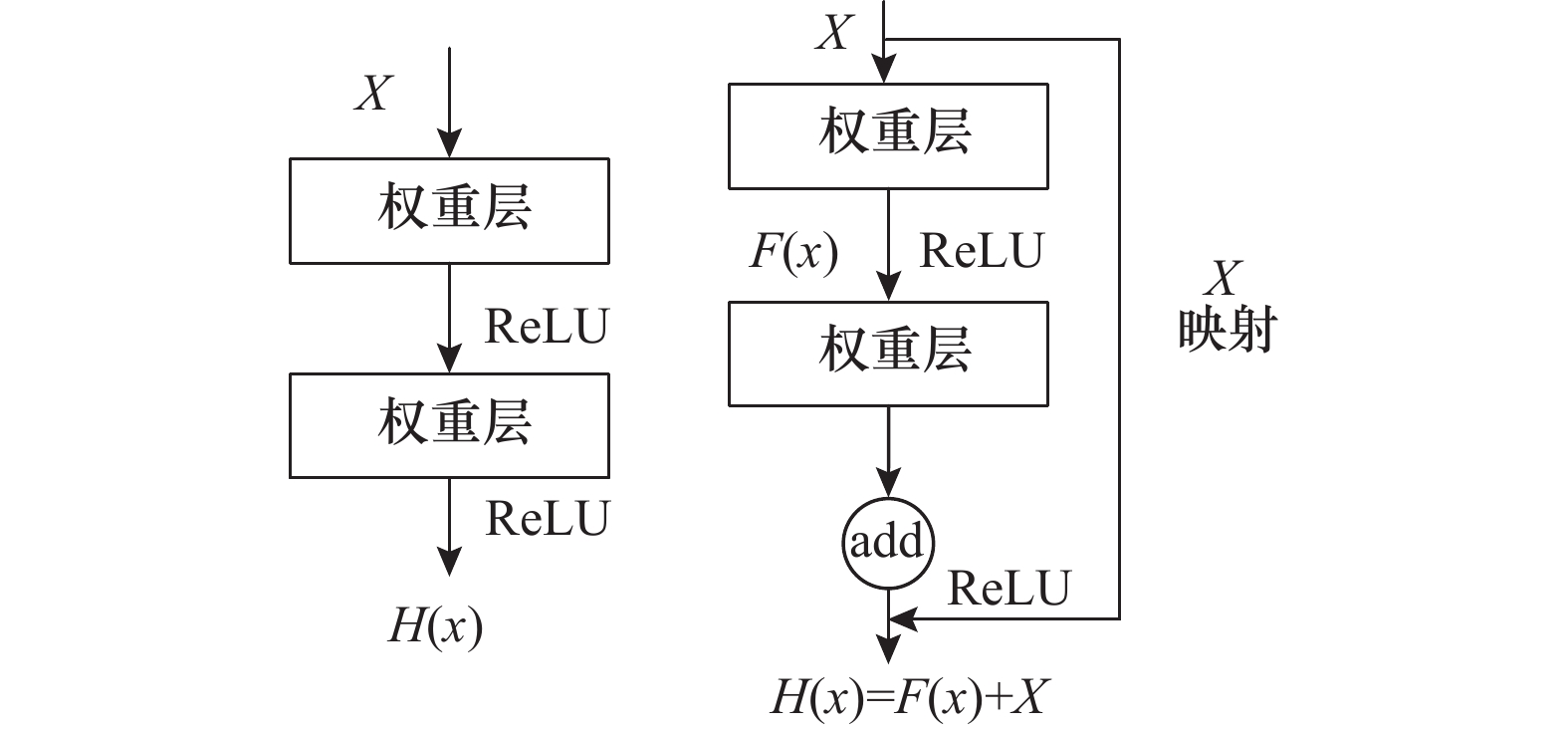
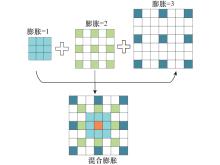
Fig.8
Schematic diagram of principle of hybrid dilated convolution"
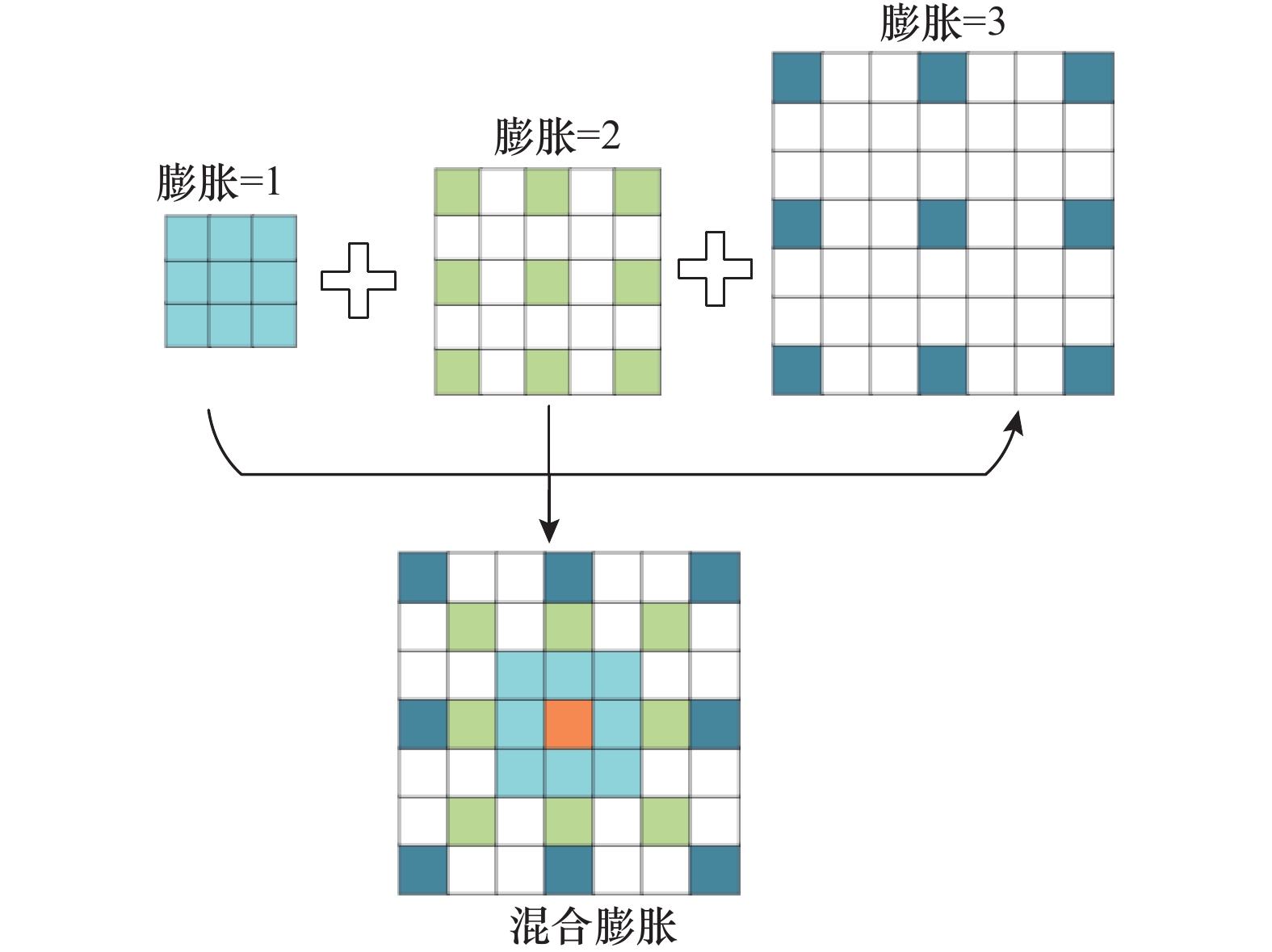
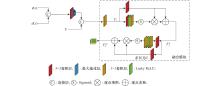
Fig.9
Schematic diagram of the integration module"
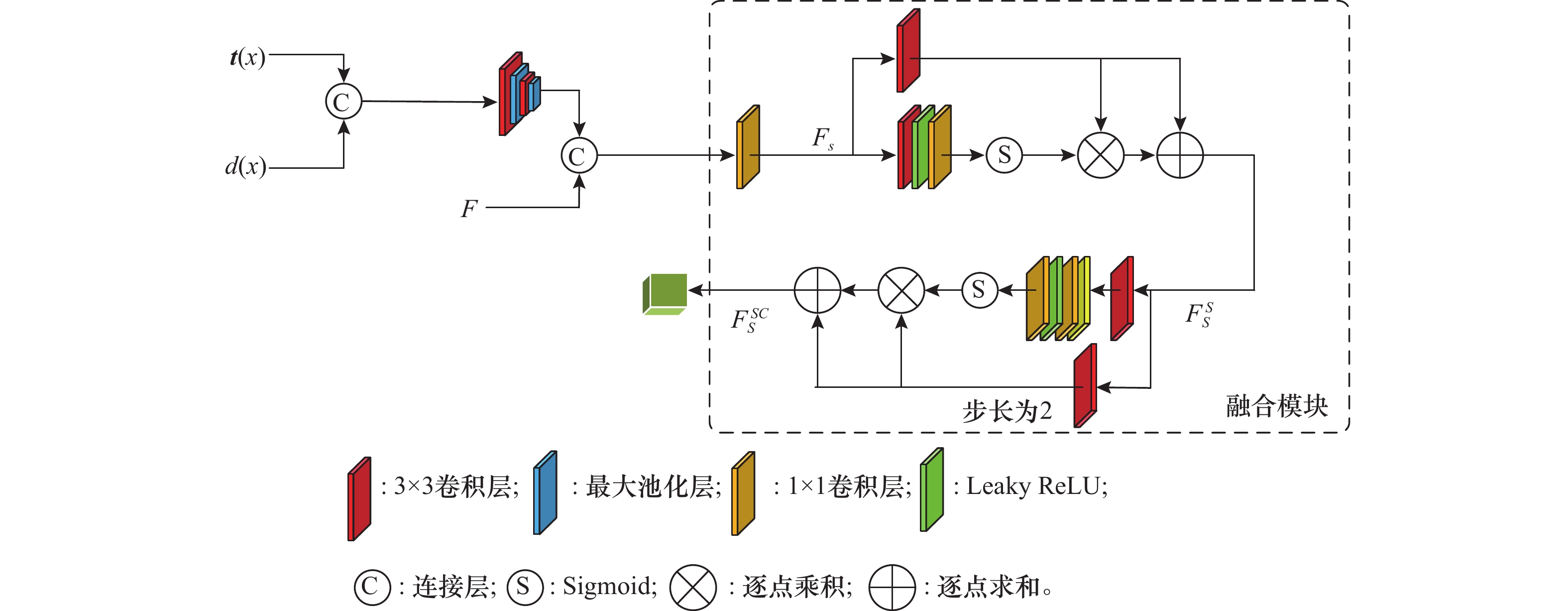

Fig.10
Visibility detection algorithm process"

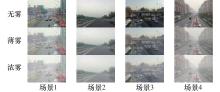
Fig.11
KITTI Dataset"
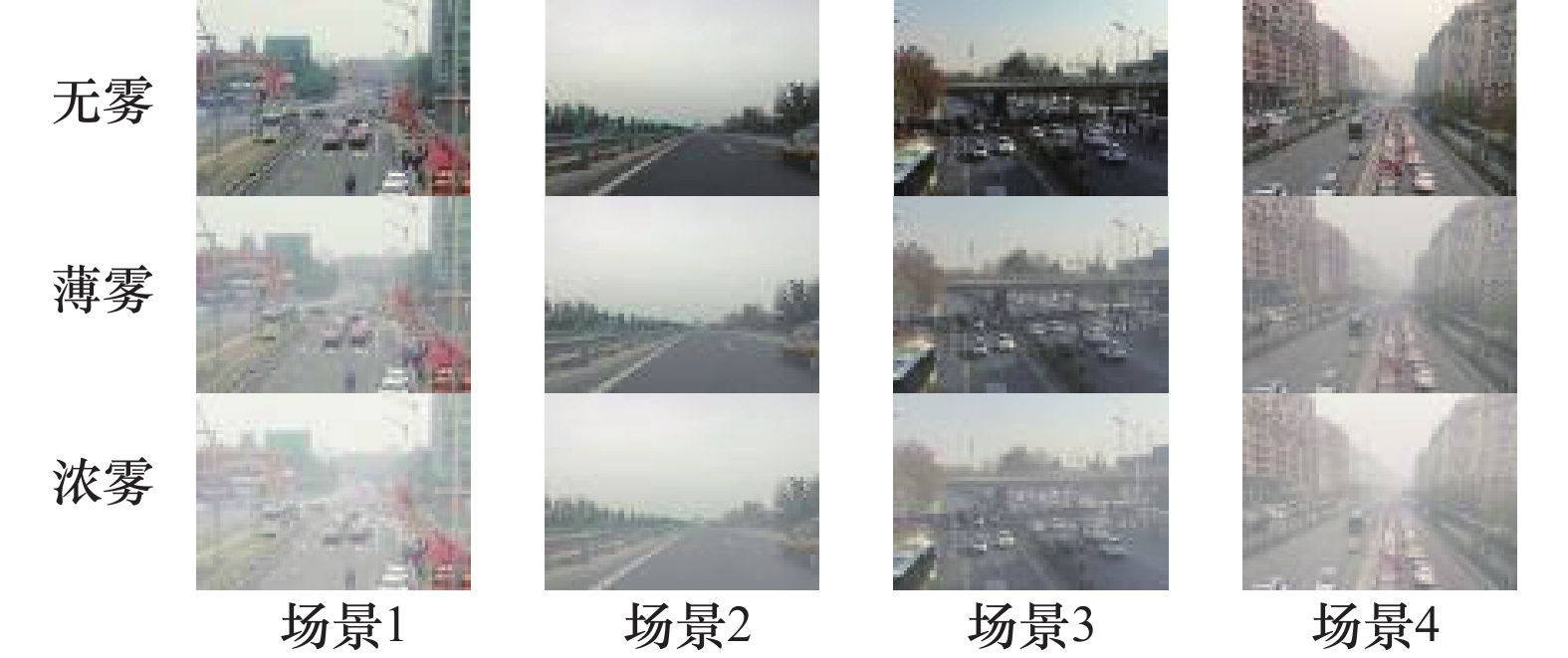
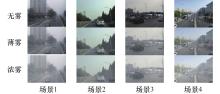
Fig.12
SOTS Dataset"
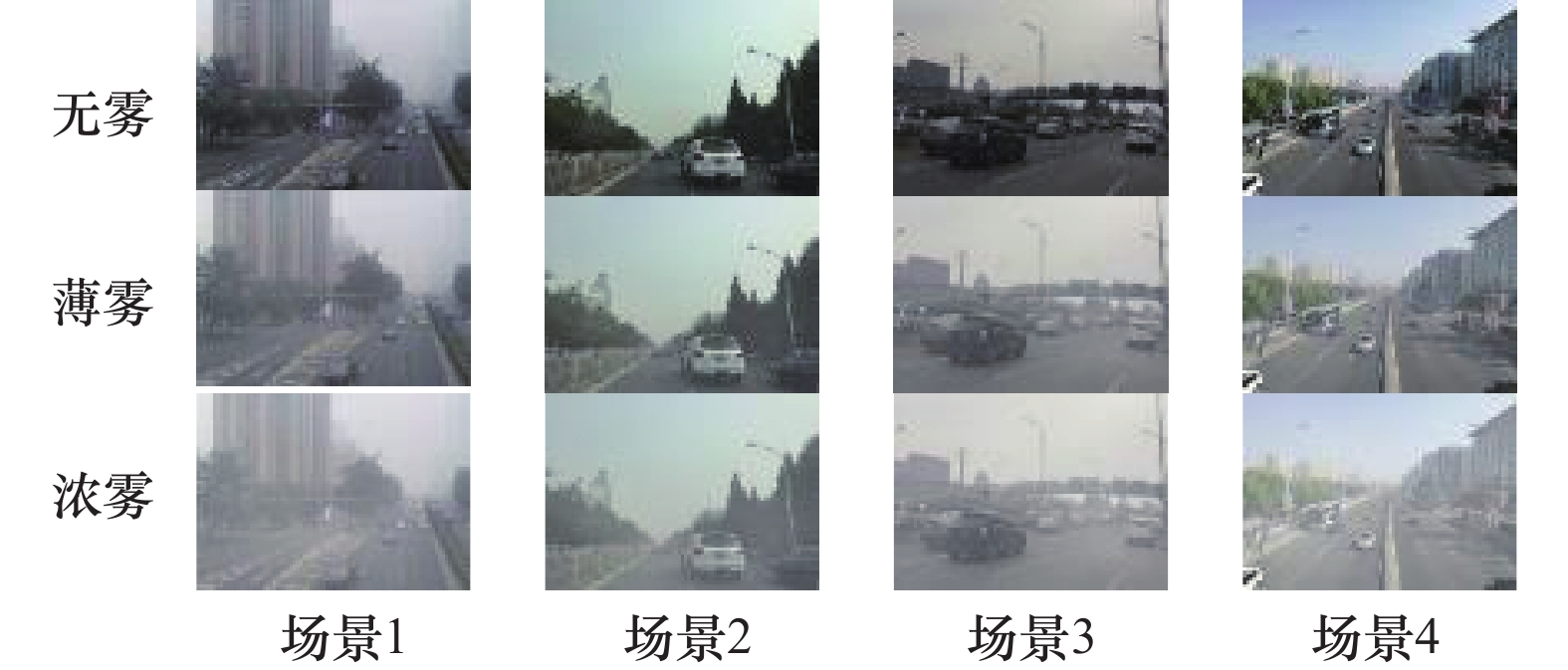
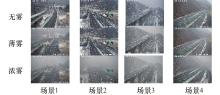
Fig.13
REDE Dataset"
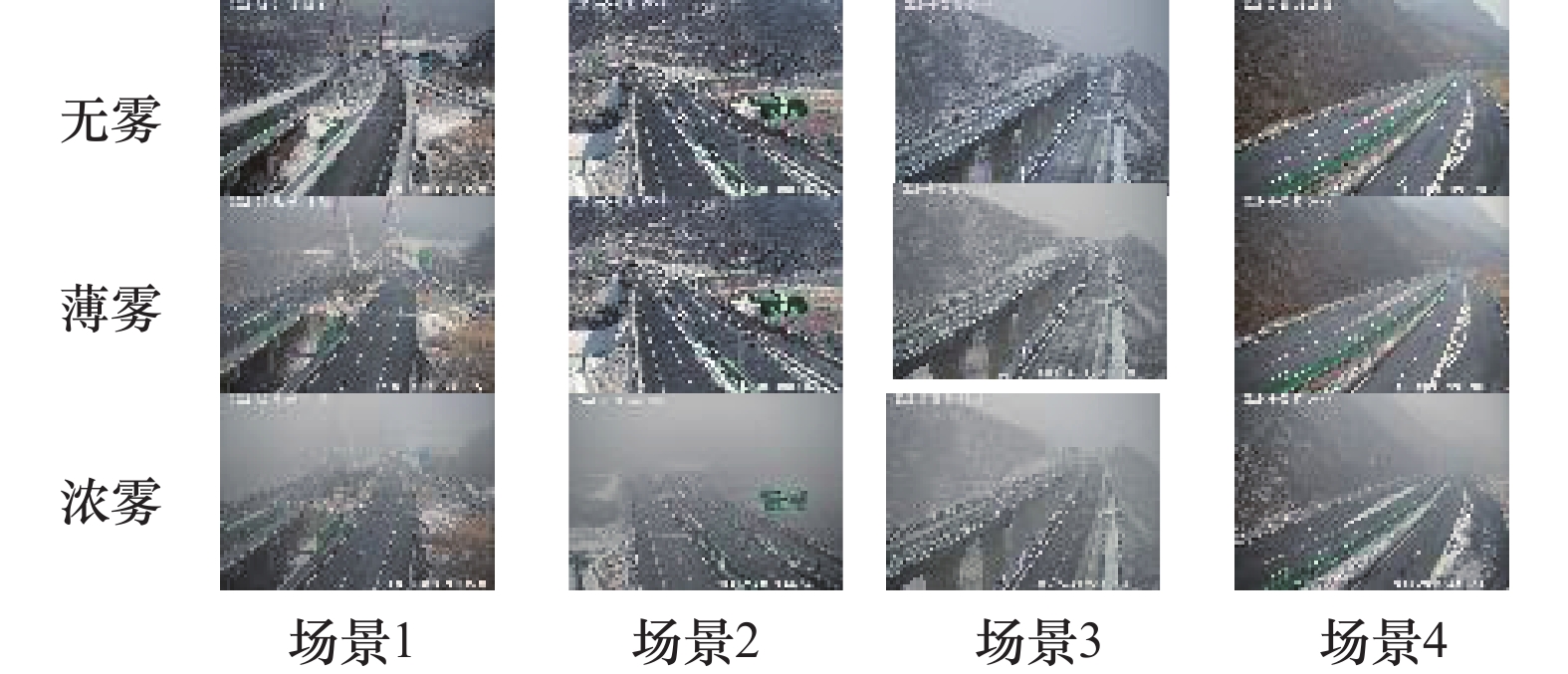
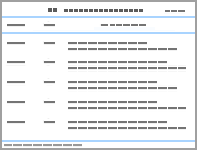
Table 1
Dataset composition"
| 数据集 | 数量 |
| KITTI | |
| SOTS | |
| REDE | 810 |
| FRIDA | 330 |
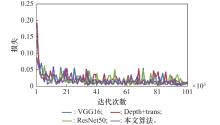
Fig.14
Loss curve diagram of different model networks training"
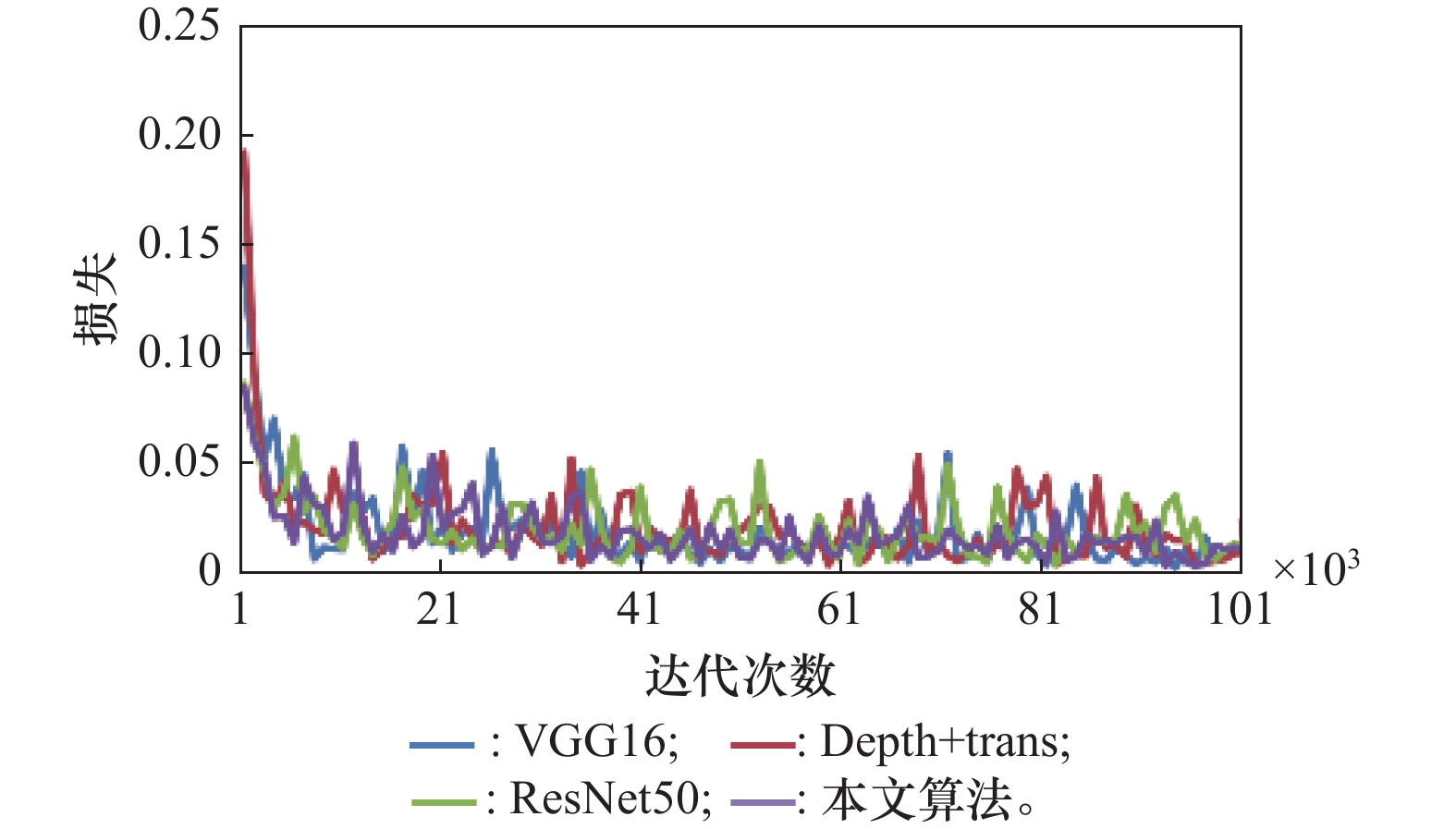
Table 2
Confusion matrix of detection accuracy for various fog levels of the proposed algorithm"
| 真实等级 | 识别等级 | |||||
| 1 | 2 | 3 | 4 | 5 | 6 | |
| 1 | 0.882 | 0.117 | 0.023 | 0.002 | 0.001 | |
| 2 | 0.089 | 0.861 | 0.055 | 0.003 | 0.001 | |
| 3 | 0.007 | 0.087 | 0.881 | 0.004 | 0.002 | |
| 4 | 0.005 | 0.023 | 0.054 | 0.043 | 0.021 | |
| 5 | 0.003 | 0.011 | 0.021 | 0.823 | 0.063 | |
| 6 | 0.001 | 0.003 | 0.032 | 0.085 | 0.843 | |
Fig.15
Comparison of the detection results of high-speed road section and the visibility meter"
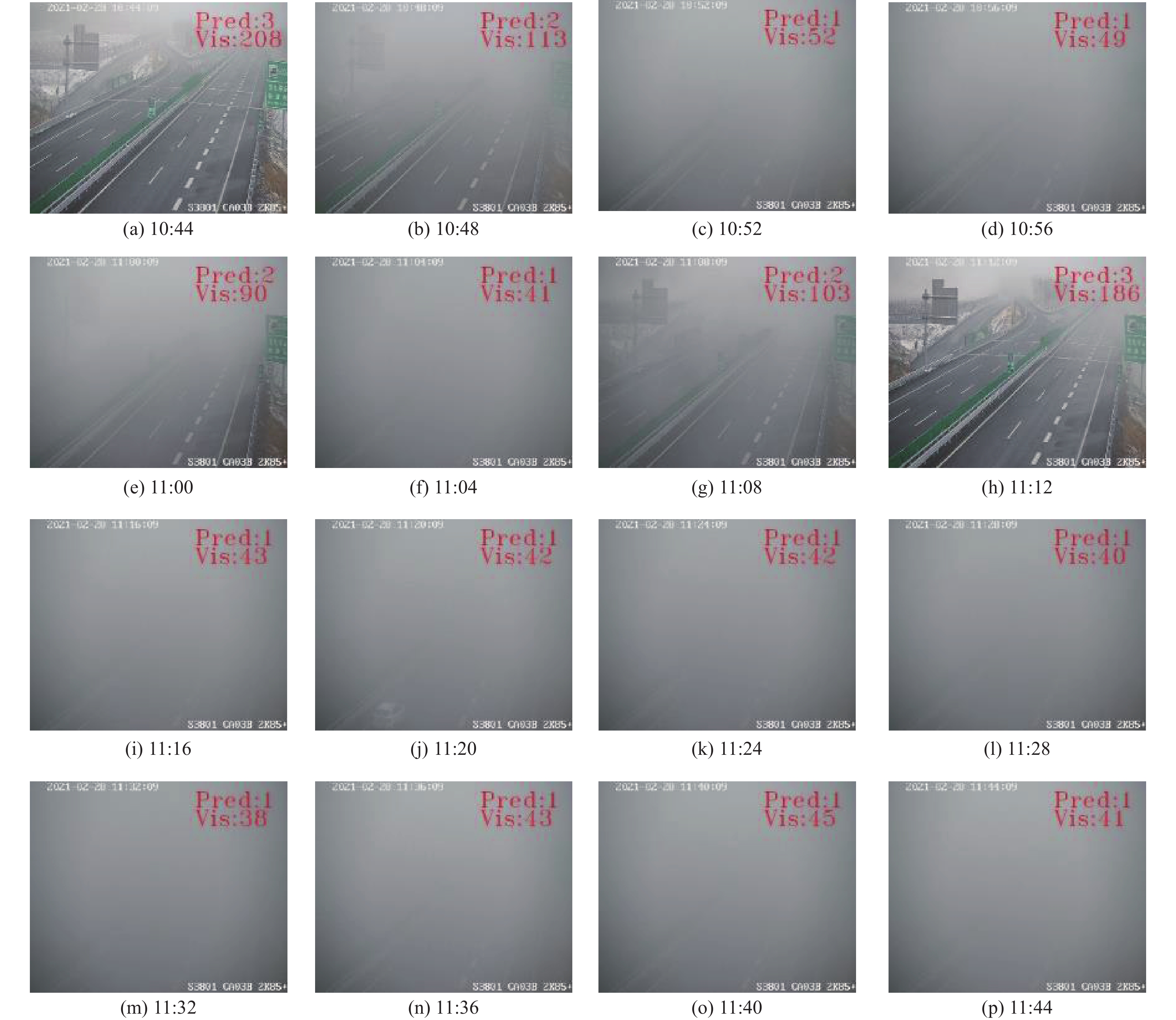
Table 3
Detection accuracy rates of each algorithms on different datasets %"
| 算法 | FRIDA 数据集 | KITTI 数据集 | SOTS 数据集 | 高速 数据集 |
| VGG16 | 93.12 | 92.11 | 94.98 | 78.43 |
| depth+trans | 94.21 | 91.42 | 94.46 | 79.33 |
| ResNet50 | 98.32 | 93.52 | 98.78 | 87.33 |
| 本文算法 | 99.12 | 96.12 | 99.46 | 89.43 |
Fig.16
Comparison of visibility detection results of different algorithms"

| 1 | 李欣雨, 李晓雷, 詹银霞, 等. 基于视觉信息熵的高速公路雾区诱导研究综述[J]. 公路, 2024, 69 (8): 295- 306. |
| LI X Y, LI X L, ZHAN Y X, et al. A review of the research on fog area induction of highway based on visual information entropy[J]. Highway, 2024, 69 (8): 295- 306. | |
| 2 |
周俊, 买买提江·吐尔逊. 基于支持向量机回归的道路能见度检测[J]. 现代电子技术, 2024, 47 (23): 154- 158.
doi: 10.16652/j.issn.1004-373x.2024.23.023 |
|
ZHOU J, TURSUN M. Road visibility detection based on support vector machine regression[J]. Modern Electronic Technology, 2024, 47 (23): 154- 158.
doi: 10.16652/j.issn.1004-373x.2024.23.023 |
|
| 3 | ZHANG K K, ZHENG X Y, YAN X K, et al. Research on visibility detection based on forward scattering technology[C]//Proc. of the Advanced Sensor Systems and Applications IX, 2019. |
| 4 | 韦金阳, 王科平, 杨艺, 等. 基于多重迁移注意力的增量式图像去雾算法[J]. 系统仿真学报, 2024, 36 (4): 969- 980. |
| WEI J Y, WANG K P, YANG Y, et al. Incremental image dehazing algorithm based on multiple transfer attention[J]. Journal of System Simulation, 2024, 36 (4): 969- 980. | |
| 5 | 刘万军, 程裕茜, 曲海成. 基于生成对抗网络的图像自增强去雾算法[J]. 系统仿真学报, 2024, 36 (5): 1093- 1106. |
| LIU W J, CHENG Y Q, QU H C. Image self-enhanced dehazing algorithm based on generative adversarial network[J]. Journal of System Simulation, 2024, 36 (5): 1093- 1106. | |
| 6 |
PALVANOV A, CHO Y I. Visnet: deep convolutional neural networks for forecasting atmospheric visi bility[J]. Sensors, 2019, 19 (6): 1343- 1354.
doi: 10.3390/s19061343 |
| 7 |
MCCARTNEY E J. Optics of the atmosphere: scattering by molecules and particles[J]. Optica Acta International Journal of Optics, 1977, 24 (7): 779- 779.
doi: 10.1126/science.196.4294.1084.b |
| 8 | THOMPSON J L, PHUNG S L, BOUZERDOUM A. D-Net: a generalised and optimised deep network for monocular depth estimation[J]. IEEE Access, 2021, 9, 134543- 134555. |
| 9 | KOSCHMIEDER H, Theorie der horizontalen sichtweite[J]. Beitrage Zur Physik Der Freien Atmosphare, 1924: 33−53. |
| 10 |
DUNTLEY S Q. The visibility of distant objects[J]. Journal of the Optical Society of America, 1948, 38 (3): 237- 249.
doi: 10.1364/JOSA.38.000237 |
| 11 | GIYENKO A, PALVANOV A, CHO Y. Application of convolutional neural networks for visibility estimation of CCTV images[C]//Proc. of the International Conference on Information Networking, 2018: 875−879. |
| 12 | WU J , WU X , GUO R X, et al. Enhancing water mist environment image visibility using an improved dark channel prior and polarimetric imaging method[J]. Optics Communications, 2025, 590: 132016. |
| 13 | HE K M, SUN J, TANG X O. Single image haze removal using dark channel prior[J]. IEEE Trans. on Pattern Analysis and Machine Intelligence, 2009, 33 (12): 2341- 2353. |
| 14 |
FENG P W, WEI X W. Road extraction using modified dark channel prior and neighborhood FCM in foggy aerial images[J]. Multimedia Tools and Applications, 2019, 78 (1): 947- 964.
doi: 10.1007/s11042-018-5962-0 |
| 15 | SONG H , LIU N . Research and analysis of dark channel priori dehazing algorithm based on guided filtering[J]. Frontiers in Computing and Intelligent Systems, 2024, 7(2): 6−10. |
| 16 | CAI B L , XU X M, JIA K , et al. DehazeNet: an end-to-end system for single imagehaze removal[J]. IEEE Trans. on Image Processing, 2016, 25(11): 5187−5198. |
| 17 | YANG Z L, LIU B , BI X L, et al. D-Net: a dual-encoder network for image splicing forgery detection and localization[J]. Pattern Recognition, 2024, 155: 110727. |
| 18 | YANG S, SUN Z Y, JIANG Q, et al. A mixed transmission estimation iterative method for single image dehazing[J]. IEEE Access, 2021, 9 (1): 63685- 63699. |
| 19 |
ZHANG L B, WANG S, WANG X H. Single image dehazing based on bright channel prior model and saliency analysis strategy[J]. IET Image Processing, 2021, 15 (5): 1023- 1031.
doi: 10.1049/ipr2.12082 |
| 20 | SALAZAR C S, MOYA S E U, ARREGUIN J M R, et al. Fast single image defogging with robust sky detection[J]. IEEE Access, 2020, 99 (8): 149176- 149189. |
| 21 | DONG H, PAN J S, XIANG L, et al. Multi-scale boosted dehazing network with dense feature fusion[C]//Proc. of the IEEE/CVF Conference on Computer Vision and Pattern Recognition, 2020: 2154−2164. |
| 22 | XIE B, YANG J X, SHEN J H, et al. Image defogging method combining light field depth estimation and dark channel[C]//Proc. of the IEEE International Conference on Consumer Electronics and Computer Engineering, 2021: 745−749. |
| 23 |
ZHU Q S, MAI J M, SHAO L. A fast single image haze removal algorithm using color attenuation prior[J]. Digital Signal Processing, 2022, 24 (11): 3522- 3533.
doi: 10.1109/TIP.2015.2446191 |
| 24 |
XIAO L G, HANG Y H, ZHENG W W, et al. Dark-channel based attention and classifier retraining for smoke detection in foggy environments[J]. Digital Signal Processing, 2022, 9 (1): 63685- 63699.
doi: 10.1016/j.sigpro.2022.108872 |
| 25 | 孙景荣, 陈哲哲, 谢林昌, 等. 基于图像天空区域分割的去雾算法[J]. 系统工程与电子技术, 2023, 45(6): 1606−1615. |
| SUN J R, CHEN Z Z, XIE L C, et al. Haze removal algorithm based on image sky region segmentation[J]. Systems Engineering and Electronics, 2023, 45(6): 1606−1615. | |
| 26 | HORE A, ZIOU D. Image quality metrics: PSNR vs. SSIM[C]//Proc. of the International Conference on Pattern Recognition, 2010: 2366−2369. |
| 27 | HERMAN R G, SCHUMACHER S R. Using reforecasts to improve forecasting of fog and visibility for aviation[J]. Weather and Forecasting, 2016, 31 (2): 467- 482. |
| 28 | HE K M, ZHANG X Y, REN S Q, et al. Deep residual learning for image recognition[C]//Proc. of the IEEE Conference on Computer Vision and Pattern Recognition, 2016: 770−778. |
| 29 | GEIGER A, LENZ P, STILLER C, et al. Vision meets robotics: the KITTI dataset[J]. The International Journal of Robotics Research, 2013, 32 (11): 1231- 1237. |
| 30 | LI B Y, REN W Q, FU, D P, et al. RESIDE: a benchmark for single image dehazing[EB/OL].[2025-01-18] https://arxiv.org/pdf/1712.04143. |
| 31 | KHUDHAIR T A, MAOLOOD T A, GBASHI K E. Symmetric keys for lightweight encryption algorithms using a pre–trained VGG16 Model[J]. Telecom, 2024, 5 (3): 892- 906. |
| 32 | SARSHAR T N, SADEGHI S, KAMSARI M, et al. Advancing brain MRI image classification: integrating VGG16 and ResNet50 with a multi-verse optimizationmethod[J]. BioMed, 2024, 4 (4): 499- 523. |
| [1] | Mingyu JIANG, Shunsheng ZHANG, Siyao XIAO. SAR target recognition based on lightweight cross-attention convolutional neural network [J]. Systems Engineering and Electronics, 2025, 47(9): 2853-2861. |
| [2] | Wenjie CHEN, Pu ZHANG, Gaoxiang SHI, Lin LIU, Xuan LIU. Blind recognition of LDPC codes based on the convolutional neural network with cosine check relationship [J]. Systems Engineering and Electronics, 2025, 47(9): 3117-3125. |
| [3] | Amin DUAN, Zhaohui ZHANG. Quadratic decomposition-based cellular traffic prediction with hybrid neural network [J]. Systems Engineering and Electronics, 2025, 47(5): 1687-1697. |
| [4] | Yingjie SHI, Dongdong ZHOU, Tairan LEI, San’ao HUANG, Ke XU. Optimized longitudinal wave EMAT for non-contact pipeline liquid level monitoring [J]. Systems Engineering and Electronics, 2025, 47(11): 3531-3542. |
| [5] | Lei YU, Qiuyue DENG, Liying ZHENG, Haoyu WU. Second-order progressive feature fusion network for image super-resolution reconstruction [J]. Systems Engineering and Electronics, 2024, 46(2): 391-400. |
| [6] | Ran JI, Maosen XIAO, Shuo LI, Yu LIU, Zhanyi LUO, Jiawei CHENG. Research on MRTD objective testing method based on machine learning [J]. Systems Engineering and Electronics, 2024, 46(10): 3265-3270. |
| [7] | Yanyan HUANG, Shaoyan GAI, Feipeng DA. Image matching algorithm based on attention mechanism of three branch spatial transformation [J]. Systems Engineering and Electronics, 2023, 45(11): 3363-3373. |
| [8] | Caiyun WANG, Yida WU, Jianing WANG, Lu MA, Huanyue ZHAO. SAR image target recognition based on combinatorial optimization convolutional neural network [J]. Systems Engineering and Electronics, 2022, 44(8): 2483-2487. |
| [9] | Dong CHEN, Yanwei JU. Ship object detection SAR images based on semantic segmentation [J]. Systems Engineering and Electronics, 2022, 44(4): 1195-1201. |
| [10] | Hengyan LIU, Limin ZHANG, Wenjun YAN, Zhaogen ZHONG, Qing LING, Xiaojun LIANG. LDPC decoding based on WBP-CNN algorithm [J]. Systems Engineering and Electronics, 2022, 44(3): 1030-1035. |
| [11] | Kai SHAO, Miaomiao ZHU, Guangyu WANG. Modulation recognition method based on generative adversarial andconvolutional neural network [J]. Systems Engineering and Electronics, 2022, 44(3): 1036-1043. |
| [12] | Jingming SUN, Shengkang YU, Jun SUN. Pose sensitivity analysis of HRRP recognition based on deep learning [J]. Systems Engineering and Electronics, 2022, 44(3): 802-807. |
| [13] | Xi ZHANG, Zhengmeng JIN, Yaqin JIANG. Total variation algorithm with depth image priors for image colorization [J]. Systems Engineering and Electronics, 2022, 44(2): 385-393. |
| [14] | Qinzhe LYU, Yinghui QUAN, Minghui SHA, Shuxian DONG, Mengdao XING. Ensemble deep learning-based intelligent classification of active jamming [J]. Systems Engineering and Electronics, 2022, 44(12): 3595-3602. |
| [15] | Bo DAN, Zhequan FU, Shan GAO, Tao JIAN. Full-polarization high resolution range profile recognition technology for sea surface target based on convolutional neural network [J]. Systems Engineering and Electronics, 2022, 44(1): 108-116. |
| Viewed | ||||||
|
Full text |
|
|||||
|
Abstract |
|
|||||